
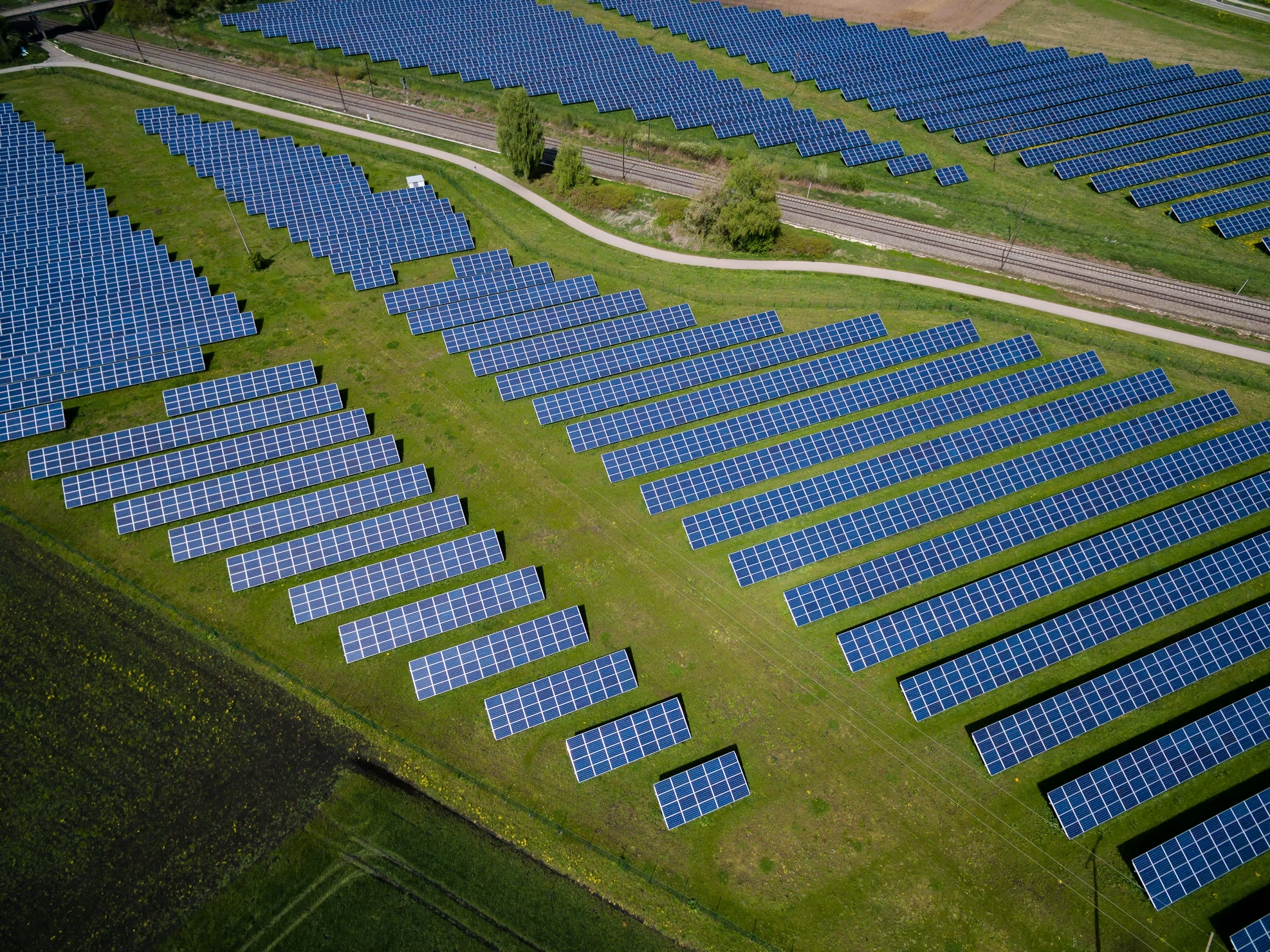
Australia’s coastline stretches over 25,000 kilometers, home to some of the world’s most diverse and vulnerable marine ecosystems. From the Great Barrier Reef to the pristine beaches of Western Australia, these environments face increasing threats from climate change, pollution, and development. As coastal communities seek sustainable solutions, solar energy has emerged as a powerful tool for environmental protection and conservation. This article explores the specific environmental benefits that solar energy brings to Australia’s coastal regions.
Protecting Marine Ecosystems Through Clean Energy
Reducing Ocean Warming
Climate change-induced ocean warming poses a severe threat to Australia’s marine environments:
- Coral Reef Protection: Every kilowatt of solar power installed reduces carbon emissions that contribute to rising sea temperatures, which cause coral bleaching
- Temperature-Sensitive Species: Many marine species in Australian waters have narrow temperature tolerance ranges
- Documented Impact: A typical 6.6kW residential solar system in a coastal area prevents approximately 8.4 tonnes of CO₂ emissions annually
Preventing Ocean Acidification
The ocean absorbs about 30% of atmospheric CO₂, leading to increasing acidification:
- pH Balance: Switching to solar helps maintain the delicate pH balance of coastal waters
- Shell-Building Marine Life: Calcifying organisms like corals, mollusks, and some plankton are particularly vulnerable to acidification
- Local Impact: Coastal communities with high solar adoption create “protective bubbles” of reduced emissions around marine sanctuaries
Reducing Water Pollution
Solar energy eliminates multiple pollution pathways that affect marine environments:
- Thermal Pollution: Unlike coastal power plants, solar doesn’t require cooling water that gets returned to the ocean at higher temperatures
- Fuel Spills: Eliminating fossil fuel transport and storage near coastlines reduces risk of marine contamination
- Heavy Metals: Coal plants emit mercury and other heavy metals that eventually reach coastal waters; solar eliminates these emissions
Preserving Coastal Landscapes and Habitats
Minimizing Coastal Development Impact
Solar installations can be integrated thoughtfully into coastal environments:
- Rooftop Priority: Utilizing existing rooftop space in coastal towns preserves natural areas
- Dual-Use Installations: Solar carports in beach parking areas provide shade while generating power
- Habitat-Friendly Solar: Ground-mounted systems in coastal areas can be designed with native vegetation and wildlife corridors
Protecting Sensitive Coastal Vegetation
Coastal vegetation plays a critical role in ecosystem health:
- Reduced Land Clearing: Clean energy eliminates the need for fossil fuel extraction in sensitive coastal areas
- Dune Preservation: Well-planned solar development avoids impact on dune systems that protect coastlines
- Native Plantings: Many coastal solar installations incorporate native salt-tolerant species that support local biodiversity
Case Study: Coastal Solar Integration in Noosa, Queensland
The Noosa Solar Initiative demonstrates thoughtful coastal implementation:
- Solar installations on public buildings and businesses generate 1.2MW of clean power
- Native vegetation buffers around ground-mounted systems support local bird species
- Interpretive signage connects solar energy to reef protection, building public awareness
- Program has prevented an estimated 1,800 tonnes of CO₂ emissions annually
Building Climate Resilience in Vulnerable Coastal Areas
Protection Against Extreme Weather Events
Coastal areas are increasingly vulnerable to climate-intensified weather:
- Distributed Energy Security: Rooftop solar with battery storage provides resilience during cyclones and storms
- Reduced Infrastructure Vulnerability: Fewer transmission lines needed in storm-prone coastal regions
- Recovery Support: Solar + storage systems continue functioning when grid power is interrupted after extreme events
Addressing Sea Level Rise
Sea level rise threatens many Australian coastal communities:
- Emissions Reduction: Each solar installation contributes to mitigating the pace of sea level rise
- Adaptation Energy: Solar provides reliable power for sea level rise adaptation infrastructure like pumps and monitoring systems
- Managed Retreat Power: As some communities face relocation, solar offers portable energy options
Supporting Coastal Ecosystem Adaptation
As coastal ecosystems adapt to changing conditions:
- Research Stations: Solar powers remote marine research in the Great Barrier Reef and other sensitive areas
- Monitoring Networks: Off-grid solar enables expanded coastal ecosystem monitoring and early warning systems
- Restoration Projects: Solar-powered facilities support mangrove restoration, coral growing, and other adaptation initiatives
Improving Air Quality in Coastal Communities
Eliminating Local Emissions
Coastal air quality directly impacts both residents and marine environments:
- Particulate Reduction: Solar eliminates the fine particulates from fossil fuels that eventually settle on coastal waters
- Shipping Alternatives: Solar-electric vessels for coastal tourism reduce emissions directly over sensitive marine areas
- Health Benefits: Coastal residents experience fewer respiratory issues with improved air quality
Reducing Ground-Level Ozone
Coastal areas with high tourism can experience elevated ozone levels:
- Tourism Infrastructure: Solar-powered facilities and transportation reduce precursor emissions
- Seasonal Matching: Solar production peaks during high-tourism summer months when emissions typically increase
- Measurable Improvement: Coastal communities with high solar penetration show measurable improvements in air quality metrics
Community Engagement and Environmental Stewardship
Solar as an Educational Tool
Solar installations serve as powerful educational platforms:
- Visible Connection: Beachside solar installations create visible links between energy choices and ocean protection
- Coastal Learning Centers: Solar-powered marine education centers demonstrate sustainability principles
- School Programs: Solar installations at coastal schools incorporate marine conservation into curriculum
Tourism Benefits
Australia’s coastal tourism industry benefits from solar adoption:
- Eco-Tourism Appeal: Solar-powered coastal accommodations attract environmentally conscious visitors
- Reef-Safe Operations: Tour operators using solar demonstrate commitment to protecting the attractions they showcase
- Marketing Value: “Powered by the sun, protecting the reef” messaging resonates with visitors
Community Ownership Models
Coastal communities are pioneering shared solar approaches:
- Community Solar Gardens: Allow apartment dwellers and renters in coastal areas to participate in solar benefits
- Indigenous-Led Projects: Aboriginal coastal communities implementing solar as part of sea country protection
- Resilience Hubs: Community-owned solar + storage systems providing emergency power during increasingly frequent coastal disasters
Quantifying Environmental Impact in Coastal Contexts
Marine Conservation Return on Investment
Solar installations deliver specific marine conservation benefits:
- Carbon Reduction per Reef Area: Each megawatt of coastal solar helps protect approximately 25 hectares of reef from warming
- Plastic Reduction: Solar-powered water refill stations at beaches have eliminated millions of single-use plastic bottles
- Fisher Participation: Commercial fishing operations with solar see 40-60% fuel reduction, lowering marine pollution
Long-Term Ecosystem Protection Value
The cumulative effect of coastal solar adoption is substantial:
- Emissions Avoidance: Coastal communities transitioning to 50%+ solar reduce emissions by approximately 15-20 tonnes per household annually
- Marine Sanctuary Effect: Creates protective buffer zones with reduced emissions around marine protected areas
- Coastal Carbon Sequestration: Healthy marine ecosystems protected by reduced emissions sequester more carbon, creating a positive feedback loop
Conclusion
For Australia’s coastal communities, solar energy represents far more than just cheaper electricity - it’s a tangible way to protect the irreplaceable marine environments that define their identities and support their economies. As climate change impacts intensify, the environmental benefits of transitioning coastal regions to solar power become even more critical.
From reducing ocean warming and acidification to building community resilience and supporting ecosystem adaptation, solar energy offers a powerful set of solutions for coastal environmental challenges. Each solar panel installed along Australia’s coastline represents a small but meaningful contribution to preserving these precious ecosystems for future generations.
If you live in a coastal community, your decision to go solar has amplified environmental benefits. Contact us to learn more about solar solutions specifically designed for coastal environments, including salt-resistant components and systems optimized for the unique conditions of Australia’s shoreline communities.