
This Red Energy review covers the retailer’s plans in Victoria, New South Wales, south-east Queensland, South Australia and the ACT as at November 2026. Red Energy (owned by Snowy Hydro) charges 6% to 19% less than the regulator’s default market offer on its standard single rate plan, but pays only 1c to 2.5c per kWh for solar exports on that plan. It suits households that import most of their power; heavy exporters can earn more elsewhere. Red Energy holds 2.6 stars from 1,414 reviews on ProductReview.com.au (November 2026). This is independent desk research; Red Energy was not contacted and did not pay.
Key facts
- Red Energy Pty Limited (ABN 60 107 479 372) is an electricity and gas retailer that ABN Lookup shows active since 16 January 2004, checked November 2026.
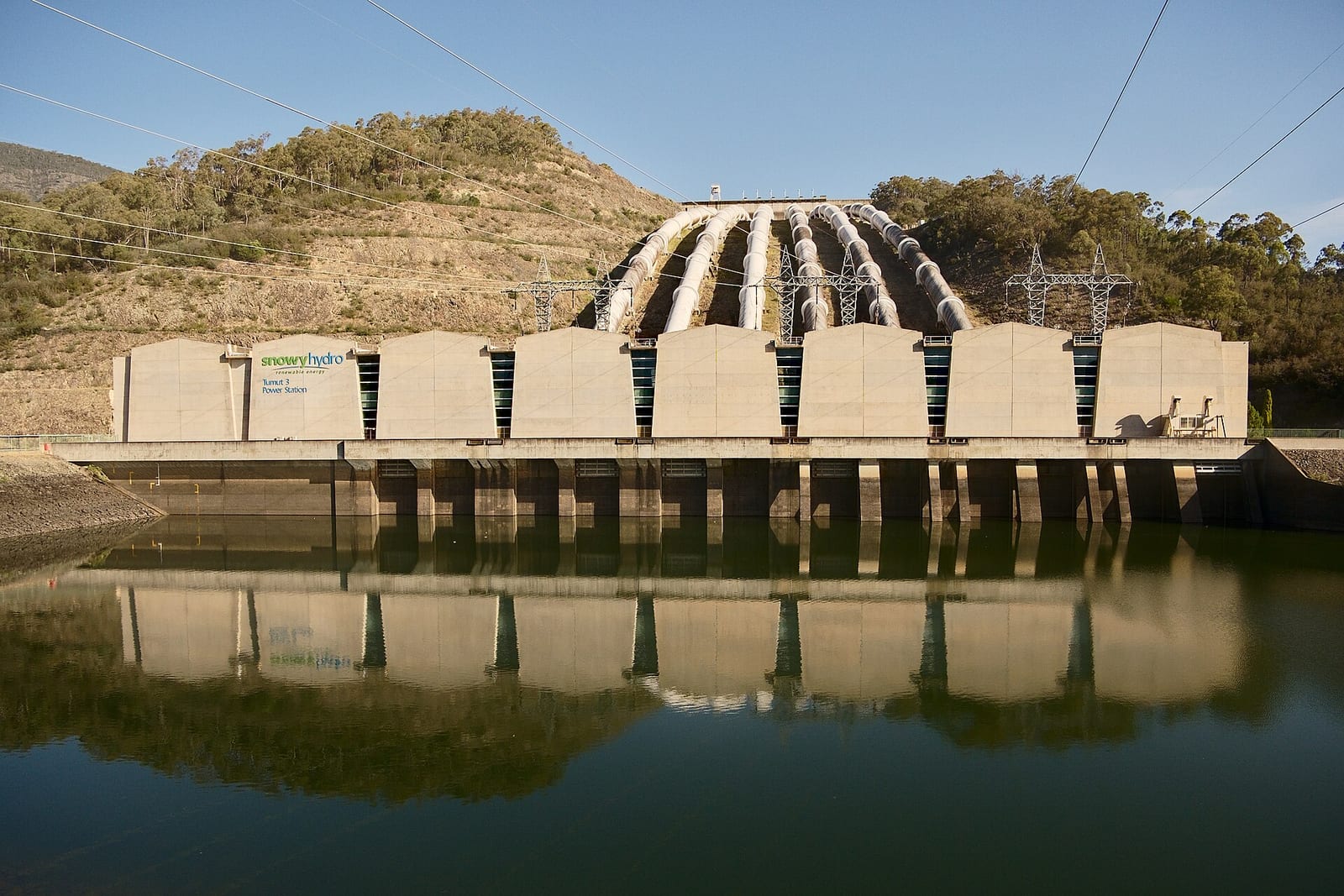
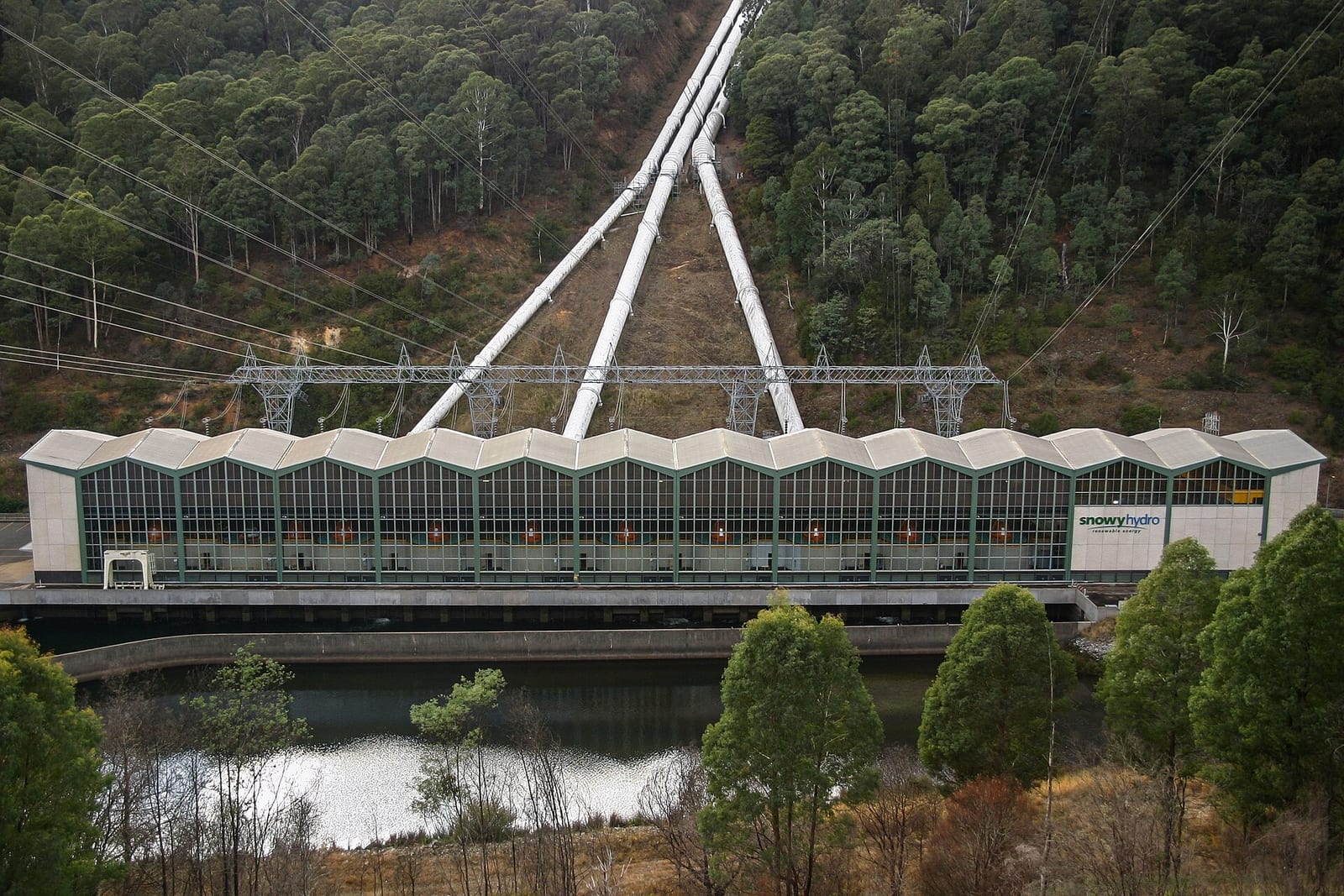
- Red Energy is a subsidiary of Snowy Hydro, which also owns Lumo Energy, according to Wikipedia’s Snowy Hydro entry checked November 2026.
- Red Energy’s Living Energy Saver single rate on the Ausgrid network charges 28.12c per kWh and 134.75c a day including GST, about 16% below the Default Market Offer annual price for a 3,900 kWh home (Solar Cobber calculation, November 2026).
- Red Energy’s Living Energy Solar Saver in Queensland’s Energex network pays 5c per kWh for exports, while its Living Energy Saver pays 1c, according to AER Energy Made Easy product data read 14 November 2026.
- Red Energy’s Red Power5 plan in the Energex network gives the first 15 kWh a day between 11am and 4pm for free, and its Victorian Power5 plans pay 0c for exports.
- Red Energy had no plan named for electric vehicles in the AER data read on 14 November 2026.
- The Essential Services Commission reported Red Energy paid $254,436 in penalties over incorrect “best offer” bill messages sent to 30,982 Victorian customers in 2022.
How Red Energy works
Red Energy is a conventional retailer. You pay a daily supply charge plus a usage rate, with no listed exit fee and an ongoing contract on the plans we read. Rates come from the Australian Energy Regulator’s Energy Made Easy product data (Consumer Data Right), read 14 November 2026. Red Energy’s own website blocks automated access, so we did not use it.
All Red Energy rates in that data are GST exclusive. We checked this: Red Energy’s Energex Solar Saver supply charge of $1.7455 a day equals the AER’s 2026-27 default market offer cap (192.0159c inclusive) divided by 1.1. Every rate below is multiplied by 1.1 to match a bill. For Victoria the data does not state GST, so we applied the same assumption; read the Victorian comparison as indicative.
| Plan family | What it is | Network coverage in the data |
|---|---|---|
| Living Energy Saver | Everyday single rate, time of use and demand tariffs, no joining incentive | Vic, NSW, SE Qld, SA, ACT |
| Qantas Red Saver | Same rates as Living Energy Saver plus Qantas Points | Same |
| Living Energy Solar Saver, Qantas Red Solar Saver | For net metered solar homes, 5c flat feed-in | Energex (SE Qld) only |
| Red Power5 | 15 kWh a day free from 11am to 4pm | Energex and Victoria |
Qantas Red Saver listings offer 10,000 bonus Qantas Points when the first bill is paid in full, plus 2 or 3 points per $1 paid on time, for new customers who are Qantas Frequent Flyer members. The usage and supply rates match Living Energy Saver, so the points are the only difference.
Red Energy prices against the regulator’s default offers
A typical home on Red Energy’s single rate plan pays less than the regulated default in every network we checked. The Default Market Offer (DMO) is the AER’s price ceiling for standing offers in NSW, south-east Queensland and South Australia; the Victorian Default Offer (VDO) is Victoria’s equivalent. See our default offer guide.
- Red Energy Living Energy Saver
- Default Market Offer
Source: AER Energy Made Easy product data, read 14 November 2026; AER Default Market Offer 2026-27 final determination. Solar Cobber calculation: (daily supply x 365 + usage rate x kWh) x 1.1.
View the data as a table
| Red Energy Living Energy Saver | Default Market Offer | |
|---|---|---|
| Ausgrid | A$1,588 | A$1,899 |
| Endeavour | A$2,013 | A$2,328 |
| Energex | A$1,875 | A$1,988 |
| Essential Energy | A$2,109 | A$2,604 |
| SA Power Networks | A$2,109 | A$2,334 |
Red Energy’s single rate plan costs 5.7% less than the default in Energex’s area and 19.0% less in Essential Energy’s area.
| Network | Supply (c/day, inc GST) | Usage (c/kWh, inc GST) | Standard flat feed-in (c/kWh) | Annual cost | DMO or VDO | Difference |
|---|---|---|---|---|---|---|
| Ausgrid (NSW) | 134.75 | 28.12 | 2.5 | $1,588 | $1,899 | -16.4% |
| Endeavour (NSW) | 154.80 | 29.55 | 2.5 | $2,013 | $2,328 | -13.5% |
| Essential Energy (NSW) | 213.40 | 28.91 | 2.5 | $2,109 | $2,604 | -19.0% |
| Energex (SE Qld) | 165.00 | 27.67 | 1.0 | $1,875 | $1,988 | -5.7% |
| SA Power Networks (SA) | 121.00 | 41.69 | 2.0 | $2,109 | $2,334 | -9.6% |
| AusNet (Vic) | 126.48 | 25.85 | 1.0 | $1,496 | $1,748 | -14.4% |
| CitiPower (Vic) | 109.78 | 23.71 | 1.0 | $1,349 | $1,481 | -8.9% |
| Jemena (Vic) | 109.84 | 23.60 | 1.0 | $1,345 | $1,563 | -14.0% |
| Powercor (Vic) | 118.80 | 23.98 | 1.0 | $1,393 | $1,633 | -14.7% |
| United Energy (Vic) | 104.28 | 23.57 | 1.0 | $1,324 | $1,529 | -13.4% |
Victorian rows assume GST exclusive rates and a 4,000 kWh year, the ESC’s typical customer. The ACT’s Evoenergy network is covered by Red Energy plans (2.5c feed-in) but has no DMO or VDO to compare with. For other retailers see cheapest electricity provider in Australia.
Red Energy for solar owners
Red Energy pays little for solar exports on its standard plans, so it suits solar homes that use most of their own power. The flat rate is 2.5c per kWh in NSW and the ACT, 2c in South Australia and 1c in Victoria and (on most plans) south-east Queensland.
- Standard flat rate
- Highest rate on a time-based or Solar Saver option
Source: AER Energy Made Easy product data (Red Energy), read 14 November 2026.
View the data as a table
| Standard flat rate | Highest rate on a time-based or Solar Saver option | |
|---|---|---|
| Endeavour (NSW) | 2.5c | 15.4c |
| Essential (NSW) | 2.5c | 15.4c |
| Ausgrid (NSW) | 2.5c | 6.7c |
| Energex (Qld) | 1.0c | 5.0c |
| Evoenergy (ACT) | 2.5c | 2.5c |
| SA Power Networks | 2.0c | 2.0c |
| Victoria | 1.0c | 1.0c |
Red Energy’s high rates apply only in short evening windows, and the 15.4c rate in Endeavour and Essential needs a time-based export tariff.
| Network | Time-based Red Energy export option |
|---|---|
| Ausgrid | 6.7c from 4pm to 9pm daily. 10am to 3pm: 2.5c on the first 6.85 kWh a day, then 1.1c. Other times 2.5c |
| Endeavour | 15.4c (Nov to Mar) or 6.3c (Apr to Oct) from 4pm to 8pm weekdays. 10am to 2pm: 2.5c on the first 8 kWh, then 0.5c |
| Essential Energy | 15.4c from 5pm to 8pm daily. 10am to 3pm: 2.5c on the first 7.5 kWh a day, then 1.6c |
| Energex | Living Energy Solar Saver and Qantas Red Solar Saver: 5c flat. Other plans 1c |
Several Energex plans also list a “government contribution” of $0.44 per kWh. That is the closed Queensland Solar Bonus Scheme legacy payment, not a rate new customers receive. Our Queensland, NSW, SA and Victoria guides rank rivals, and the feed-in tariff tracker compares them nationally.
The Independent Pricing and Regulatory Tribunal (IPART) put its 2026-27 benchmark for all-day solar feed-in in NSW at 3.4c to 6.5c per kWh, so Red Energy’s flat 2.5c sits below the range, as the data pack records.
Is Red Energy’s Solar Saver worth it? A worked example
On identical Energex rates, Red Energy’s Solar Saver loses to Origin Energy and AGL for a heavy exporter, and Red Energy’s cheaper Living Energy Saver wins for a light exporter. The table compares single rate plans in the Energex network, read from each retailer’s AER product data on 14 November 2026. No conditional discounts are listed on any of them.
Assumptions: Solar Cobber calculation for a south-east Queensland home. Home A imports 3,000 kWh and exports 15 kWh a day (5,475 kWh a year). Home B imports 4,500 kWh and exports 5 kWh a day. Bill = (supply x 365 + usage x imports) x 1.1, minus export credit (no GST on exports).
| Plan (Energex) | Supply | Usage | Feed-in | Home A | Home B |
|---|---|---|---|---|---|
| Red Energy Living Energy Saver | $1.50 | 25.15c | 1c | $1,377 | $1,829 |
| Red Energy Living Energy Solar Saver | $1.7455 | 25.431c | 5c | $1,266 | $1,868 |
| Origin Solar Boost Variable | $1.74559 | 25.431c | 8c first 8 kWh a day, then 3c | $1,230 | $1,814 |
| AGL Residential Solar Savers | $1.7455 | 25.43c | 8c first 8 kWh a day, then 3c | $1,230 | $1,814 |
Rates are before the 1.1 GST multiplier. Origin’s and AGL’s 8c limits are averaged across the billing period.
- Red Living Energy Saver
- Red Solar Saver
- Origin Solar Boost
- AGL Solar Savers
Source: AER Energy Made Easy product data for Red Energy, Origin and AGL, read 14 November 2026. Solar Cobber calculation. Home A imports 3,000 kWh; Home B imports 4,500 kWh.
View the data as a table
| Red Living Energy Saver | Red Solar Saver | Origin Solar Boost | AGL Solar Savers | |
|---|---|---|---|---|
| Home A | A$1,377 | A$1,266 | A$1,230 | A$1,230 |
| Home B | A$1,829 | A$1,868 | A$1,814 | A$1,814 |
Home A’s plan ranking: Origin and AGL are about $36 a year cheaper than Red Energy’s Solar Saver, and $147 cheaper than its Living Energy Saver. Red Energy’s Solar Saver only beats Living Energy Saver when exports exceed about 2,560 kWh a year, because its supply charge is $0.2455 a day higher: ((1.7455 - 1.50) x 365 + (0.25431 - 0.2515) x 4,600) / 0.04 = 2,563 kWh. See Origin’s solar plans and AGL’s.
Red Energy for battery and EV owners
Red Energy has no published battery-specific plan or virtual power plant in the AER data. Its time-based options reward evening exports and daytime use instead. A virtual power plant (VPP) pays you to let a retailer draw on your battery.
Red Power5 is the closest to a daytime plan. In the Energex network it charges 47.79c peak (4pm to 9pm), 25.30c shoulder (9pm to 11am) and 6.98c off-peak (11am to 4pm) including GST, with the first 15 kWh a day in that off-peak window free and a 1c feed-in. Those rates match the AER’s 2026-27 default time of use tariff (47.7858c, 25.2956c and 6.9848c), with the free 15 kWh added and a lower supply charge (165.0c against 177.85c). In Victoria the free 11am to 4pm block applies on every distributor, and the feed-in is 0c. The Solar Sharer Offer offers a similar free window, and OVO Energy and GloBird run bigger free-power plans.
There is no “Red Energy EV plan”. An electric vehicle owner would use a time of use plan, such as Power5 in SE Queensland or Victoria, and charge in the free or cheap window. Our peak and off-peak times guide explains the windows.
What customers praise and common complaints
ProductReview.com.au shows 2.6 stars from 1,414 reviews, with 28% positive and 72% negative, customer service at 2.4 and rates and fees at 2.4 (read 14 November 2026). Its comparison panel on the same page listed Origin Energy at 4.2, GloBird at 4.6, 1st Energy at 4.5 and Energy Locals at 4.8. We could not read Trustpilot (access refused) or Google ratings.
Source: ProductReview.com.au Red Energy listing, read 14 November 2026.
View the data as a table
| Stars | |
|---|---|
| Energy Locals | 4.8 |
| GloBird Energy | 4.6 |
| 1st Energy | 4.5 |
| Origin Energy | 4.2 |
| Red Energy | 2.6 |
Praise patterns in the platform’s summary: Australian-based support, staff who suggest cheaper plans, and flexible hardship arrangements. Complaint patterns: call waits of 30 to 40 minutes, confusing demand tariffs for solar and battery homes, estimated bills that run higher than actual use, and an app that cannot change plans. These are patterns in public reviews, not verified facts about the company.
Risks to understand before switching
- Low export rates. Standard plans pay 1c to 2.5c, so large systems leave money on the table. Compare at least three plans with your own export figure.
- Variable rates. Red Energy can change rates with written notice.
- Demand tariffs. Demand-based variants can surprise solar and battery homes, so confirm your network tariff.
- Regulator history. The Essential Services Commission reported Red Energy paid $254,436 in penalties after it allegedly sent incorrect best offer information to 30,982 customers over two weeks in 2022 (the retailer self-reported and sent corrective letters), page read November 2026. We did not open AER or ACCC enforcement pages, which blocked our reads, so check those registers yourself.
Red Energy vs alternatives
| Retailer (Energex plan) | Best feed-in | Supply + usage (ex GST) | ProductReview.com.au | Best for |
|---|---|---|---|---|
| Red Energy Living Energy Saver | 1c | $1.50 + 25.15c | 2.6 | Low exporters |
| Origin Solar Boost Variable | 8c (first 8 kWh a day) | $1.7456 + 25.431c | 4.2 | Mid-size exporters |
| AGL Solar Savers | 8c (first 8 kWh a day) | $1.7455 + 25.43c | not captured | Mid-size exporters |
| GloBird Energy | See review | See review | 4.6 | Battery homes |
Who Red Energy suits, and who should avoid it
Red Energy suits households that import most of their electricity, want a rate under the default offer and value Qantas Points or a free midday block. It suits solar owners poorly if you export more than about 2,500 kWh a year in Queensland or sell evening power from a battery. A new battery buyer should price a VPP-ready retailer first. Find a solar installer on our companies directory.
FAQ
Is Red Energy a good electricity retailer?
Red Energy is cheaper than the default offer but rated poorly by customers. Its Living Energy Saver single rate costs 6% to 19% less than the default market offer, while ProductReview.com.au shows 2.6 stars from 1,414 reviews as at November 2026. Call waits and billing complaints drive the low score.
Who owns Red Energy?
Snowy Hydro owns Red Energy. Snowy Hydro is an energy company that also owns Lumo Energy, according to Wikipedia’s Snowy Hydro entry checked November 2026.
What is Red Energy’s solar feed-in tariff?
Red Energy’s flat solar feed-in rate is 2.5c per kWh in NSW and the ACT, 2c in South Australia and 1c in Victoria and Queensland, with 5c on the Queensland Solar Saver plans, as at November 2026. Time-based options pay up to 15.4c in short evening windows in some NSW networks.
Does Red Energy have an EV plan?
No plan in the AER data read on 14 November 2026 is named for electric vehicles. Red Power5 gives 15 kWh of free power a day between 11am and 4pm in SE Queensland and Victoria, which can suit daytime charging.
Is Red Energy cheaper than the default market offer?
Yes on the single rate plan in every network we checked. The saving ranged from 5.7% in Energex’s area to 19.0% in Essential Energy’s area at the AER’s assumed usage, after applying GST.
What is the Living Energy Saver plan?
Living Energy Saver is Red Energy’s standard everyday electricity plan, offered as single rate, time of use and demand tariffs with no joining incentive in the AER data. It has no listed pay-on-time discount.
Where does Red Energy sell electricity?
Red Energy’s plans in the AER data cover Victoria, NSW, south-east Queensland, South Australia and the ACT. We found no electricity plans for Western Australia, Tasmania or the Northern Territory.
Is Red Energy better than Origin for solar?
Origin Solar Boost Variable beat Red Energy’s Solar Saver by about $36 a year for a home exporting 15 kWh a day in the Energex network (Solar Cobber calculation, November 2026). Red Energy’s Living Energy Saver was cheaper than both when exports were about 5 kWh a day or less.
Sources
- Australian Energy Regulator, Energy Made Easy product data (Consumer Data Right), Red Energy, Origin and AGL plans, read 14 November 2026
- AER Default Market Offer 2026-27 final determination
- Essential Services Commission, Victorian Default Offer
- IPART, solar feed-in tariff benchmark
- ProductReview.com.au, Red Energy
- ABN Lookup, Red Energy Pty Limited
- Essential Services Commission, Red Energy penalties
- Wikipedia, Snowy Hydro
About this review
Written by the Solar Cobber editorial team from independent desk research checked in November 2026. Solar Cobber is a free directory that may earn referral or advertising fees from installers; commercial relationships never affect content. This is not financial advice. Corrections: /contact.
Filed under Savings
Back to blog