
Solar panel, inverter and battery reviews
Got a quote with brands you do not recognise? These reviews cover the equipment Australian installers fit most, built from manufacturer datasheets, Australian warranty documents, published pricing and owner and installer feedback. We do not test products and no manufacturer pays for coverage.
Batteries
Independent reviews of the home batteries Australian installers quote most often, with usable capacity, backup power, warranty throughput limits and installed price ranges in one place.
AlphaESS
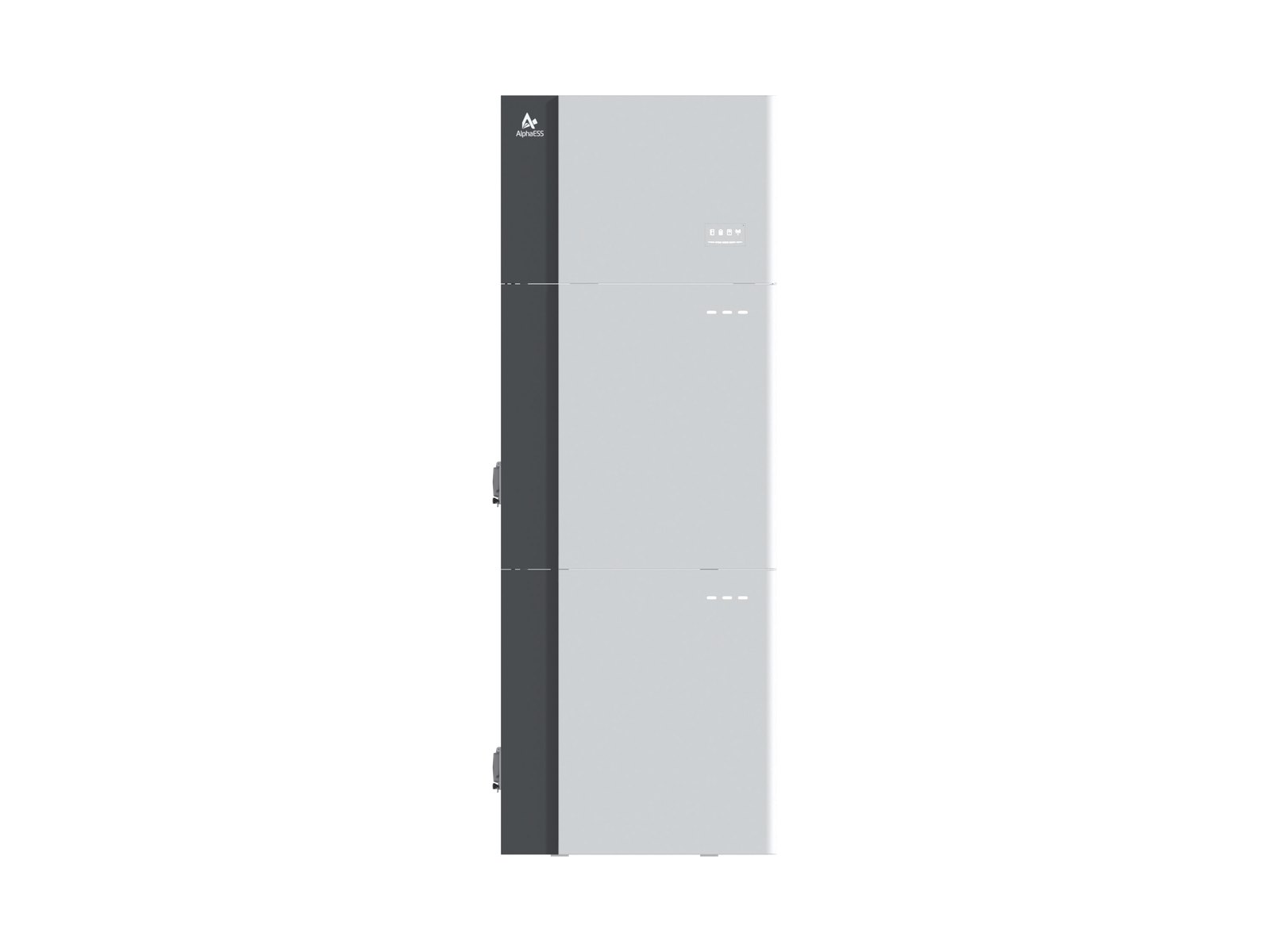
AlphaESS SMILE-G3
The AlphaESS SMILE-G3 is one of the cheapest ways to get a CEC-listed all-in-one battery and hybrid inverter, with single-phase and three-phase versions and 9.3 kWh modules. The catch is AlphaESS's patchy support record, so the installer you choose matters as much as the hardware.
Best for
Budget-focused homes with a well-reviewed installer who has AlphaESS experience
Anker SOLIX
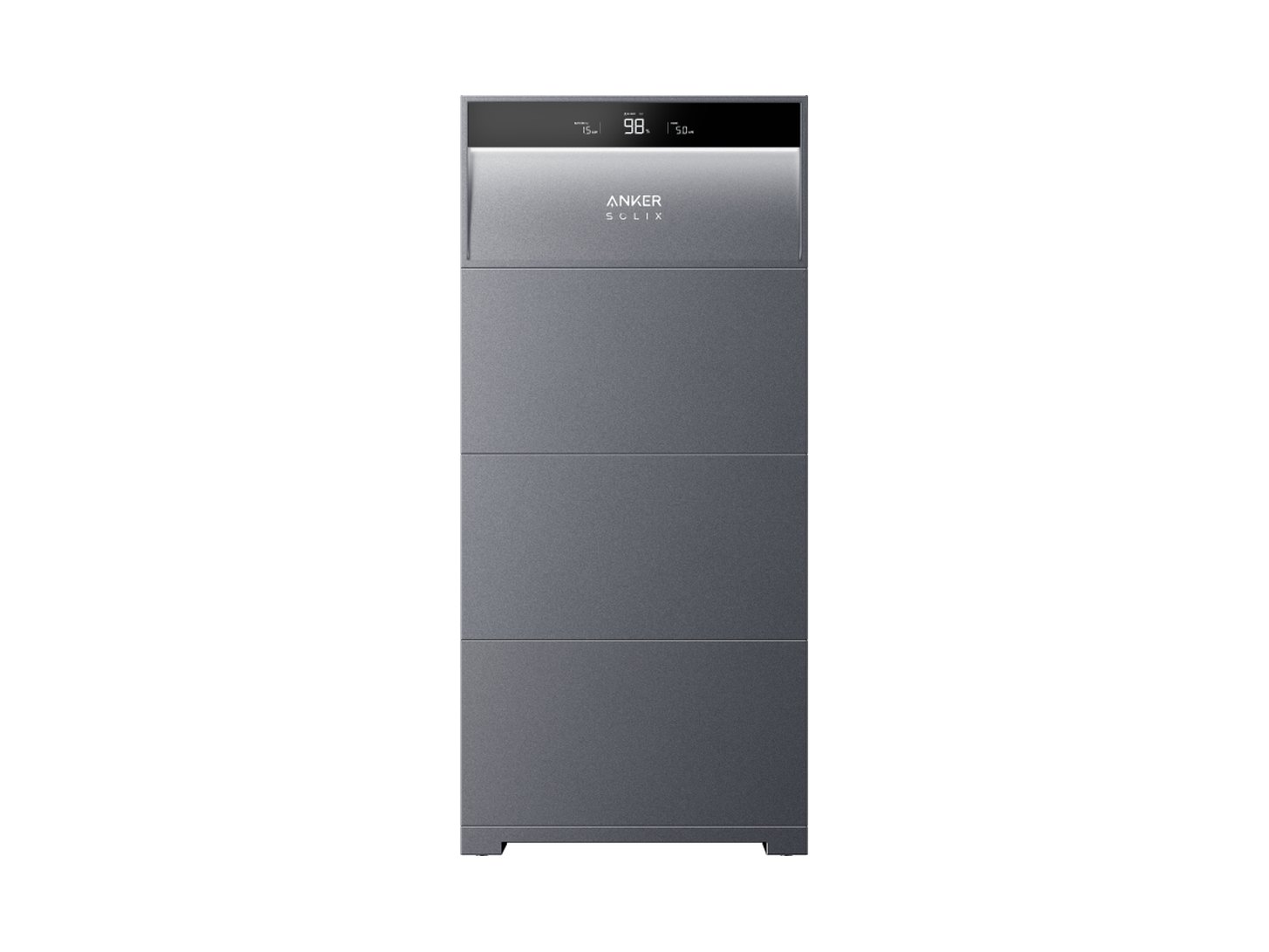
Anker SOLIX X1
The Anker SOLIX X1 is a well-built, unusually slim modular battery with a polished app, strong coastal protection and mid-market pricing. The trade-offs are a warranty that counts every kWh you discharge, so heavy daily cycling can use it up before 10 years, and a 6 kW ceiling per single-phase power module.
Best for
Homes with tight wall space or coastal exposure wanting a tidy, app-driven battery, especially added to existing solar
BYD
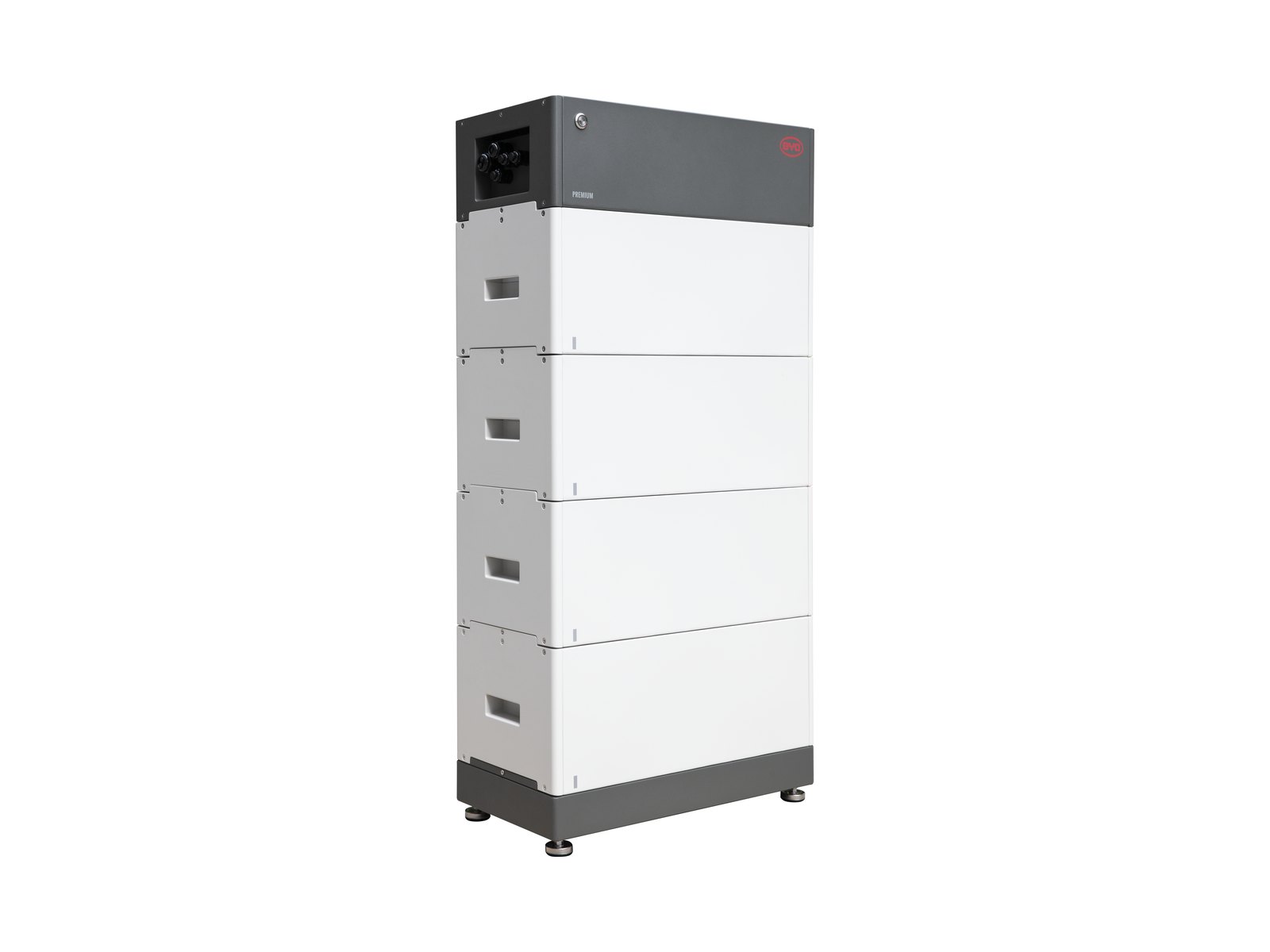
BYD Battery-Box Premium
The BYD Battery-Box Premium is a proven, stackable battery that works with more inverter brands than most, which makes it the default partner for Fronius hybrid systems. Its warranty ends at a throughput cap for every type of use, so households that cycle hard every day may run out of cover before 10 years.
Best for
Homes pairing a battery with a Fronius GEN24 Plus or another listed hybrid inverter
Deye
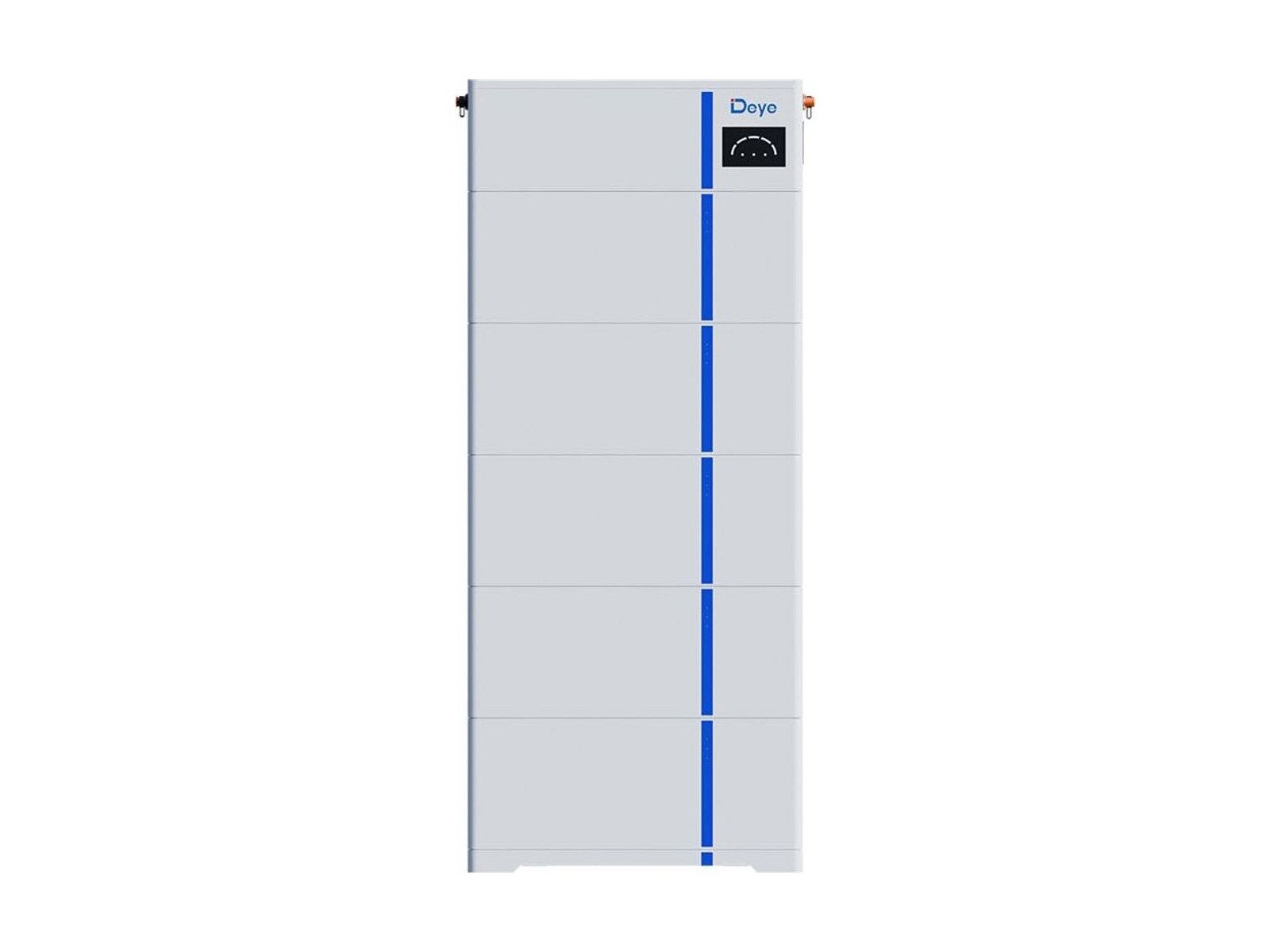
Deye AI-W5.1-B
The Deye AI-W5.1-B is one of the cheapest CEC-listed batteries in Australia per usable kWh, in 5.12 kWh steps that suit homes adding capacity gradually. The trade-offs are a warranty that only holds with a Deye-certified inverter, a short Australian track record with very little independent feedback, and a throughput cap of about 3.1 MWh per kWh.
Best for
Budget-minded homes wanting 10 to 30 kWh of low voltage storage from a Deye hybrid inverter or all-in-one
Dyness
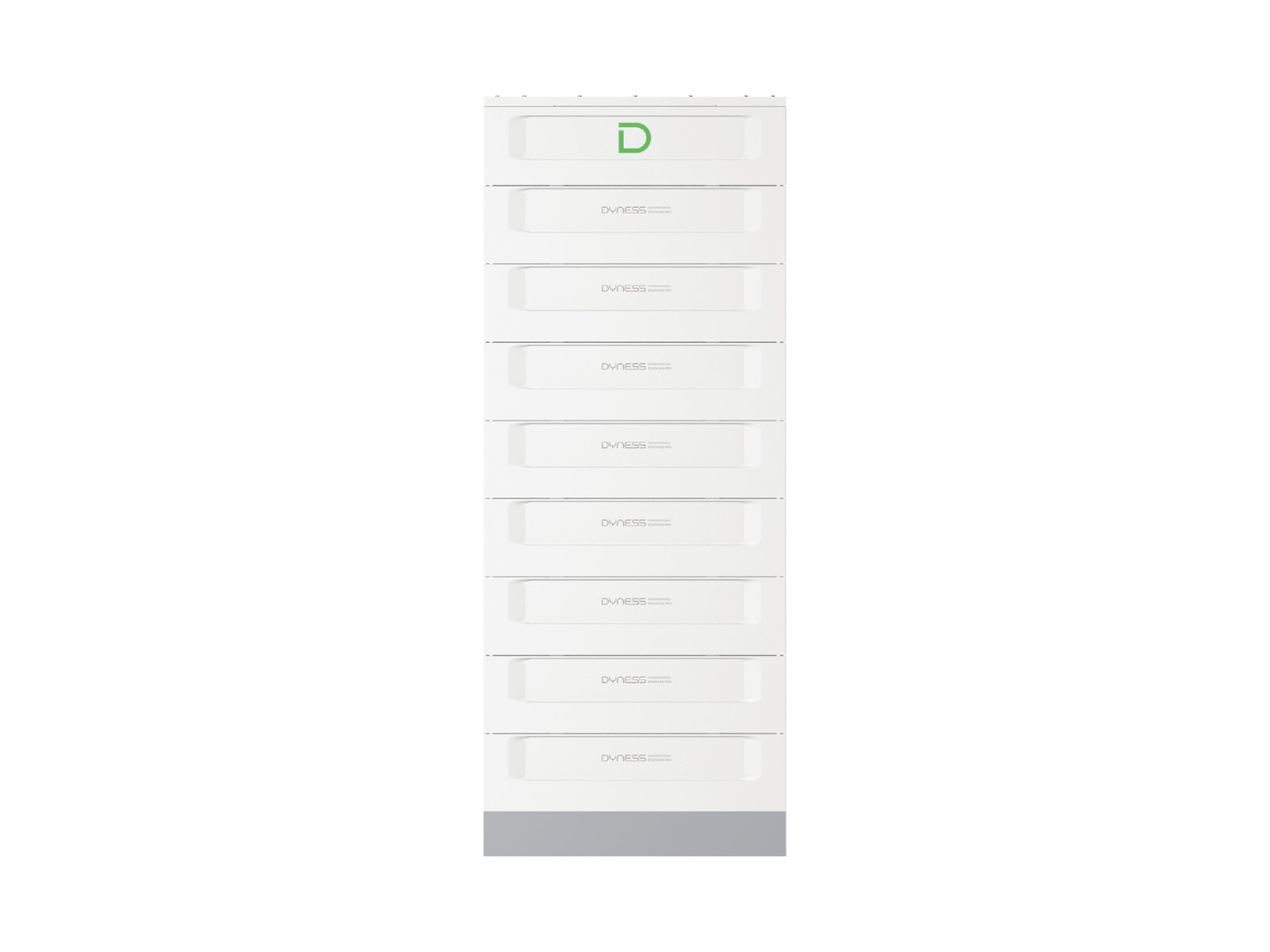
Dyness STACK100 Pro
Dyness now has a credible Australian line-up led by the IP66 STACK100 Pro and the Cygni all-in-one, with a throughput allowance that explicitly covers VPP use and works with many hybrid inverter brands. The trade-offs are a short local track record, strict claim deadlines and coastal exclusions, and mixed-brand systems where the battery and inverter makers can blame each other.
Best for
Value-focused homes pairing a battery with a GoodWe, Solis, Deye or similar hybrid, or large homes wanting 30 kWh or more
Enphase
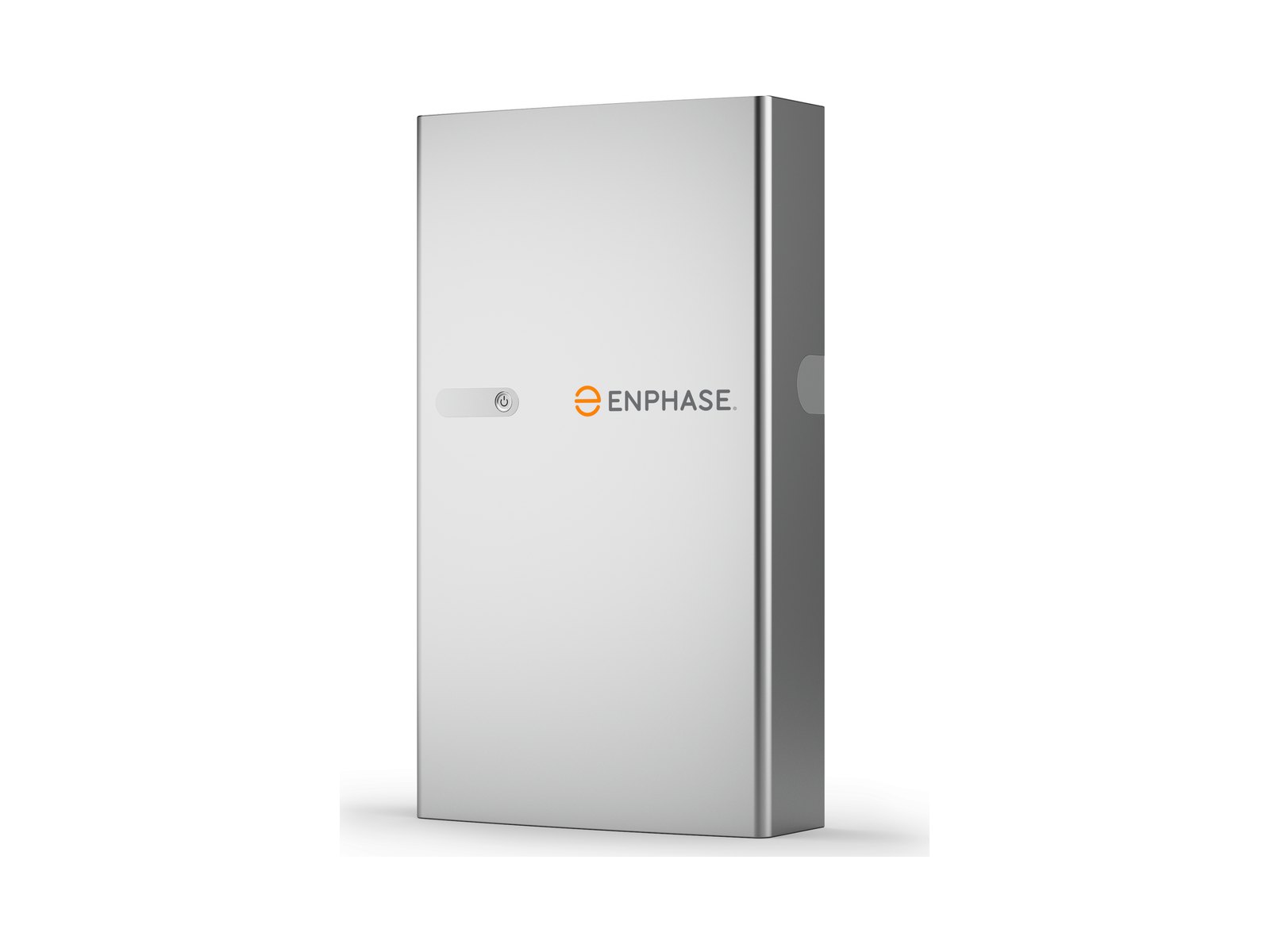
Enphase IQ Battery 5P
The IQ Battery 5P is the cleanest way to add storage to an Enphase microinverter home, with a 15-year warranty and no high-voltage DC on the wall. The trade-off is cost per kWh and modest power per unit, so you pay more and need several units to run big loads in a blackout.
Best for
Homes with Enphase microinverters wanting a modular, AC-coupled battery
Inverters
Independent reviews of the string, hybrid and microinverters on Australian solar quotes, covering efficiency, battery compatibility, monitoring, local support and warranty terms.
Enphase
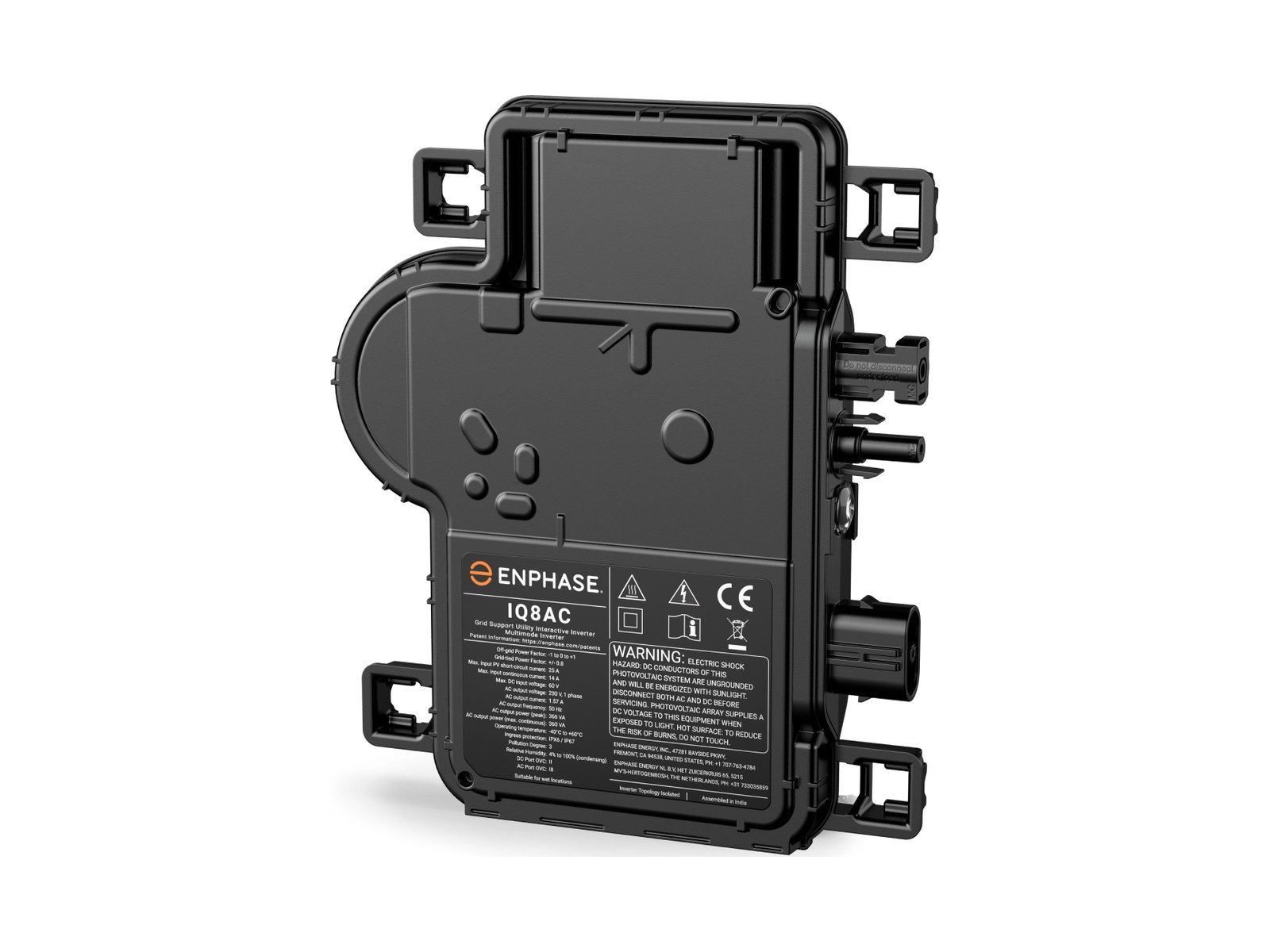
Enphase IQ8
The IQ8 is the strongest choice for shaded, multi-orientation or awkward roofs, with low-voltage DC on the roof and a 25-year microinverter warranty. You pay a clear premium over a good string inverter, and the warranty covers parts only, so on a simple sunny roof the extra money buys less than the brochure suggests.
Best for
Shaded or split roofs where panel-level output and low-voltage DC matter
Fronius
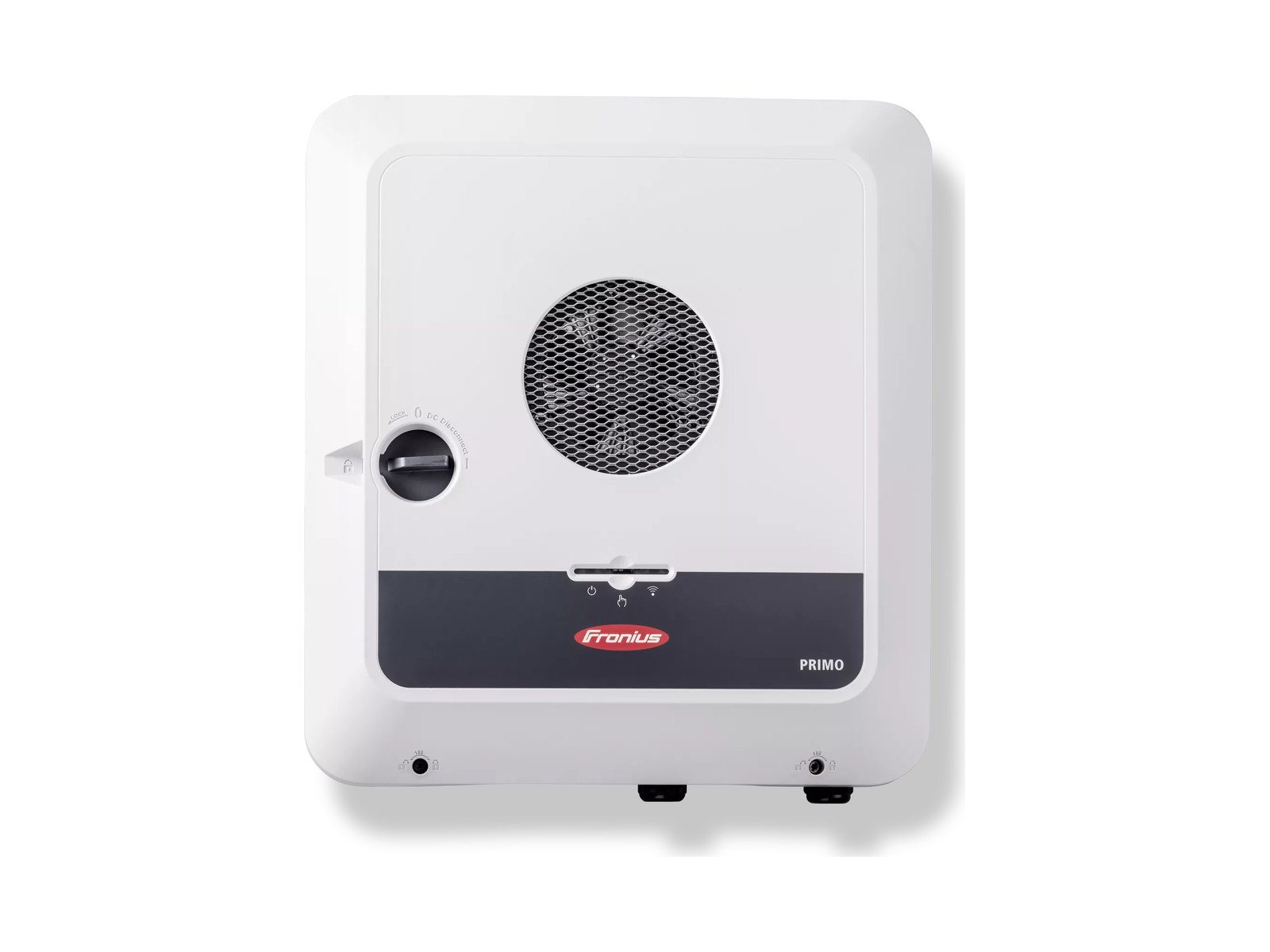
Fronius Primo
The Primo GEN24 is a well-supported, quiet single-phase string inverter with a strong Australian service record and a cheap path to adding a battery later. You pay a clear premium over Sungrow for that, and the free 10-year warranty depends on registration and promotion terms you should confirm in writing.
Best for
Single-phase homes wanting a premium European string inverter with an upgrade path to a battery
Fronius
Fronius GEN24 Plus
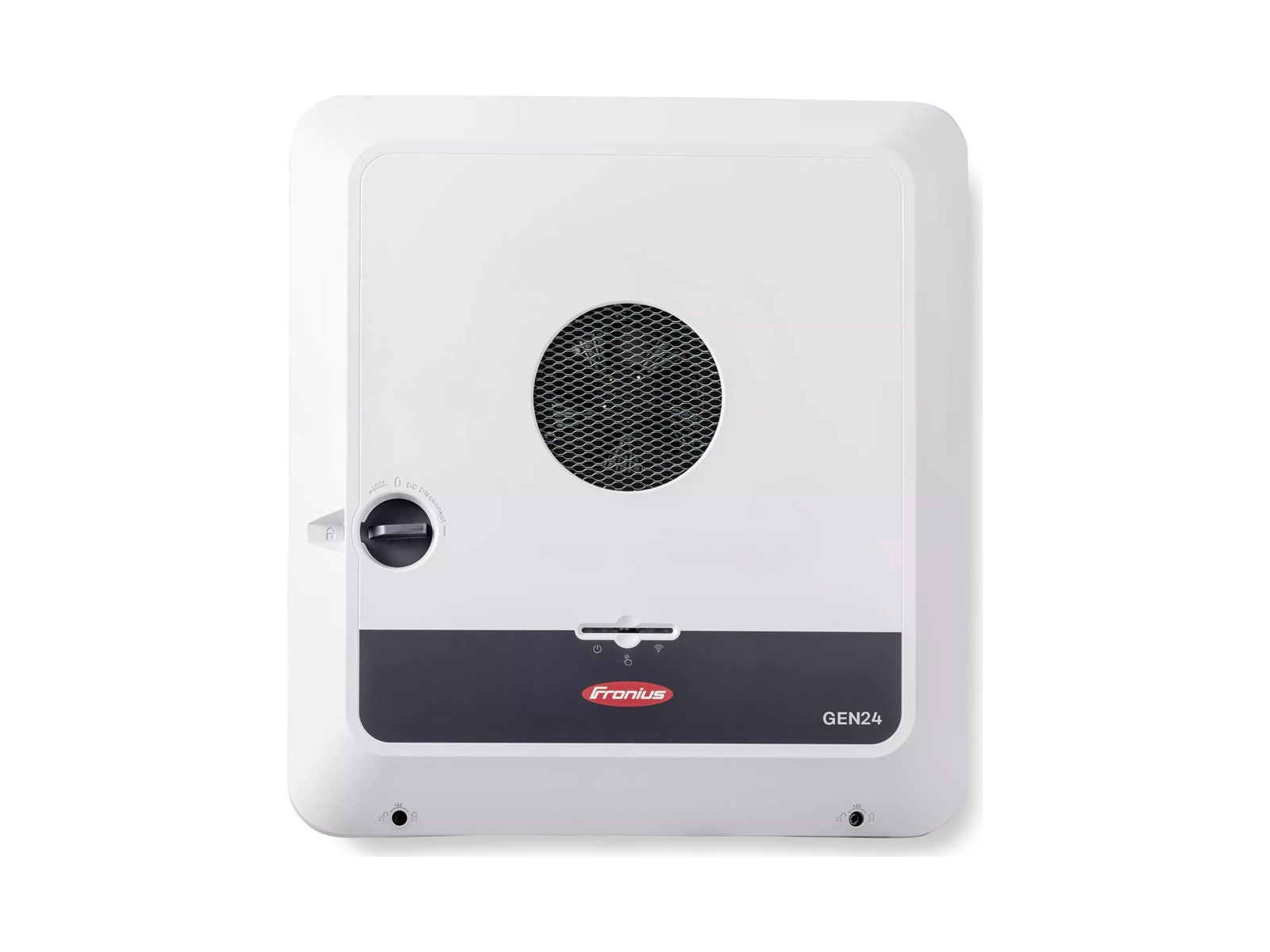
The GEN24 Plus is a well-built, well-supported hybrid that suits owners who value Fronius service and want three-phase backup or a Fronius-branded battery. Its backup is not seamless, its battery list is short and it costs more than a Sungrow hybrid, so it only makes sense if those trade-offs do not bother you.
Best for
Homes adding a battery now that want premium local support and optional whole-home or three-phase backup
GoodWe
GoodWe DNS, EH and ET
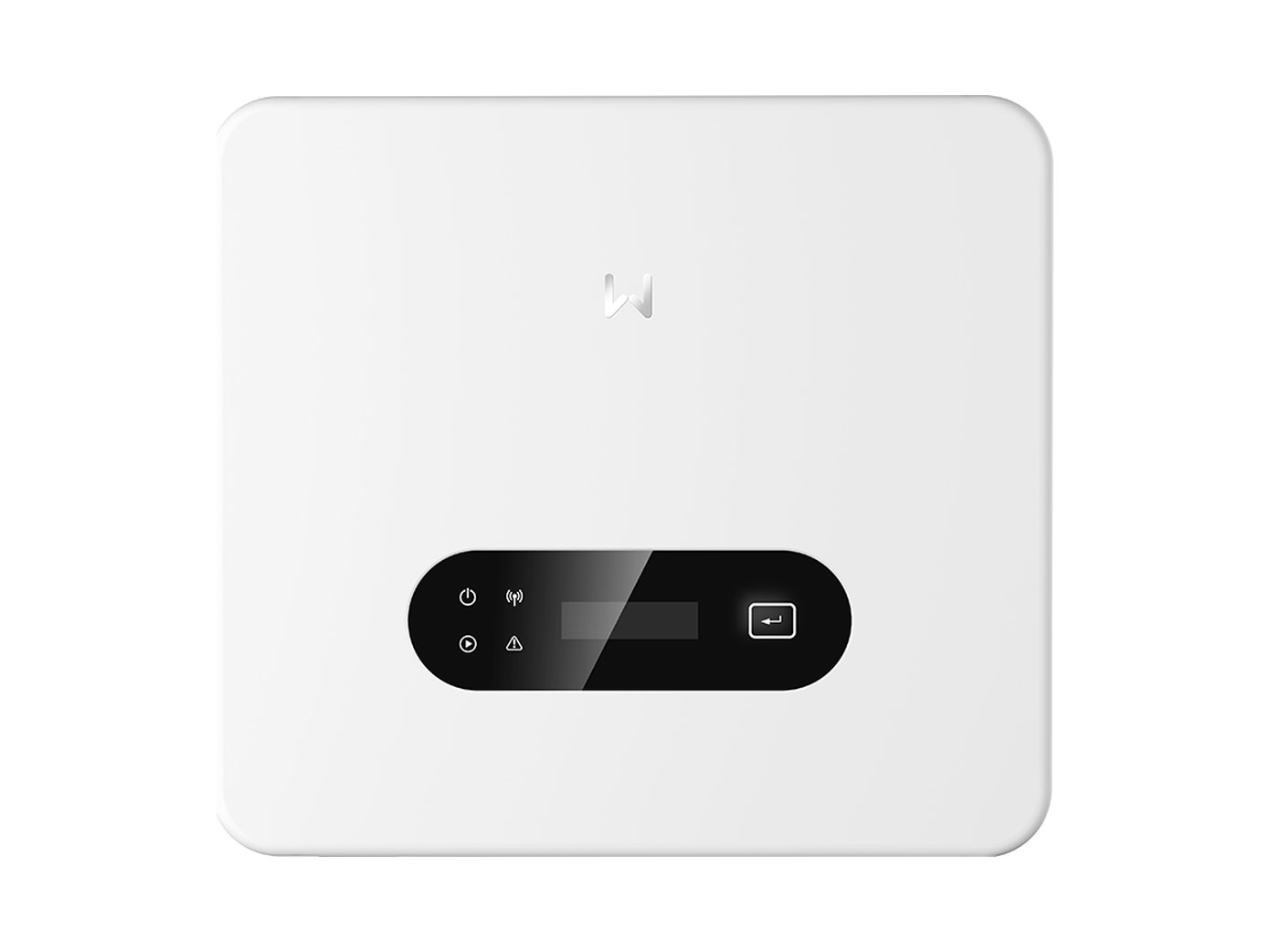
GoodWe's DNS string inverters are a sound budget pick with a local office and a 10-year warranty once registered online, and the ET G2 is a capable three-phase hybrid. Read the warranty conditions closely, though: several hybrids only get 10 years if paired with a GoodWe battery, and owners in hot climates report noticeable summer derating.
Best for
Budget to mid-range single-phase systems and three-phase homes wanting a hybrid
Growatt
Growatt MIN / MOD hybrid
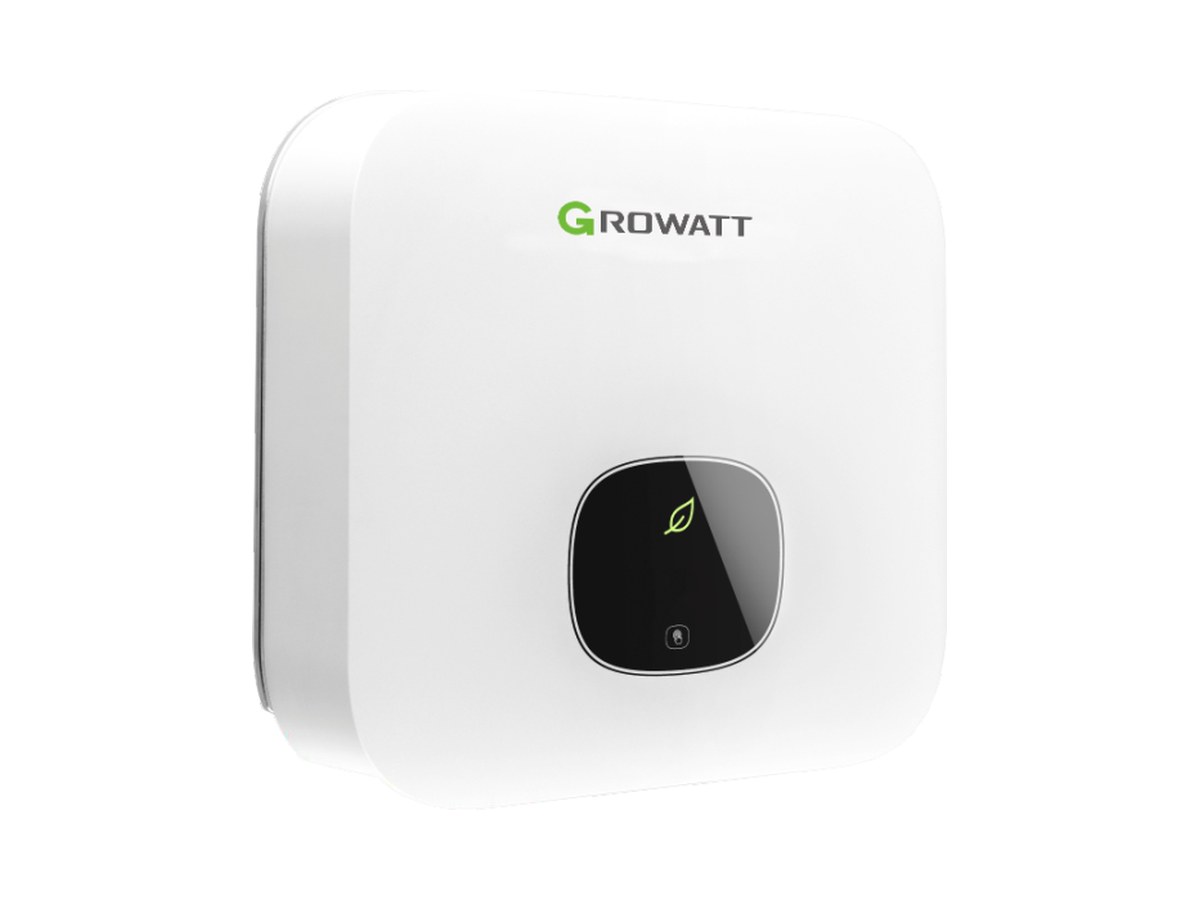
Growatt hybrids are low-cost, IP66, well-specified inverters, and most owners rate them highly (88% four or five stars on SolarQuotes), but the warranty term is stated inconsistently and Australian support has a mixed record. Buy one only from an installer who will commission it, register it and support it, and check the exact model is on the Clean Energy Council list.
Best for
Budget-focused homes that want a battery-ready hybrid and have an installer who will back it
Huawei
Huawei SUN2000
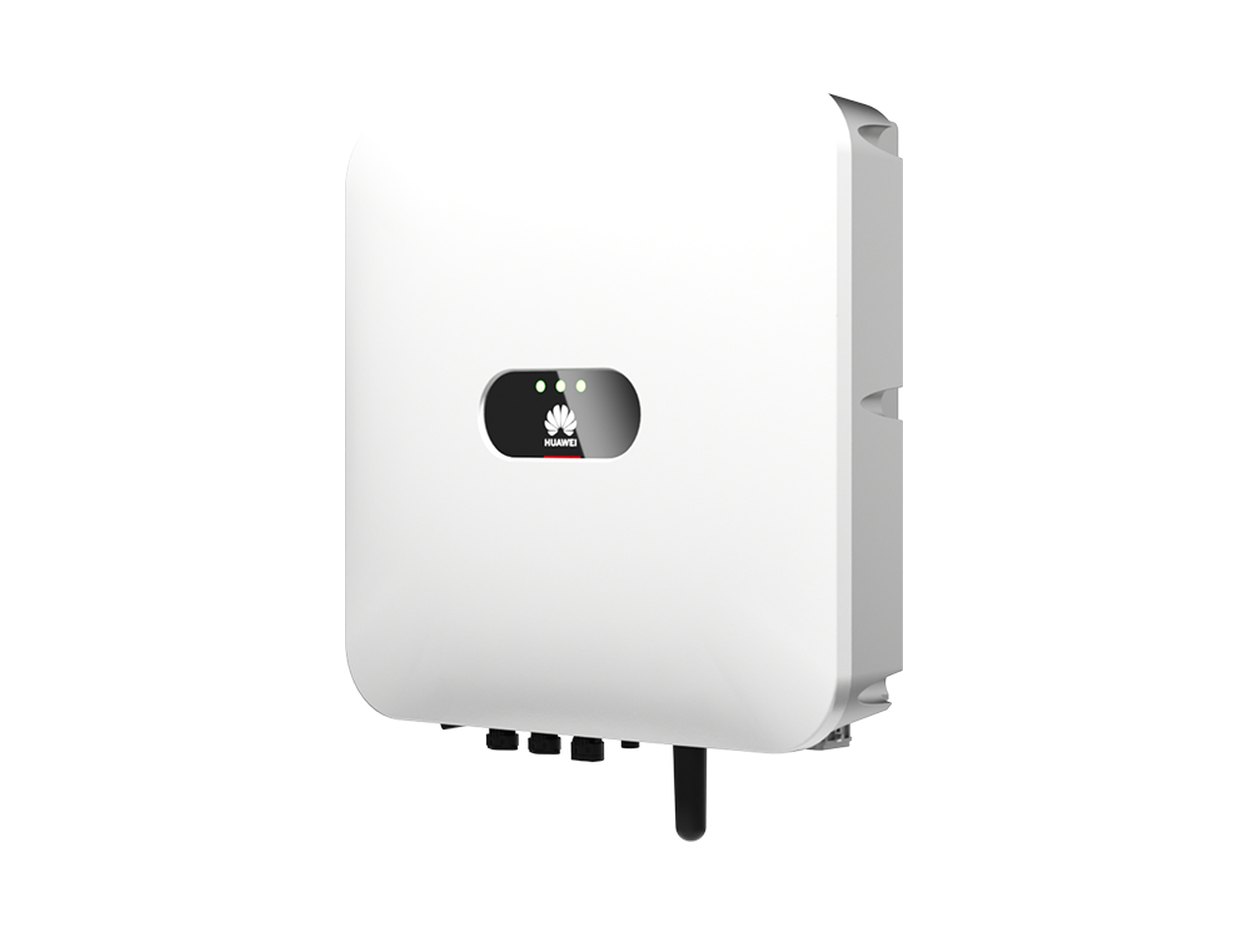
The SUN2000 L1 and M1 were well-liked, efficient hybrid-ready inverters, and owners still rate them highly. But Huawei stopped selling them in Australia in early 2024 and no Huawei inverter is on the Clean Energy Council approved list, so do not accept one on a new quote; if you already own one, plan around the end-2026 battery expansion cut-off.
Best for
Existing owners checking warranty, support and battery expansion options
Solar Panels
Independent reviews of the solar panels Australian installers fit most, comparing efficiency, heat performance, degradation, warranty support and value.
AIKO
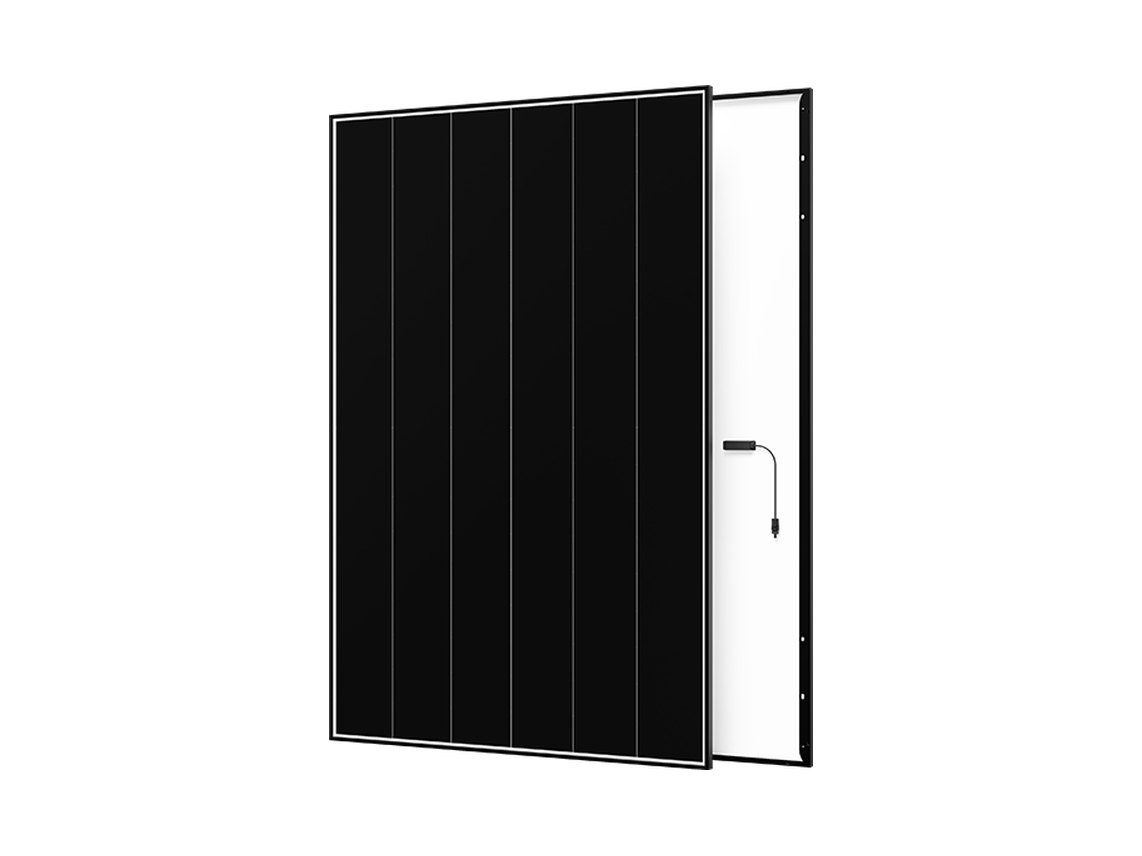
AIKO Neostar
The Neostar 3P54 squeezes up to 500 W and 25% efficiency into a standard 1762 x 1134 mm panel, backed by a 25 year product and 30 year performance warranty written for Australia. You pay a modest premium over TOPCon panels, AIKO has only been selling here since 2024, and its shade advantage is real but smaller in practice than the marketing suggests.
Best for
Small or partly shaded roofs where maximum watts per panel justify a modest premium
Canadian Solar
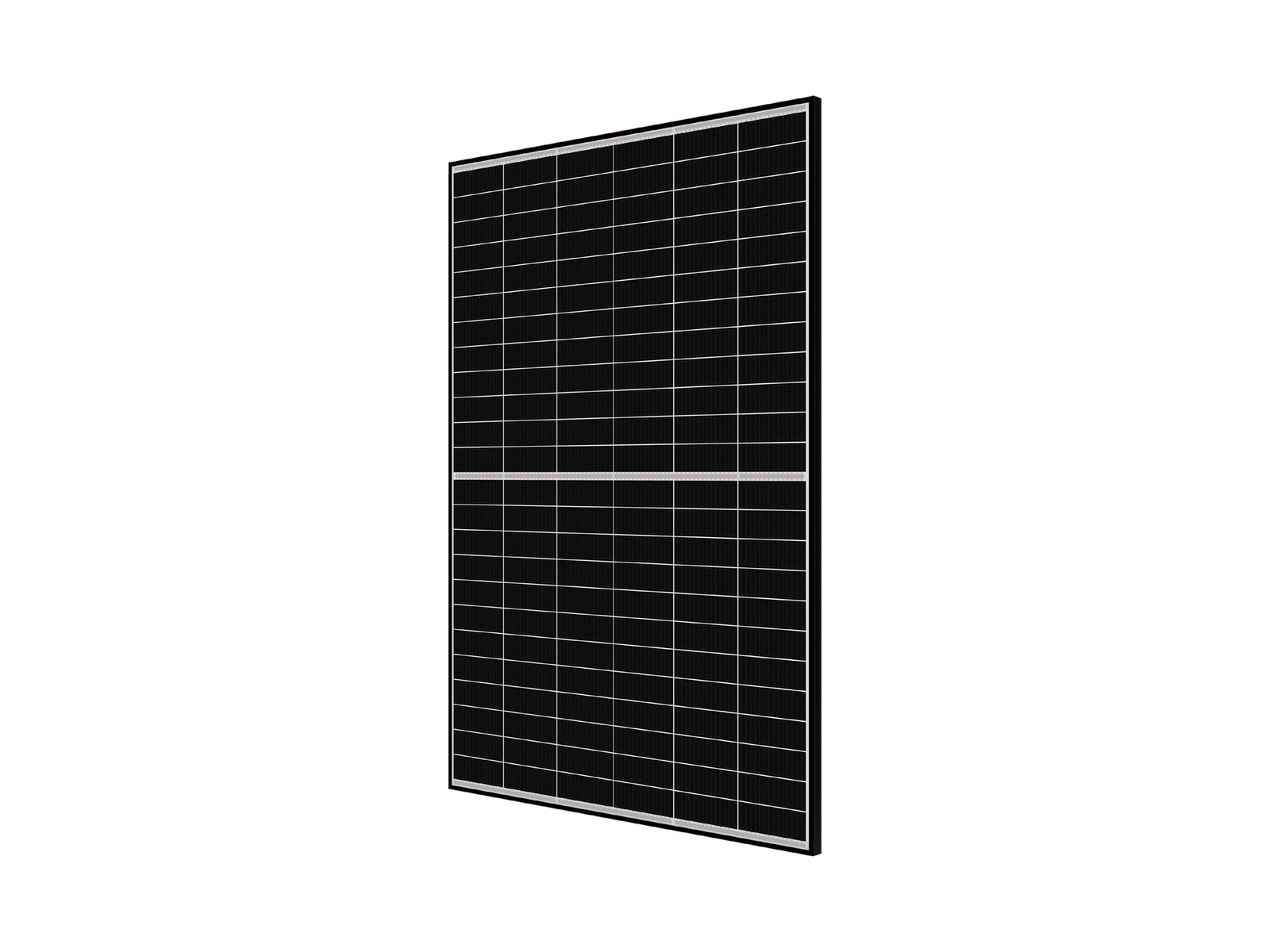
Canadian Solar TOPHiKu6
The TOPHiKu6 is a solid, well-supported value panel that does the job on most Australian roofs at a mainstream price. Check that you are getting a black-frame model (the 25-year product warranty depends on it) and budget for the fact that removal and reinstallation labour is not covered.
Best for
Budget to mid-range systems on ordinary roofs where value and a local warranty office matter most
JA Solar
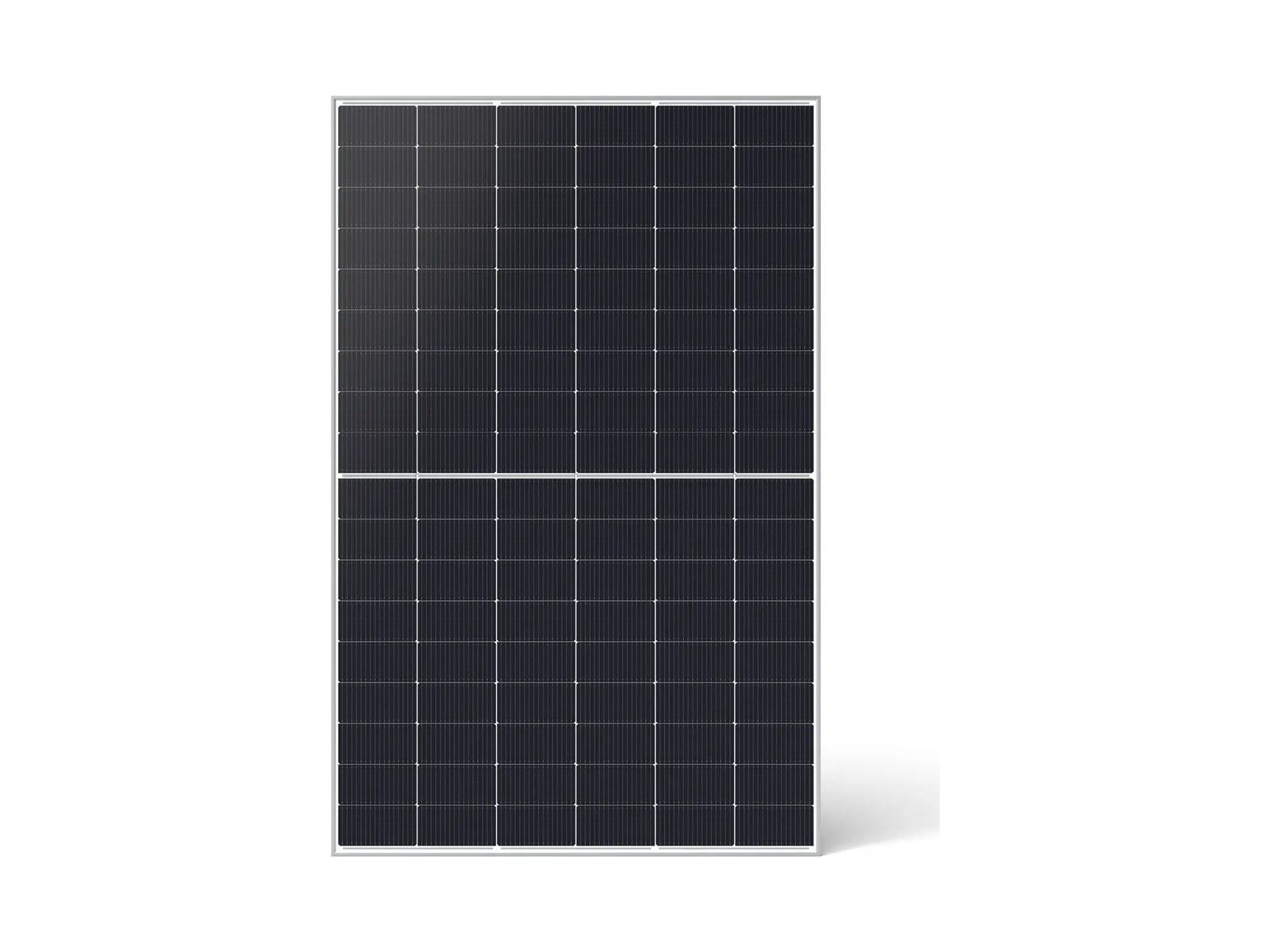
JA Solar DeepBlue 4.0 Pro
The DeepBlue 4.0 Pro is a low-cost, dual-glass TOPCon panel with a solid Australian track record and specs that match its main rivals. The catch is the warranty paperwork: the 25-year product cover is an Australian extension with conditions, including no cover within 500 m of the sea unless JA Solar approves the site in advance.
Best for
Value-focused suburban rooftop systems more than 500 m from the coast
Jinko Solar
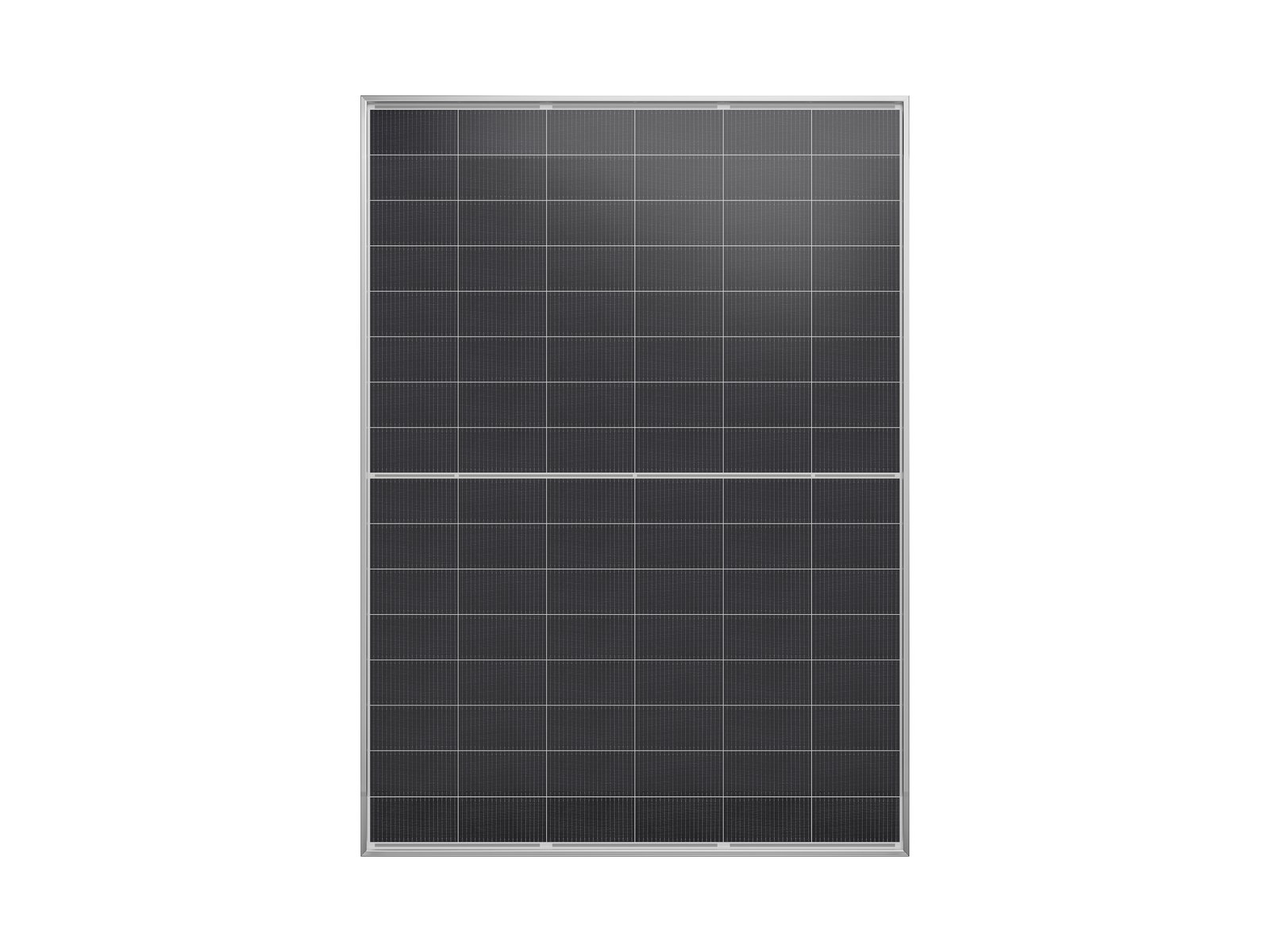
Jinko Tiger Neo
The Tiger Neo 3.0 is one of the best value panels on Australian roofs in 2026, pairing 24% efficiency and a low -0.26%/°C temperature coefficient with a 25 year product warranty. The trade-off is weight and current: at 24.4 kg and almost 16 A it needs an installer who checks inverter input limits and handles heavier dual-glass modules properly.
Best for
Budget-conscious homes wanting high output per panel from a large, locally supported brand
LONGi
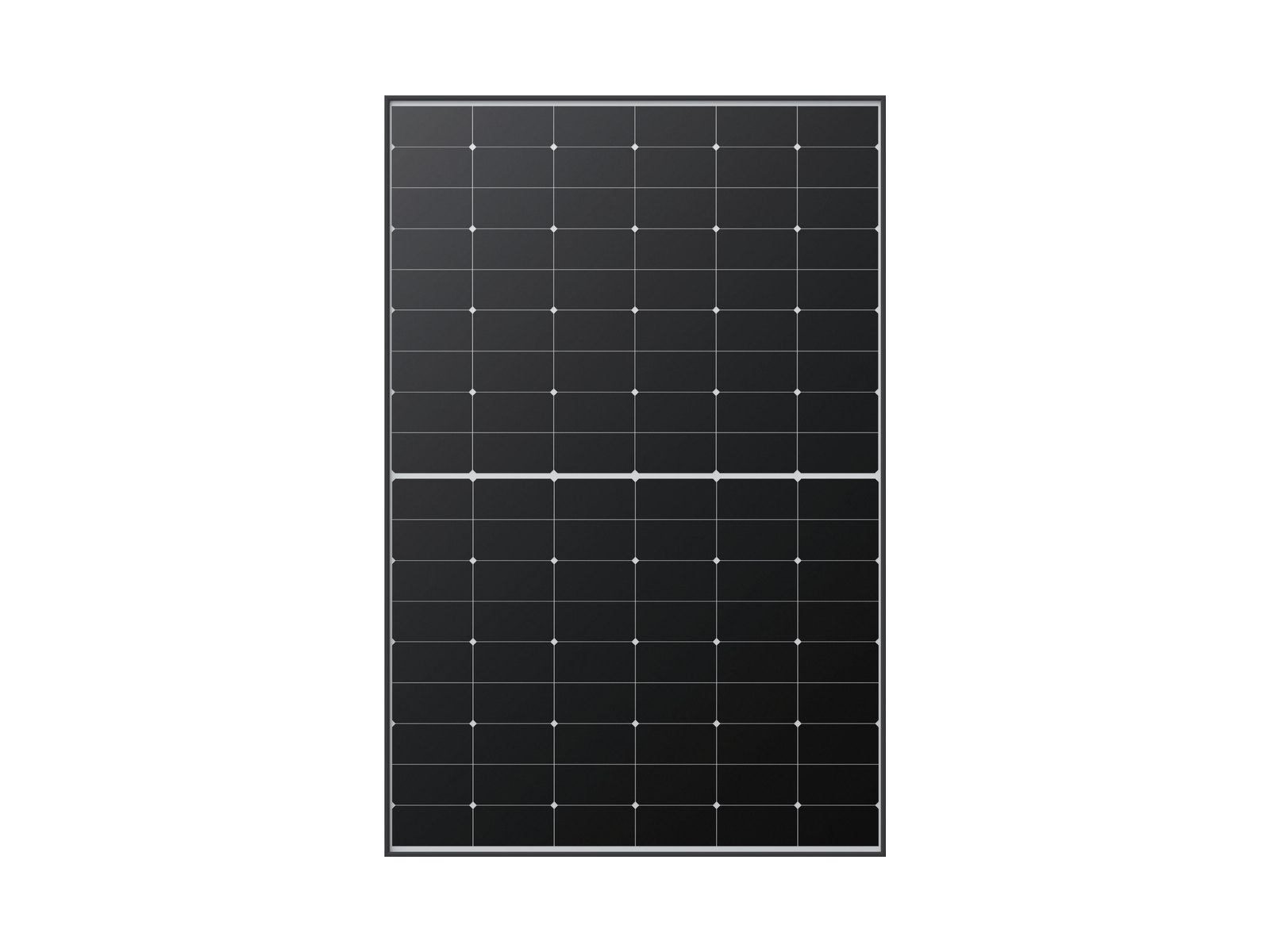
LONGi Hi-MO X6 / X10
The Hi-MO X6 is a solid, good-looking back-contact panel, but in late 2026 its successor, the Hi-MO X10, is the better buy with about 10% more power per panel, a -0.26%/°C heat rating and a 30 year performance guarantee. Either way, confirm the Australian product warranty on paper, because LONGi's global datasheets show 15 years while Australian materials show 25.
Best for
Homes wanting a clean all-black look and strong output from a large, well-supported brand
REC
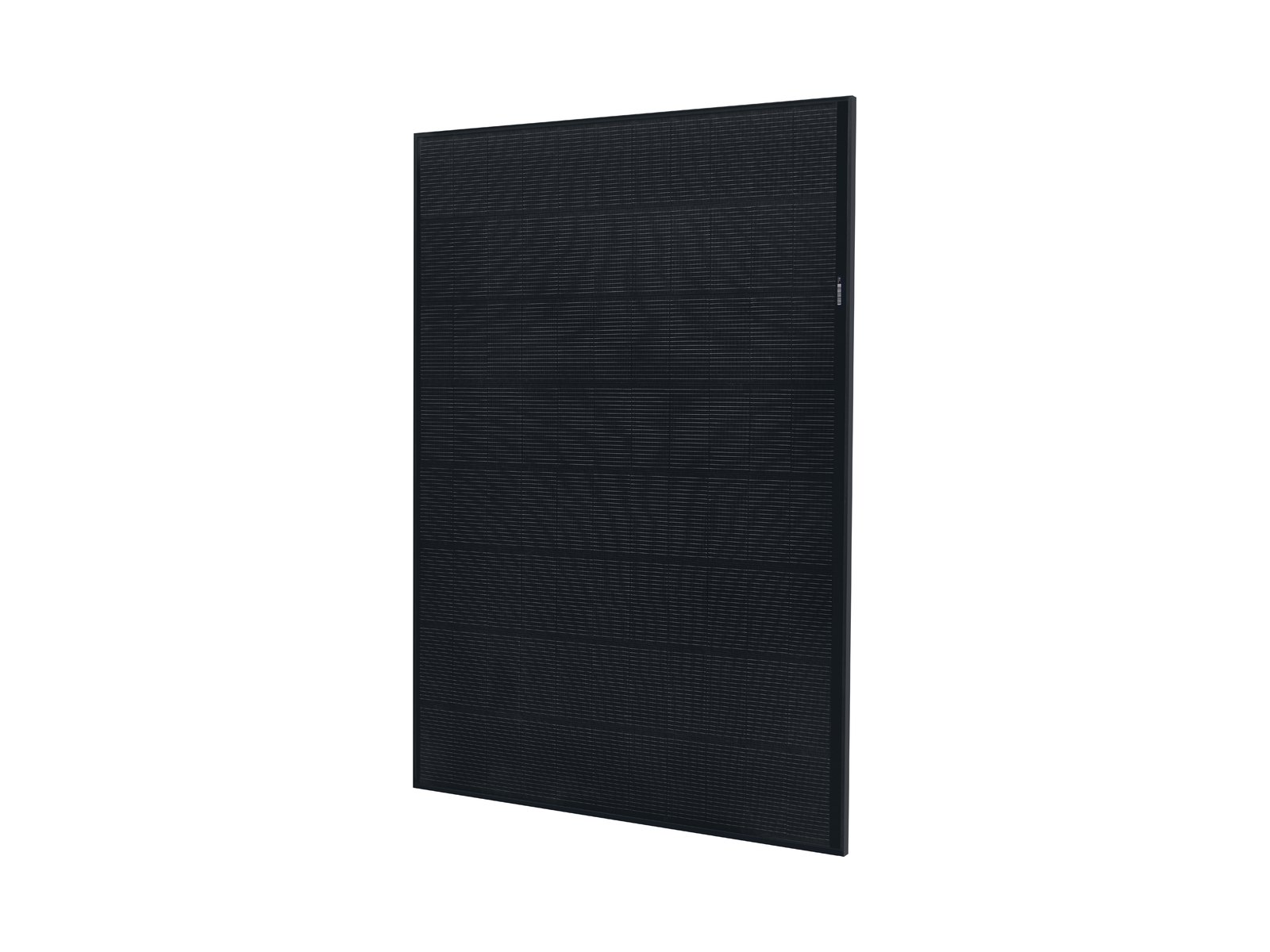
REC Alpha Pure-RX
The Alpha Pure-RX offers the best long-term guarantee in this group, at least 92% of nameplate power at year 25, plus 25 years of product and labour cover when an REC Certified installer registers it. The catch is price: panel hardware costs roughly two and a half times as much per watt as budget TOPCon, and the extra-wide 1205 mm format does not suit every roof.
Best for
Owners planning to stay 20 years or more who value a low degradation guarantee and labour cover
Ready to compare installers?
The installer matters as much as the hardware. Browse rated solar companies near you and ask each one which of these products they would fit, and why.