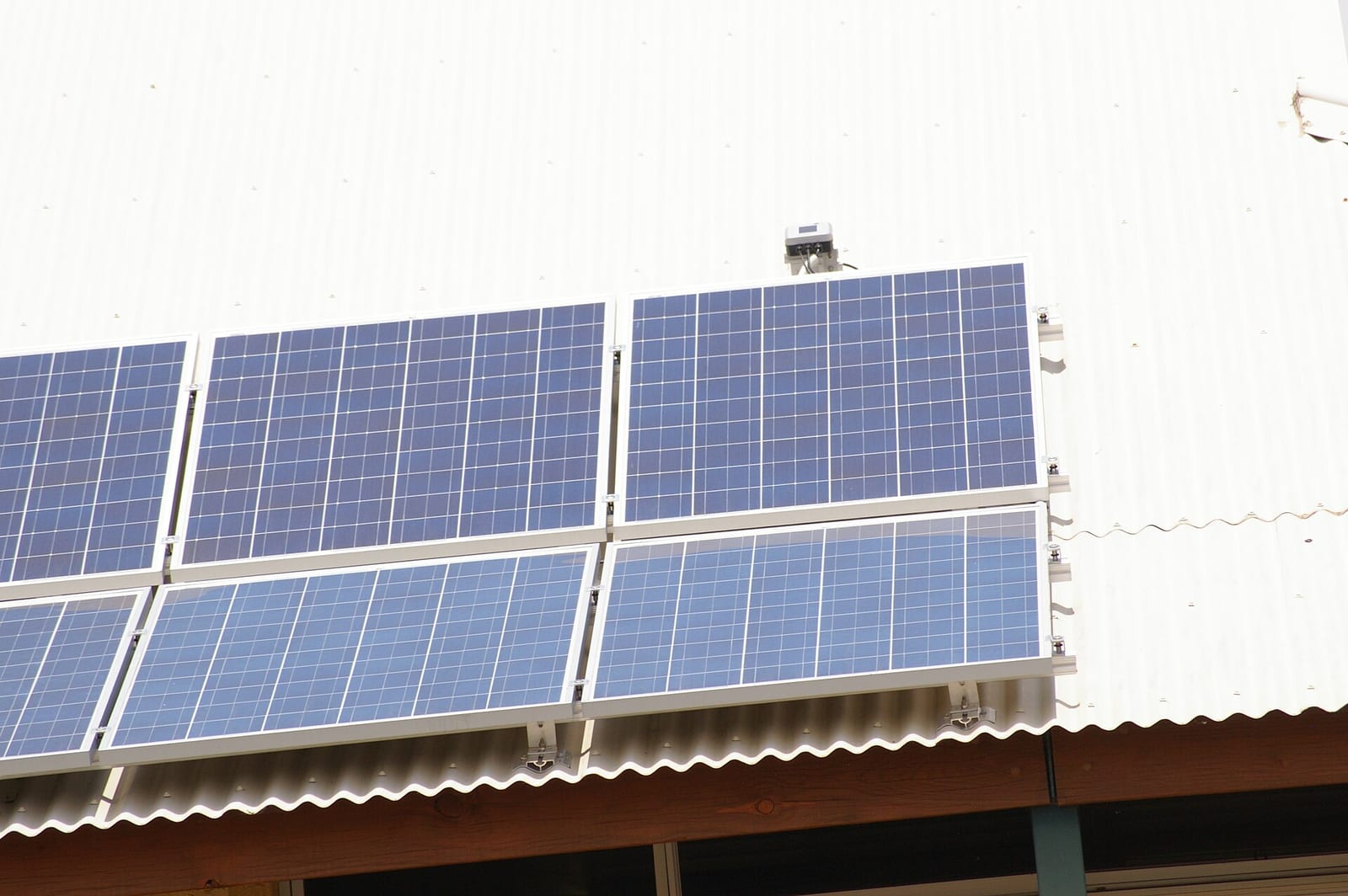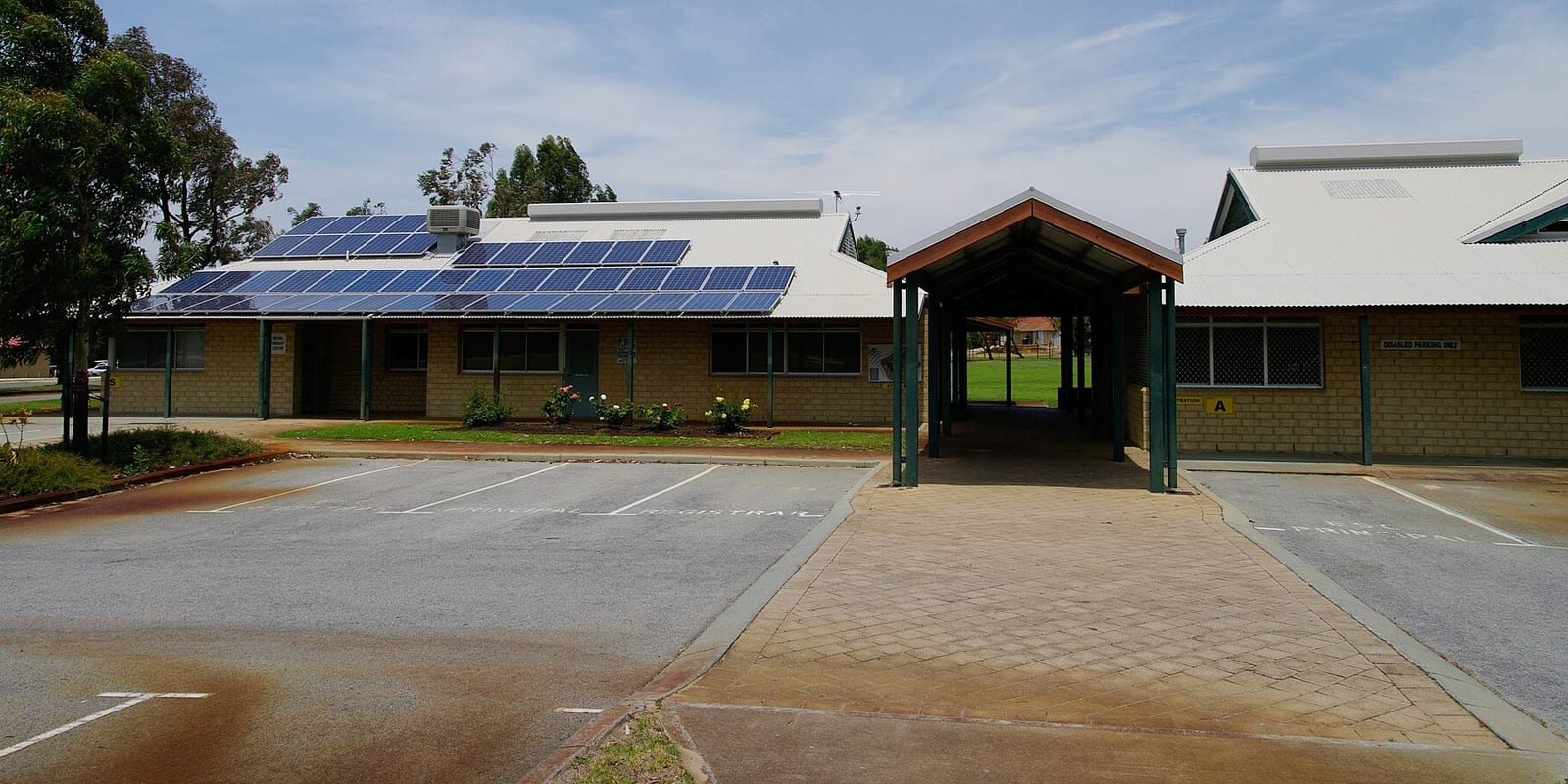

The solar battery rebate SA households can claim in November 2026 is the federal one. South Australia’s own Home Battery Scheme is closed, and there is no state rebate for solar panels. The federal Cheaper Home Batteries Program takes about $3,460 to $3,640 off a 13.5 kWh battery, and the federal STC discount takes about $1,710 to $1,800 off a 6.6 kW solar system in Adelaide. The one state-linked extra is the Retailer Energy Productivity Scheme (REPS) virtual power plant incentive, which for the rest of 2026 is only open to priority group households such as concession card holders.
This guide is independent desk research, checked against South Australian and federal government sources. No installer or retailer paid to be mentioned.
Key facts
- As at November 2026, the South Australian Home Battery Scheme is closed and the Department for Energy and Mining is not accepting new applications.
- South Australia has no state solar panel rebate in November 2026, so a 6.6 kW system in Adelaide (STC zone 3) gets only the federal discount of 45 certificates, worth about $1,710 to $1,800.
- The federal Cheaper Home Batteries Program gives a 13.5 kWh battery installed in South Australia between 1 May and 31 December 2026 a total of 91 certificates, worth about $3,460 to $3,640 at $38 to $40 each.
- The federal battery factor falls from 6.8 to 5.7 certificates per usable kWh on 1 January 2027, cutting the discount on a 13.5 kWh battery by about $570 to $600.
- SolarQuotes reported in June 2026 that the REPS virtual power plant incentive in South Australia was worth up to $2,050 and was limited to priority group households for the rest of 2026.
- The Essential Services Commission of South Australia (ESCOSA) sets no minimum feed-in tariff, and found retailer feed-in tariffs of 0 to 5.5 c/kWh at 30 June 2026, with 2 c/kWh the most common.
South Australia solar rebates at a glance
Programs we could confirm for South Australian households, checked in November 2026:
| Program | What it covers | Worth | Status (November 2026) | Stacks with federal? |
|---|---|---|---|---|
| Cheaper Home Batteries Program (federal) | Batteries paired with solar | About $258 to $272 per usable kWh on the first 14 kWh | Open. Steps down 1 January 2027 | It is the federal program |
| Solar panel STC discount (federal) | Rooftop solar | About $1,710 to $1,800 on 6.6 kW in Adelaide | Open. Steps down 1 January 2027 | It is the federal program |
| REPS virtual power plant incentive | Connecting a battery to an approved VPP | Reported up to $2,050 for priority group homes | Priority group only for the rest of 2026 | Yes |
| SA Home Battery Scheme | Nothing new | $0 | Closed since July 2022 | Not applicable |
| SA solar panel rebate | Nothing | $0 | No program | Not applicable |
| City of Adelaide Sustainability Incentives Scheme | Solar and batteries in postcodes 5000 to 5006 | 20% up to $5,000 (solar), 50% up to $1,000 (battery) | 2026-27 budget fully allocated | Yes |
| SA energy bill concession | Electricity bills for concession holders | Up to $291.27 a year | Open | Separate bill credit |
How much you could save on a typical system
An Adelaide household installing 6.6 kW of solar and a 13.5 kWh (usable) battery before 31 December 2026 gets about $5,170 to $5,440 in federal discounts. This is an estimate at an STC price of $38 to $40. The Clean Energy Regulator’s June quarter 2026 Carbon Market Report says STC prices “remained close to $40”. Installers often pass on slightly less.
| Item | Working | Most Adelaide households | Priority group household in an approved VPP |
|---|---|---|---|
| Solar STCs | 6.6 kW x 1.382 x 5 years | 45 STCs: $1,710 to $1,800 | 45 STCs: $1,710 to $1,800 |
| Battery STCs | 13.5 kWh x 6.8 | 91 STCs: $3,460 to $3,640 | 91 STCs: $3,460 to $3,640 |
| REPS VPP incentive | Set by activity provider | $0 | Up to about $1,030 (reported for 13 kWh) |
| Total | About $5,170 to $5,440 | About $6,200 to $6,470 |
For context, our battery cost guide puts a 13.5 kWh battery at roughly $11,000 to $15,000 installed before discounts.
Solar battery rebate South Australia: the federal discount
The federal Cheaper Home Batteries Program is the main battery discount in South Australia and has no income test. A battery earns small-scale technology certificates (STCs), and the installer usually takes their value off the invoice.
For installs from 1 May to 31 December 2026 the factor is 6.8 certificates per usable kWh. It applies in full to the first 14 kWh, at 60 per cent from 14 to 28 kWh and at 15 per cent from 28 to 50 kWh.
| Usable battery size | Certificates (to 31 December 2026) | Discount at $38 to $40 |
|---|---|---|
| 10 kWh | 68 | $2,580 to $2,720 |
| 13.5 kWh | 91 | $3,460 to $3,640 |
| 20 kWh | 119 | $4,520 to $4,760 |
The next cut. On 1 January 2027 the factor falls to 5.7, then drops every six months to 2.1 in late 2030. A 13.5 kWh battery then earns about 76 certificates. The installation date sets the rate.
Who qualifies: batteries of 5 kWh to 100 kWh, connected to new or existing rooftop solar, using a Clean Energy Council approved product and an installer accredited by Solar Accreditation Australia.
Source: Cheaper Home Batteries Program, DCCEEW. Compare other states in our battery rebates by state guide.
REPS SA: the virtual power plant incentive
REPS is the only state scheme in South Australia that pays battery owners, and in November 2026 it is paying priority group households only. A virtual power plant (VPP) is a network of home batteries that an operator controls together to support the grid.
The Retailer Energy Productivity Scheme, administered by ESCOSA, sets targets that energy retailers meet by funding approved activities. One of them (VPP1) is connecting a new or existing battery to an approved VPP. It is not a government grant, so the amount and availability depend on the activity provider.
What it is worth. ESCOSA does not publish dollar amounts. SolarQuotes reported in June 2026 that priority group households could get up to $1,030 for a 13 kWh battery and a maximum of $2,050 at 28 kWh.
Status. Ecovantage, an ESCOSA-listed activity provider, states that 2026 applications from non-priority households are closed and that pre-registration for 2027 is open. MAC Trade Services, another listed provider, says more of the 2026 rebates must go to priority group households.
Priority group. The Department for Energy and Mining defines this as a household where a resident:
- holds a Pensioner Concession Card, a Health Care Card or an eligible Gold Repatriation Health Card
- receives the South Australian energy bill concession
- rents the home for $500 or less a week
- is on an energy retailer hardship program or payment plan
- has a referral from a South Australian Financial Counsellors Association member.
How to claim. Join an approved VPP first, then apply through an activity provider listed by ESCOSA (AGL, Demand Manager, Ecovantage or MAC Trade Services). Ecovantage requires a battery of at least 2 kWh connected to the VPP on or after 1 January 2026. Read what a VPP is before handing over control of a battery.
Sources: REPS VPP activity, ESCOSA, REPS priority group, Department for Energy and Mining and SolarQuotes on the REPS VPP rebate.
Solar panel rebate SA: the federal STC discount
There is no South Australian state rebate for solar panels, so the federal STC discount is the whole saving. The number of certificates is system size x postcode zone rating x deeming years to 2030, rounded down. A 2026 install gets 5 deeming years, and South Australia spans three zones:
| Zone (rating) | Example towns | 6.6 kW system | 10 kW system |
|---|---|---|---|
| Zone 3 (1.382) | Adelaide, Mount Gambier, Port Augusta, Whyalla, Port Lincoln | 45 STCs, $1,710 to $1,800 | 69 STCs, $2,622 to $2,760 |
| Zone 2 (1.536) | Woomera, Roxby Downs | 50 STCs, $1,900 to $2,000 | 76 STCs, $2,888 to $3,040 |
| Zone 1 (1.622) | Coober Pedy | 53 STCs, $2,014 to $2,120 | 81 STCs, $3,078 to $3,240 |
On 1 January 2027 the deeming period drops to 4 years, and a 6.6 kW Adelaide system falls to about 36 STCs. Our STC explainer covers the mechanics.
Source: Postcode zone ratings, Clean Energy Regulator.
SA Power Networks flexible exports rules
Since 1 July 2023, every new exporting solar system in South Australia must accept remotely adjusted export limits.
- Flexible Exports: an internet-connected inverter can export up to 10 kW per phase, turned down when the local network is full.
- Fixed export: households that opt out get a permanent limit of 1.5 kW per phase, or 0 kW in some areas.
- Battery only: adding a battery to existing solar does not change the export limit.
Source: Your solar, SA Power Networks. See our Adelaide solar companies guide.
Hot water, renters and concession card holders
South Australia has no direct state rebate for heat pump or solar hot water, but REPS includes replacing or upgrading a water heater. ESCOSA says renters and homeowners can both be eligible, and each activity provider sets its own discount.
- SA energy bill concession: up to $291.27 a year for eligible concession card and Centrelink payment holders.
- Cost of Living Concession: $270.60 for 2026-27.
- South Australia’s Virtual Power Plant: AGL installs solar and a Tesla Powerwall at no cost in selected SA Housing Trust homes, with electricity priced 26% below the Default Market Offer. Tenants are invited, not applicants.
Sources: Energy bill concessions and Cost of living concession, SA.GOV.AU, South Australia’s Virtual Power Plant and REPS water heating, ESCOSA.
Programs that have closed
- SA Home Battery Scheme. Launched in October 2018 with subsidies of up to $6,000, later cut to $2,000. SolarQuotes reported on 27 July 2022 that the final subsidies had been allocated. The Department for Energy and Mining confirms no new applications are accepted.
- City of Adelaide Sustainability Incentives Scheme. The council says its 2026-27 budget is fully allocated and to check again in June 2027.
- 44c distributor feed-in tariff. Closed to systems approved after 30 September 2011. Existing recipients keep it until 30 June 2028, unless they alter the system or add a battery.
Feed-in tariffs in SA
South Australia has no minimum feed-in tariff, so each retailer sets its own. ESCOSA stopped setting one from 1 January 2017. Its Energy Retail Price Offers Comparison Report 2025-26 found residential retailer feed-in tariffs of 0 to 5.5 c/kWh at 30 June 2026, with 2 c/kWh the most common.
SA Power Networks also charges an export tariff, in place since 1 July 2025 for residential and small business inverters up to 30 kW AC. On a smart (interval) meter, exports between 10am and 4pm above 9 kWh a day are charged 1 c/kWh, and exports from 4pm to 10am are free. On an older accumulation meter the free amount is 11 kWh a day and the charge is 0.75 c/kWh. SA Power Networks bills the retailer, so whether you pay depends on your retailer, and it estimates about A$1.50 a month for an average residential customer.
With exports worth about 2 c/kWh, storing solar for the evening is the case for a battery in Adelaide. See our best solar feed-in tariff in SA comparison and the national feed-in tariff tracker.
Source: Solar feed-in payments, SA.GOV.AU.
How to claim, step by step
- Get at least three quotes. The retailer applies the federal discounts, so there is no government form.
- Check accreditation yourself. Look up the retailer on the Clean Energy Council’s New Energy Tech Approved Seller list and the installer on the Solar Accreditation Australia register.
- Read the quote line by line. Look for separate lines for solar STCs and battery STCs, usable capacity, model numbers and the install date. See how to compare solar quotes.
- Confirm the export option (Flexible Exports or a fixed limit) and an install date before 31 December 2026.
- Priority group households: join an approved VPP, then apply to a REPS activity provider before its 2026 cut-off.
Watch out for
- Outdated figures in adverts. On 12 November 2026, a first-page Google result for SA battery rebate searches claimed about $4,750 off a 13.5 kWh battery. Under the current rules it is about $3,460 to $3,640.
- Counting on REPS. Funding can run out during the year, so never treat it as a certain discount.
- The 1 January 2027 step-down. Battery and solar certificates both fall. A delayed install can cost $570 or more.
FAQ
Is there a solar battery rebate in SA in 2026?
Yes, but it is the federal one. The Cheaper Home Batteries Program takes about $3,460 to $3,640 off a 13.5 kWh battery installed in South Australia before 31 December 2026.
Is the SA Home Battery Scheme still open?
No, the SA Home Battery Scheme is closed and is not accepting applications. SolarQuotes reported its last subsidies were allocated in July 2022.
Is there a solar panel rebate in South Australia?
There is no state solar panel rebate in South Australia, only the federal STC discount. A 6.6 kW system in Adelaide earns 45 certificates in 2026, worth about $1,710 to $1,800.
What is the REPS VPP rebate in SA worth?
SolarQuotes reported in June 2026 that the REPS VPP incentive was worth up to $2,050 for priority group households with 28 kWh of battery capacity. Activity providers set the amounts.
Can I get the battery rebate if I already have solar?
Yes, the federal battery discount applies to batteries added to existing rooftop solar. SA Power Networks says adding only a battery does not change your export limit.
Do renters qualify for solar rebates in SA?
Renters can qualify for REPS activities, and renting for $500 or less a week puts a household in the REPS priority group. Solar and battery installs on a rental need the landlord’s agreement.
Find an installer in South Australia
Browse South Australian solar companies or our top 10 SA solar installers. For batteries, see the best solar battery installers in Adelaide.
Sources
- Cheaper Home Batteries Program, DCCEEW
- Postcode zone ratings, Clean Energy Regulator
- Home Battery Scheme closed, Department for Energy and Mining
- Retailer Energy Productivity Scheme, Department for Energy and Mining
- VPP1 rebate, Ecovantage
- VPP rebates in SA, MAC Trade Services
- Retailer feed-in tariff review, ESCOSA
- Flexible Exports, SA Power Networks
About this guide
This is independent desk research by the Solar Cobber editorial team, checked in November 2026 against the Department for Energy and Mining, ESCOSA, SA Power Networks, SA.GOV.AU, the Clean Energy Regulator and DCCEEW. No installer, retailer or program was contacted. Solar Cobber is a free directory that may earn referral or advertising fees from installers, and commercial relationships never affect content. This is general information, not financial advice. Confirm details with the program or your installer before you sign. If you spot an error, tell us through our contact page.
Filed under Savings
Back to blog