
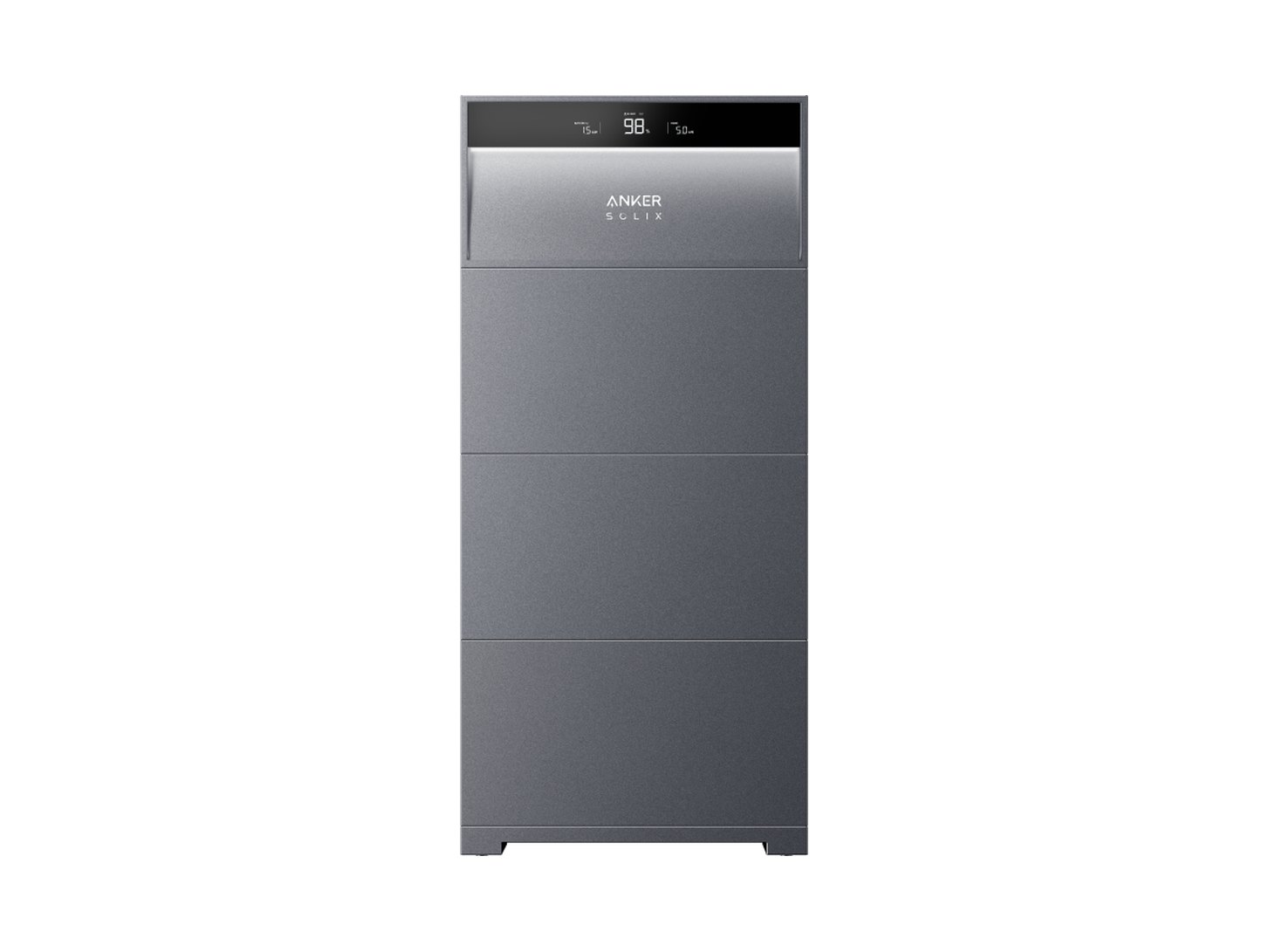
Our verdict
The Anker SOLIX X1 is a well-built, unusually slim modular battery with a polished app, strong coastal protection and mid-market pricing. The trade-offs are a warranty that counts every kWh you discharge, so heavy daily cycling can use it up before 10 years, and a 6 kW ceiling per single-phase power module.
- Best for
- Homes with tight wall space or coastal exposure wanting a tidy, app-driven battery, especially added to existing solar
- Look elsewhere if
- Homes planning to cycle a large battery hard every day, or needing more than 6 kW of single-phase backup from one unit
- Price guide
- About A$8,300 to A$10,100 installed for 10 to 15 kWh after the federal battery discount (SolarQuotes May 2026 prices plus A$3,000 installation); roughly A$2,500 to A$3,700 more before the discount
- Warranty
- 10 years on power and battery modules, with 70% retained capacity or 2.8 MWh of discharge per kWh (14 MWh per 5 kWh module), whichever comes first, for all uses
Pros
04- Only 150 mm deep and 670 mm wide, wall or floor mounted, with extra modules able to sit in a second column
- C5-M corrosion rating (for installs at least 300 m from the coast) and IP66 on hybrid power modules and battery modules
- Sold as an AC-coupled unit for existing solar or as single-phase and three-phase hybrids, all using the same 5 kWh modules
- Every configuration from 5 to 30 kWh is on the CEC approved battery list, with usable capacity equal to nominal
Cons
05- The battery warranty ends at 14 MWh of discharge per module for every use, so a battery cycled fully once a day reaches the cap in under eight years
- Single-phase output tops out at 6 kW per power module (3 kW with one module), and AC-coupled output derates above 45 °C
- The AC-coupled version cannot be paralleled and cannot use your existing solar in a blackout unless you add the Power Dock Pro
- Warranty covers only units bought from Anker or its listed partners and excludes corrosion and rust, despite the C5-M rating
- A newer entrant: Anker's home batteries have been sold in Australia only since late 2024, so long-term local support is unproven
The Anker SOLIX X1 is a modular home battery from Anker Innovations, the Chinese company better known for phone chargers and power banks. It stacks a power module on top of 5 kWh battery modules in a column only 150 mm deep, and Anker sells it in Australia as an AC-coupled unit for homes that already have solar, or as single-phase and three-phase hybrids for new solar and battery installs. SolarQuotes says Anker’s home batteries reached Australia in the second half of 2024. Installers on Anker’s certified list usually quote it against the Sigenergy SigenStor, the Tesla Powerwall 3 and AlphaESS. This review is based on manufacturer documentation, warranty terms, published pricing and owner/installer feedback; Solar Cobber did not test the product and was not paid by the manufacturer. Below we cover which X1 version suits which home, what it costs in October 2026, and the warranty clause that matters most.
What it is and how it works
Every X1 system has two parts: a power module (the inverter and controls, with a display strip and light bar) and one to six 5 kWh lithium iron phosphate battery modules. In Australia there are three power modules:
- AC-coupled (X1-P6K-S). A battery inverter that connects at the switchboard and charges from your existing solar inverter, whatever the brand. The CEC lists these as complete systems from X1-P6K-B05-S (5 kWh) to X1-P6K-B30-S (30 kWh).
- Single-phase hybrid (X1-H5K-S and X1-H6K-S). Your solar panels connect directly to the power module. Anker’s AU warranty also lists 3.68 kW and 4.6 kW versions.
- Three-phase hybrid (X1-H5K-T to X1-H12K-T). For three-phase homes, with 5 to 12 kW of output.
The modules stack without separate cabling. On the floor, Anker allows up to five battery modules plus the power module in one column; on a wall, up to four, with any extra modules in a second column. Anker says each battery module has its own energy optimiser and charges and discharges independently, which should make it easier to mix older and newer modules.
In 2026 Anker added the Power Dock Pro, a 63 A gateway that sits between the grid, the X1 and your switchboard. Anker says it allows whole-home backup without splitting off essential circuits (for homes with a main breaker of 63 A or less), includes its own metering, and has a Smart Port that lets an existing third-party solar inverter keep running in a blackout. It supports two X1 systems in parallel, for up to 12 kW single phase or 24 kW three phase. We could not find a published Australian price for it.
Anker’s Australian importer is Anker Innovations Australia Pty Ltd in Scoresby, Victoria, and Anker publishes a list of certified installers by state on its AU website.
Specs that matter in Australia
Power and backup. Each 5 kWh module is rated at 3 kW, so a one-module system gives only 3 kW. With two or more modules, the AC-coupled unit delivers 6 kW (6.6 kVA peak) and 12 kVA for 10 seconds for motor starts. The single-phase hybrids give 5 or 6 kW. That is enough for most evening loads but not a ducted air conditioner plus oven plus kettle at once. To go beyond 6 kW on single phase you need two hybrids in parallel, because the AC-coupled model cannot be paralleled.
Solar in a blackout. SolarQuotes notes that only the hybrid versions can recharge from solar during an outage. With the AC-coupled unit, your existing solar inverter switches off when the grid fails, unless you add the Power Dock Pro, whose Smart Port Anker says keeps third-party solar running.
Heat. The system operates from -20 to 55 °C, but the AC-coupled module drops from 6.6 kVA to 6 kW above 45 °C, and the hybrids also derate above 45 °C. Anker’s warranty recommends 15 to 30 °C for the longest battery life, so a shaded wall or garage is better than a west-facing wall in Perth or western Sydney.
Coastal installs. The C5-M corrosion rating is a genuine selling point for seaside suburbs, and one Whirlpool owner close to the ocean chose it for that reason. But Anker’s own brochure says the X1 must be at least 300 m from the coast, and the warranty excludes corrosion and rust.
Ingress rating. The hybrid power modules and battery modules are rated IP66. Anker’s brochure says the AC-coupled power module is IP65.
Single or three phase. Three-phase homes should look at the three-phase hybrid, which backs up all three phases. A single-phase X1 on a three-phase home covers only one phase. See our guide to single vs three phase power.
Efficiency. Anker quotes up to 90.2% round-trip efficiency, AC to battery to AC, at 25 °C for the AC-coupled model. That is an AC-to-AC figure, which includes two conversions. Solar charging through a hybrid involves fewer conversion steps.
VPPs and export limits. Anker’s AU page says the X1 works with leading VPP providers, and Whirlpool owners report Amber SmartShift support. Anker also publishes a guide for Victoria’s emergency backstop requirement. Before joining a virtual power plant, read the warranty section below, because every kWh traded counts against the throughput limit.
Price in Australia
SolarQuotes’ May 2026 list gives these approximate X1 prices after the federal battery discount, including GST and excluding installation:
| Anker SOLIX X1 | Usable capacity | Approx. price after federal discount, before installation | Approx. installed (plus A$3,000) |
|---|---|---|---|
| X1 10 kWh | 10 kWh | A$5,300 | A$8,300 |
| X1 15 kWh | 15 kWh | A$7,100 | A$10,100 |
| X1 20 kWh | 20 kWh | A$9,300 | A$12,300 |
| X1 25 kWh | 25 kWh | A$11,500 | A$14,500 |
| X1 30 kWh | 30 kWh | A$14,000 | A$17,000 |
The installed column adds the A$3,000 installation cost SolarQuotes uses in its worked examples. Real quotes vary: Whirlpool owners in late 2025, when the discount was higher, reported A$12,500 for a 15 kWh X1 with a new 6.6 kW solar system in Victoria, and A$14,500 for 30 kWh on two 5 kW hybrids with existing solar, plus A$1,000 for backup circuits.
The federal discount. From May to December 2026 the Cheaper Home Batteries Program pays 6.8 STCs per usable kWh for the first 14 kWh (about A$250 per kWh at roughly A$37 per STC), 60% of that rate from 14 to 28 kWh and 15% from 28 to 50 kWh. That is about A$2,500 on 10 kWh, A$3,700 on 15 kWh, A$4,400 on 20 kWh and A$5,700 on 30 kWh. Because the discount tapers, the cost per kWh barely falls above 15 kWh. The factor drops to 5.7 on 1 January 2027. Our federal battery rebate guide has the details.
On SolarQuotes’ figures the X1 sits mid-market: cheaper than a SigenStor at similar capacity, well below a Powerwall 3 per kWh, and dearer than AlphaESS. Price drivers are the power module type, extra hybrids for more output, backup wiring or a Power Dock Pro, and switchboard work.
Warranty: the fine print
Anker’s X1 Home Energy Storage System Warranty Policy for Australia (effective 23 March 2026) sets these terms:
- Term: 10 years from installation for power modules, battery modules and the Power Dock Pro. The WLAN dongle and mobile dongle (including its data plan) get 5 years, and the power sensor (meter) 2 years.
- Battery limit: at least 70% of initial capacity over 10 years, or a cumulative discharge throughput of 14 MWh per 5 kWh module (28 MWh for 10 kWh, 42 MWh for 15 kWh, 84 MWh for 30 kWh), whichever comes first.
- No unlimited-cycle category. Unlike Tesla and Sungrow, Anker counts throughput for every use, including normal self-consumption. A 15 kWh system discharging 15 kWh every day uses about 5.5 MWh a year and would reach its 42 MWh cap in under eight years. A home cycling 10 kWh a day on the same system would reach the 10-year term first.
- Power module cover is time-based only and separate from the battery warranty.
- Where you buy matters. Cover applies to purchases from Anker’s website or partners listed on it; otherwise you must send your receipt to Anker for confirmation. It is void if the product leaves the country of purchase.
- Exclusions include corrosion and rust, installation not done by a certified installer, damage from third-party components, inadequate ventilation, reinstallation in a new place, and dismantling, installation or troubleshooting costs.
- Battery care: if the battery reaches 0% state of charge, it must be recharged within seven days, or resulting damage is not covered.
- Remedy: Anker may supply new or refurbished parts or a replacement unit, which carries only the remainder of the original warranty. Refunds are a last resort.
The policy does not say whether the warranty transfers to a new owner if you sell the house, so ask Anker before relying on it. Claims go to Anker by email (support@ankersolix.com) or its AU phone line, and Australian Consumer Law guarantees apply in addition.
What owners and installers report
Ratings. As of 14 October 2026, SolarQuotes shows 719 owner reviews for Anker SOLIX: 708 five-star, 9 four-star, 1 two-star and 1 one-star. Most carry a star rating without comments, and at least one is flagged as incentivised by the installer, so the near-perfect score says more about smooth installs than long-term reliability. SolarQuotes’ own verdict is that Anker’s systems still need more time “out in the wild” in Australia.
Praise. Owners on SolarQuotes and Whirlpool consistently mention the slim, good-looking design, the polished app and Amber compatibility. One Whirlpool owner chose it because it fitted a narrow garage wall that a wider battery would not, and said their long-standing installer now prefers the brand for its support and low fault rate.
Complaints and cautions. The recurring themes are:
- Price. Several Whirlpool posters argue that similar capacity from Neovolt or AlphaESS costs less, and that Anker’s home battery history is short.
- Control options. UK owners on Reddit have complained about limited manual discharge settings, and an Australian owner’s YouTube video lists app features he wants added, including manual import and export controls.
Anker pushes firmware updates remotely and publishes release notes on its support site. We found no ACCC recall for the X1, though we could not query the recall database directly.
Anker SOLIX X1 vs alternatives
| Anker SOLIX X1 | Tesla Powerwall 3 | Sigenergy SigenStor | AlphaESS SMILE-G3 | |
|---|---|---|---|---|
| Usable capacity per system | 5 to 30 kWh (5 kWh modules) | 13.5 kWh per unit | 5.2 to 46.8 kWh | 9.3 to 37.2 kWh (S5) |
| Inverter | Built-in: 6 kW AC-coupled, 5 or 6 kW single-phase hybrid, 5 to 12 kW three phase | Built-in 10 kW single-phase hybrid | Built-in 3 to 30 kW hybrid controller | Built-in 5 kW single-phase or 5 to 20 kW three-phase hybrid |
| Three-phase backup | Yes, with three-phase hybrid | No (one phase only) | Yes, with three-phase controller | Yes, with three-phase T models |
| Retention and throughput | 70% at 10 years or 2.8 MWh per kWh, all uses | 70% at 10 years; unlimited cycles for self-use and backup | 70% at 10 years or about 3 MWh per kWh | 70% at 10 years or 3.12 MWh per usable kWh |
| Ingress rating | IP66 (IP65 AC-coupled module) | IP67 (wiring IP55) | IP66 | IP65 |
| Approx. price after federal discount, before installation (May 2026) | About A$7,100 for 15 kWh | About A$10,000 with Gateway | About A$8,600 for 15.6 kWh | About A$7,800 for 19.2 kWh |
Choose the X1 if space, looks or a coastal site matter and your usage will not cycle it hard every day. Choose a Tesla Powerwall 3 if you want 10 kW of single-phase output from one unit and a warranty with unlimited cycles for home use. The SigenStor suits larger systems and higher power, and AlphaESS is the cheaper all-in-one if budget comes first.
Questions to ask your installer
- Are you quoting the AC-coupled X1-P6K or a hybrid, and why does that suit my existing solar?
- How many kW of backup will I actually get, and which circuits are covered? Is a Power Dock Pro included?
- How many kWh a day do you expect the battery to discharge, and when would that reach Anker’s 14 MWh-per-module limit?
- Are you on Anker’s certified installer list, so the warranty is valid?
- Will the system be installed in shade and out of rain, and how far is my home from the coast?
- Which VPP or retailer plan do you recommend, and how does it affect the throughput warranty?
- How many STCs have you claimed for the federal discount, and is any state rebate included?
- Will you do the installation yourselves or use a subcontractor?
FAQ
Is the Anker SOLIX X1 available in Australia?
Yes. Anker sells the AC-coupled, single-phase hybrid and three-phase hybrid versions in Australia through certified installers listed on its AU website, and all 5 to 30 kWh configurations are on the CEC approved battery list.
How much does an Anker SOLIX X1 cost in Australia?
SolarQuotes’ May 2026 list puts a 10 kWh X1 at about A$5,300 and 15 kWh at about A$7,100 after the federal discount, before installation. Expect roughly A$8,300 to A$10,100 installed for 10 to 15 kWh.
Can the Anker X1 work with my existing solar?
Yes, the AC-coupled X1-P6K works alongside any existing solar inverter. It cannot recharge from that solar during a blackout unless you add the Power Dock Pro.
Does the Anker X1 provide whole-home backup?
It can with the Power Dock Pro, for homes with a main breaker of 63 A or less, but output is still limited to 6 kW per single-phase power module, or 12 kW with two in parallel.
How long is the Anker SOLIX X1 warranty?
Ten years, but the battery cover also ends once each 5 kWh module has discharged 14 MWh, whichever comes first, and that limit applies to every use.
Can I install the Anker X1 outside?
Yes. The hybrid modules are rated IP66 and the AC-coupled module IP65, and the system has a C5-M corrosion rating for sites at least 300 m from the coast. Shade still helps, because output derates above 45 °C.
Find an installer
The X1’s warranty depends on buying through Anker’s listed partners and using a certified installer, so check that first. Use our installer directory to compare local companies with recent battery jobs and reviews, and confirm the power module type, backup setup and discount on every quote.
Read next
Battery buying guides
Often quoted alongside
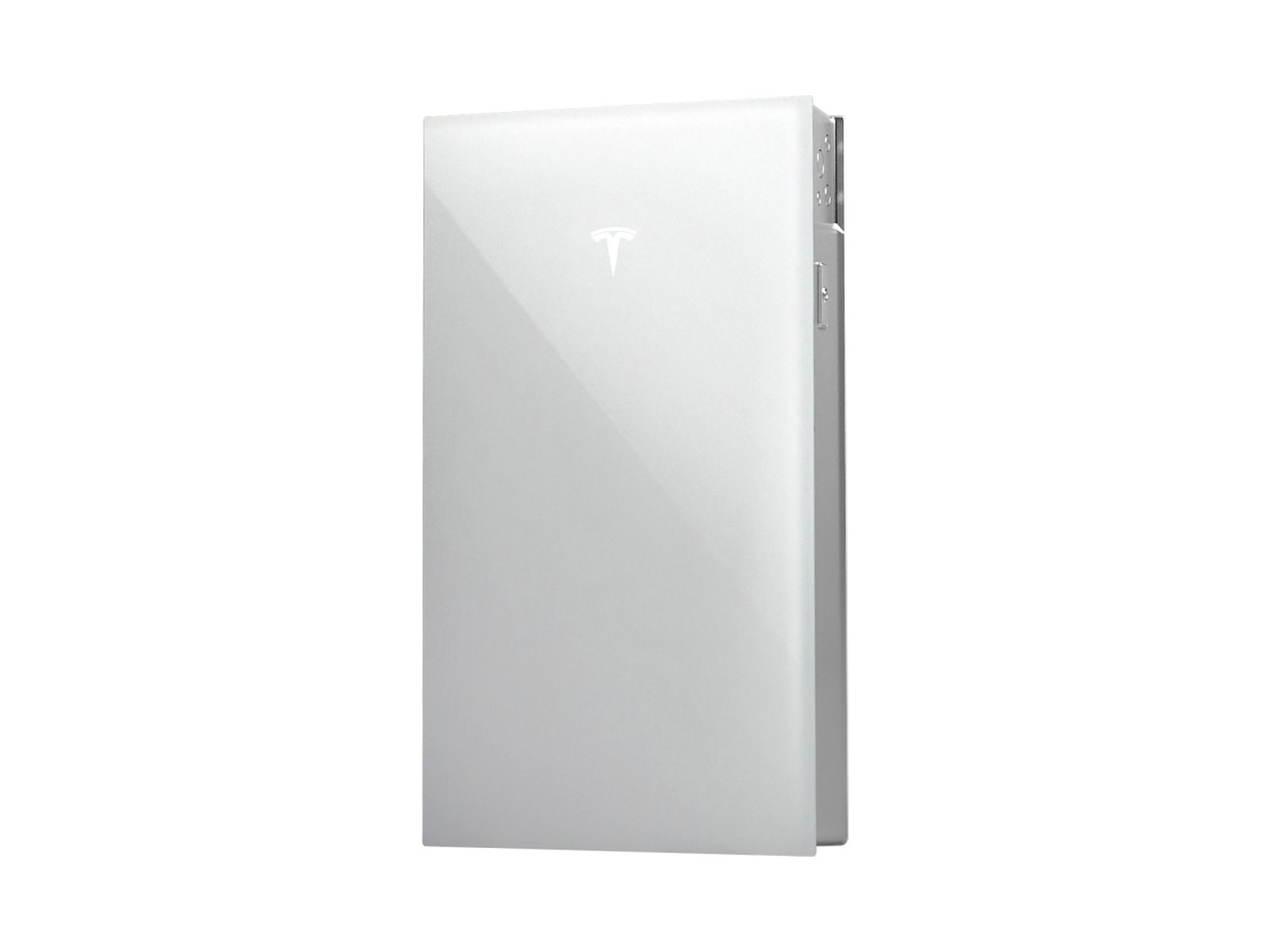
Tesla
Tesla Powerwall 3
Powerwall 3 is the simplest way to get a big-name 13.5 kWh battery and a 10 kW solar inverter in one box, with strong backup power and a polished app. The trade-offs are a premium price, a 5 kW charging cap and single-phase design that suits three-phase homes poorly.
Best for
Single-phase homes installing new solar and a battery together
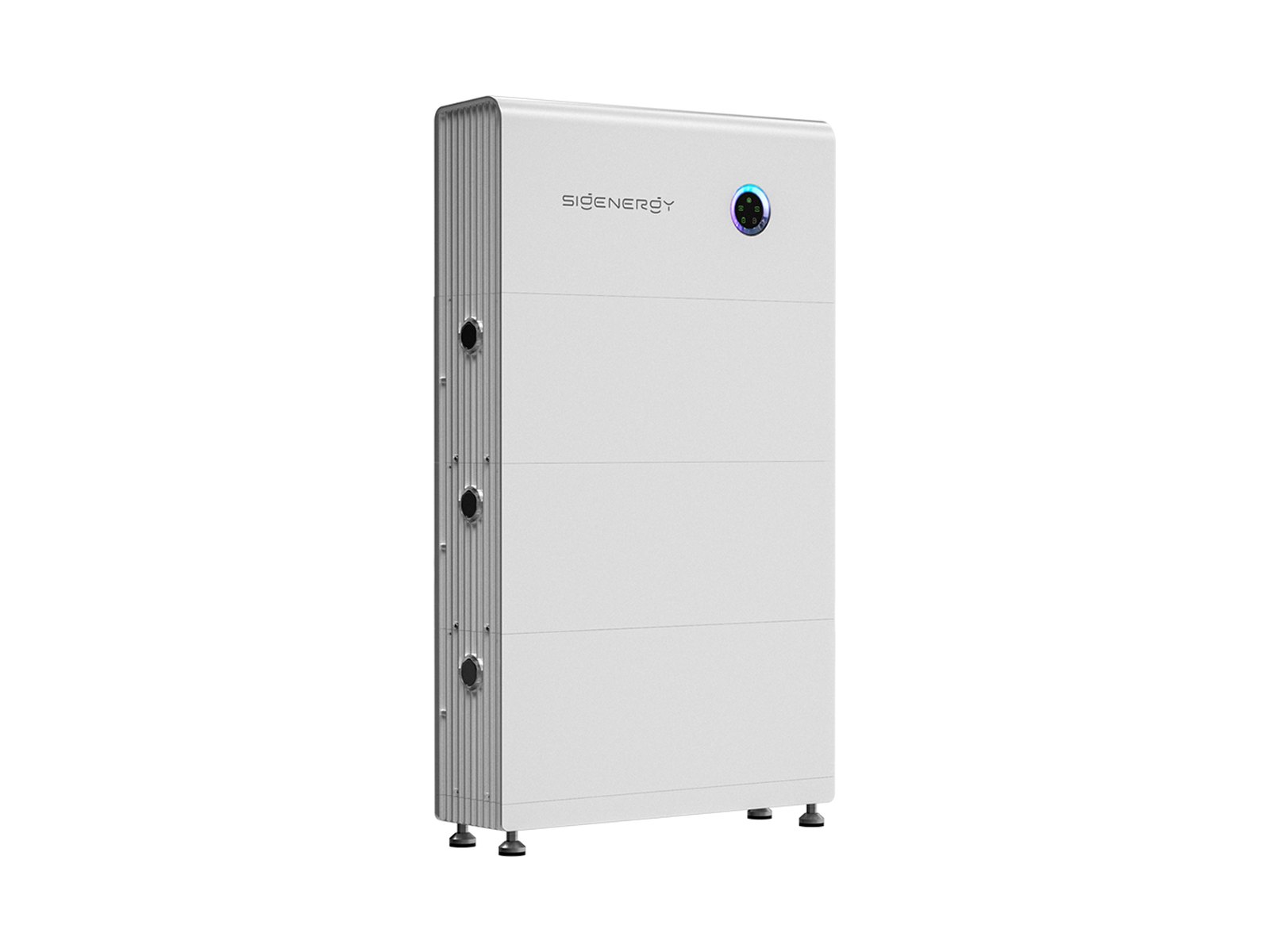
Sigenergy
Sigenergy SigenStor
SigenStor packs a hybrid inverter, battery and energy manager into one stack, with genuine three-phase options, IP66 weatherproofing and a very detailed app at a competitive price. The trade-offs are a young company with a 2025 recall on some single-phase controllers, mixed owner experiences with support, and a warranty that caps throughput for all uses.
Best for
Three-phase homes, or anyone wanting an all-in-one battery with room to add EV charging
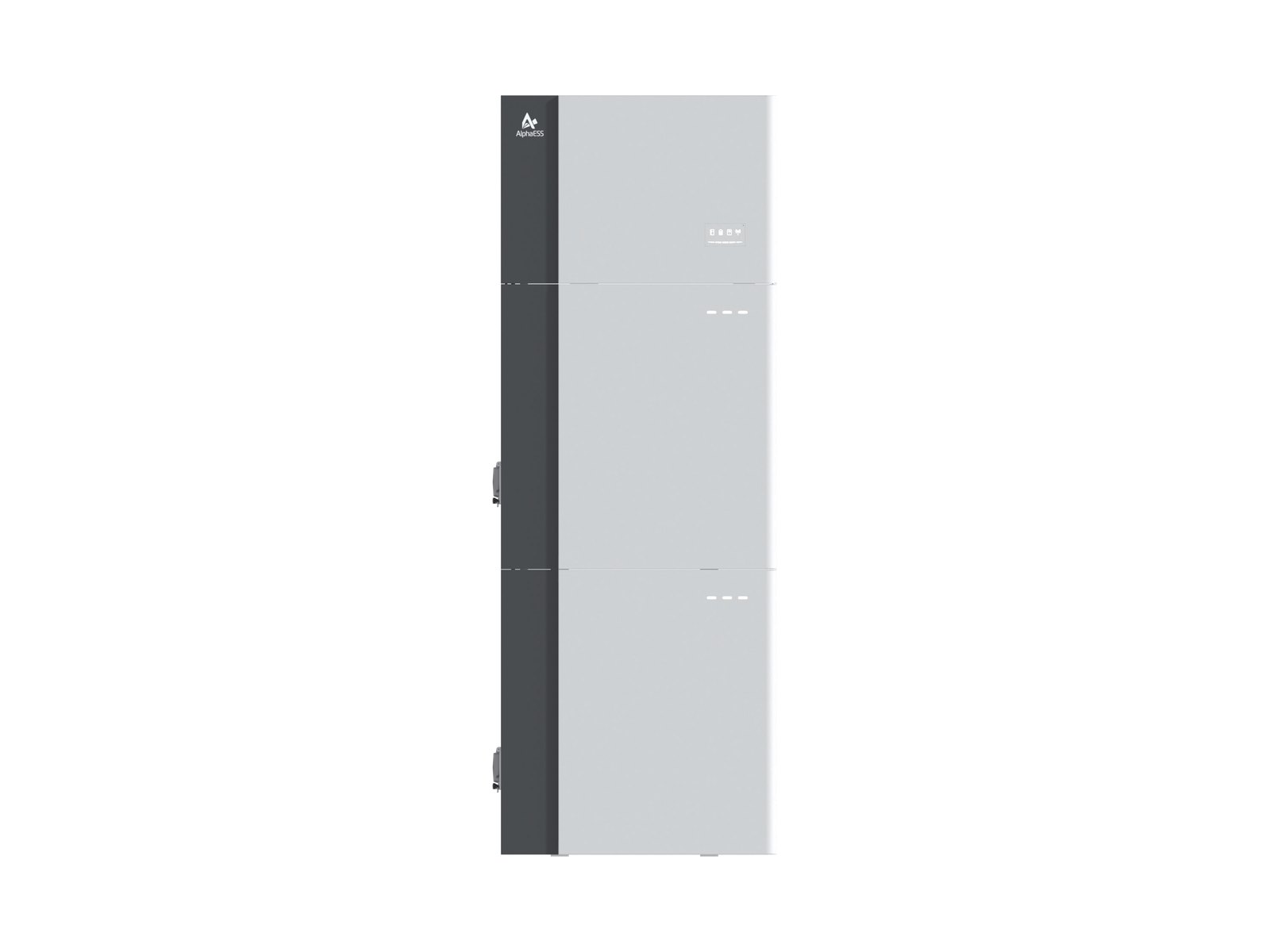
AlphaESS
AlphaESS SMILE-G3
The AlphaESS SMILE-G3 is one of the cheapest ways to get a CEC-listed all-in-one battery and hybrid inverter, with single-phase and three-phase versions and 9.3 kWh modules. The catch is AlphaESS's patchy support record, so the installer you choose matters as much as the hardware.
Best for
Budget-focused homes with a well-reviewed installer who has AlphaESS experience
Sources
Independent desk research by the Solar Cobber editorial team. We did not test this product and were not paid by the manufacturer. Solar Cobber is a free directory that may earn referral or advertising fees from installers; this never affects our reviews.
- 01Anker SOLIX AU: X1 home energy storage system and certified installer list
- 02Anker SOLIX AU: X1 Home Energy Storage System Warranty Policy (effective 23 March 2026)
- 03Anker SOLIX X1 Hybrid Three-Phase datasheet, Australia, 31 December 2025 (PDF)
- 04Anker SOLIX Australia 2025 brochure with AC-coupled, single-phase and three-phase X1 specifications (PDF, via Advanced Solar Technology)
- 05Clean Energy Council approved batteries list
- 06SolarQuotes: Anker Solix battery review and owner reviews
- 07SolarQuotes: Solar battery prices and system costs in Australia (May 2026)
- 08Energy Matters: Anker SOLIX Power Dock Pro delivers whole home backup (March 2026)
- 09Anker SOLIX support: Power Dock Pro single-phase installer guide
- 10Whirlpool Forums: Anker Solix Battery discussion
- 11Energy Matters: Cheaper Home Batteries Program changes from 1 May 2026
Get quotes for Anker SOLIX X1
Browse rated solar installers in your area, check their Google reviews, and ask at least three for itemised quotes. Our guide to comparing solar quotes explains what to look for.