
Home Battery Reviews Australia
Independent reviews of the home batteries Australian installers quote most often, with usable capacity, backup power, warranty throughput limits and installed price ranges in one place.
Based on manufacturer documentation, Australian warranty terms, published pricing and owner and installer feedback. Solar Cobber does not test products and is not paid by manufacturers.
Batteries compared
| # | Product | Best for | Price guide | Warranty |
|---|---|---|---|---|
| 01 | AlphaESS SMILE-G3 AlphaESS | Budget-focused homes with a well-reviewed installer who has AlphaESS experience | About A$7,600 installed for a roughly 10 kWh SMILE-G3-S5 after the federal battery discount (SolarQuotes May 2026 list price plus typical installation) | 10 years, with retained capacity of 70% or 3.12 MWh throughput per usable kWh, whichever comes first (systems installed from 1 November 2024) |
| 02 | Anker SOLIX X1 Anker SOLIX | Homes with tight wall space or coastal exposure wanting a tidy, app-driven battery, especially added to existing solar | About A$8,300 to A$10,100 installed for 10 to 15 kWh after the federal battery discount (SolarQuotes May 2026 prices plus A$3,000 installation); roughly A$2,500 to A$3,700 more before the discount | 10 years on power and battery modules, with 70% retained capacity or 2.8 MWh of discharge per kWh (14 MWh per 5 kWh module), whichever comes first, for all uses |
| 03 | BYD Battery-Box Premium BYD | Homes pairing a battery with a Fronius GEN24 Plus or another listed hybrid inverter | About A$8,100 for an HVM 13.8 (13.8 kWh) after the federal battery discount, plus a compatible hybrid inverter and installation (SolarQuotes, May 2026) | 10 years, with retained capacity of 70% or a minimum throughput of about 3 MWh per usable kWh, whichever comes first |
| 04 | Deye AI-W5.1-B Deye | Budget-minded homes wanting 10 to 30 kWh of low voltage storage from a Deye hybrid inverter or all-in-one | About A$366 to A$511 per usable kWh for the battery modules and PDU alone, before the federal discount and excluding inverter and installation (Buzz Energy listed prices, 14 November 2026) | 10 years, 70% retained capacity or 6,000 cycles, or 16 MWh throughput per 5.12 kWh module, whichever comes first (Australian warranty, January 2026) |
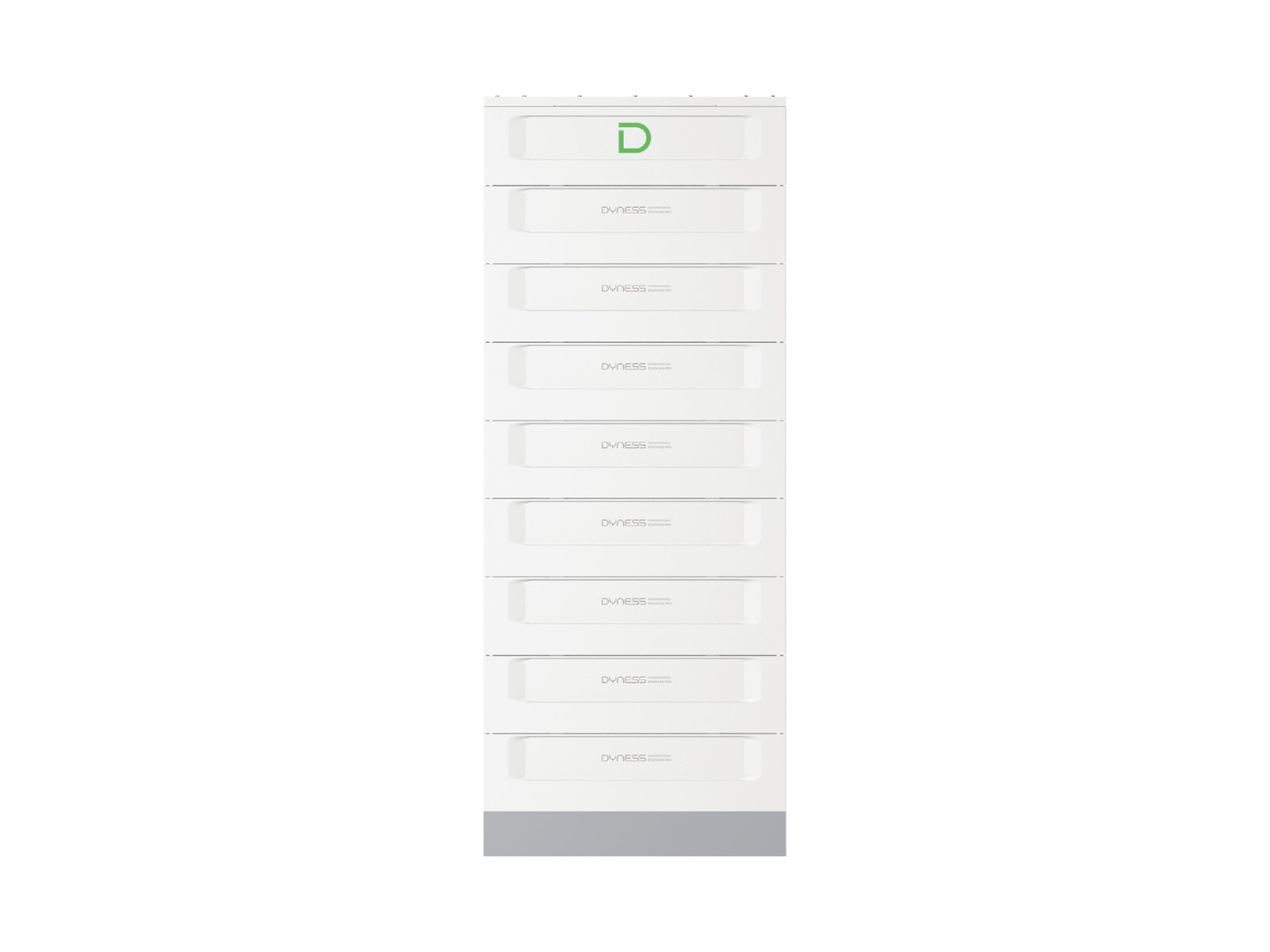
| 05 | Dyness STACK100 Pro Dyness | Value-focused homes pairing a battery with a GoodWe, Solis, Deye or similar hybrid, or large homes wanting 30 kWh or more | About A$9,800 installed for a 14.6 kWh Cygni before rebates, about A$5,900 after the federal discount (published Perth estimate, 2026); STACK100 Pro pricing not published | 10 years, with retained capacity of 70% or a throughput cap (about 3.65 MWh per kWh on STACK100 Pro, VPP use included), whichever comes first |
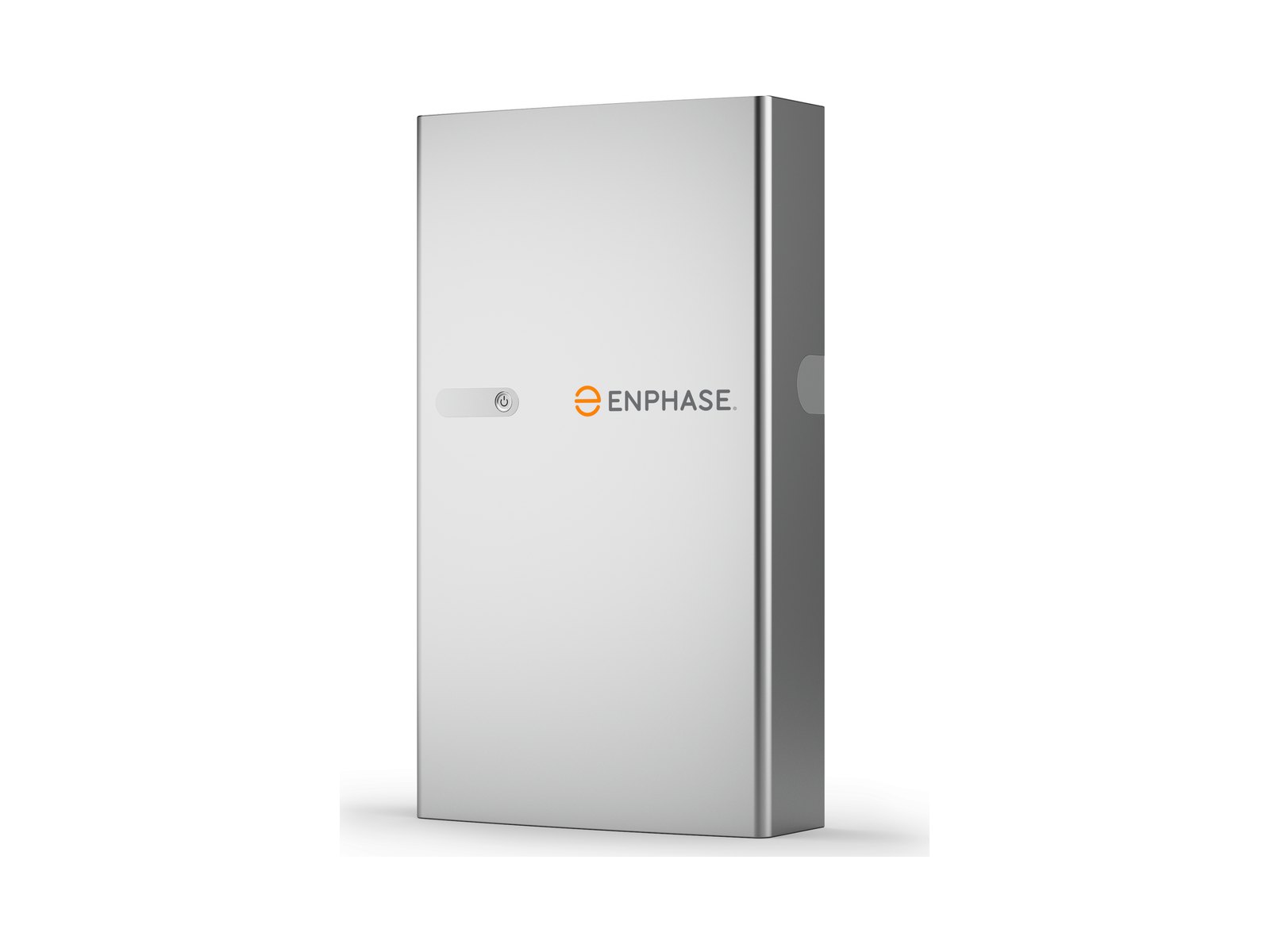
| 06 | Enphase IQ Battery 5P Enphase | Homes with Enphase microinverters wanting a modular, AC-coupled battery | About A$8,100 to A$10,100 installed for one 5 kWh unit plus IQ System Controller, before the Cheaper Home Batteries discount (mid-2026 published range) | 15 years or 6,000 cycles, whichever comes first, with 70% capacity at 10 years and 60% at 15 years |
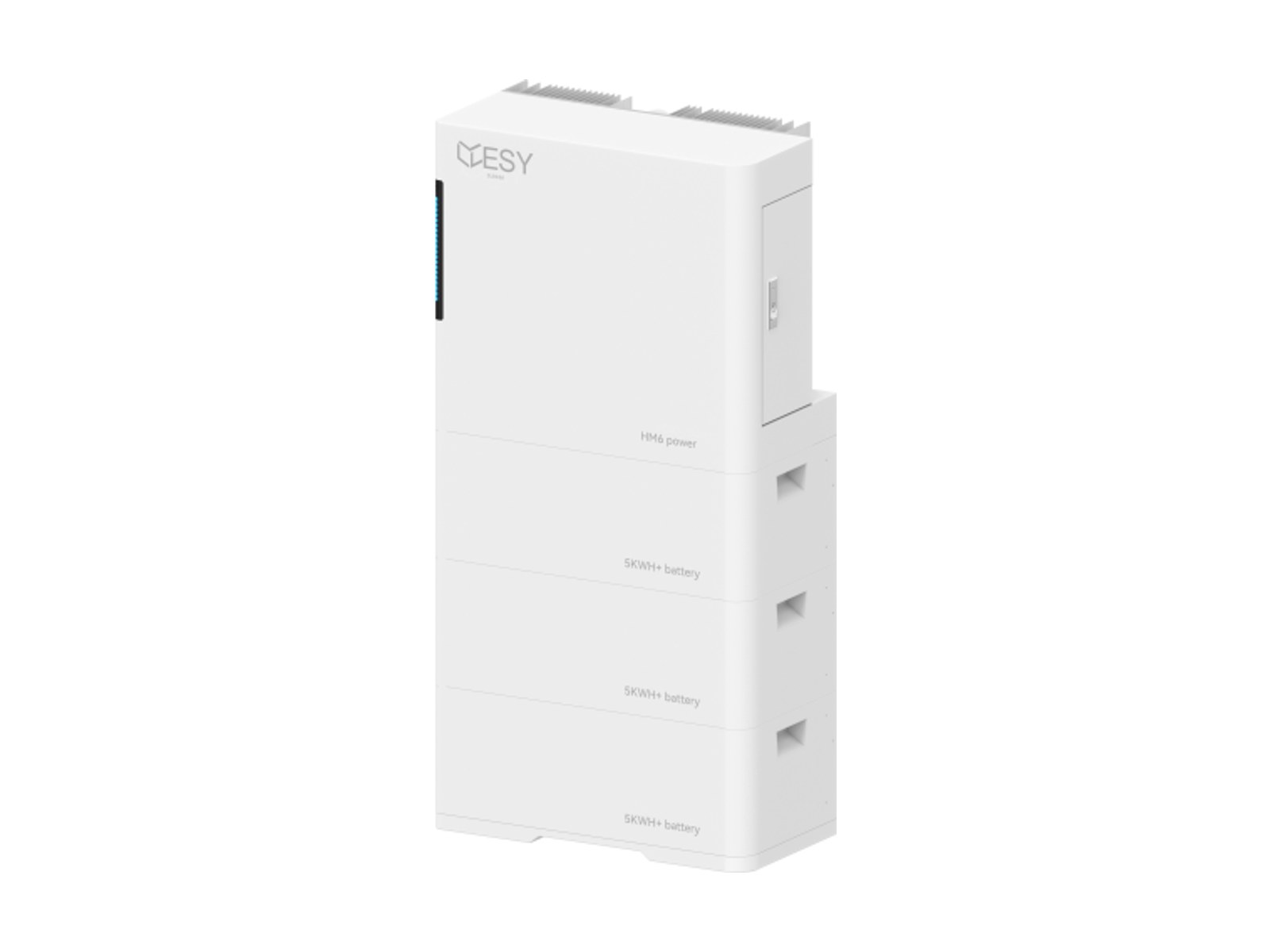
| 07 | ESY Sunhome HM6 ESY Sunhome | Single-phase homes wanting a large, low-cost all-in-one battery of 10 to 30 kWh | About A$5,500 for the HM6-15 (14.59 kWh usable) and A$10,300 for the HM6-30 (29.18 kWh), after the federal discount, GST included, excluding installation (SolarQuotes, 12 May 2026) | 10 years, retaining at least 70% of capacity, with a throughput limit of 21.5 MWh per 5.12 kWh module (about 4.2 MWh per kWh) |
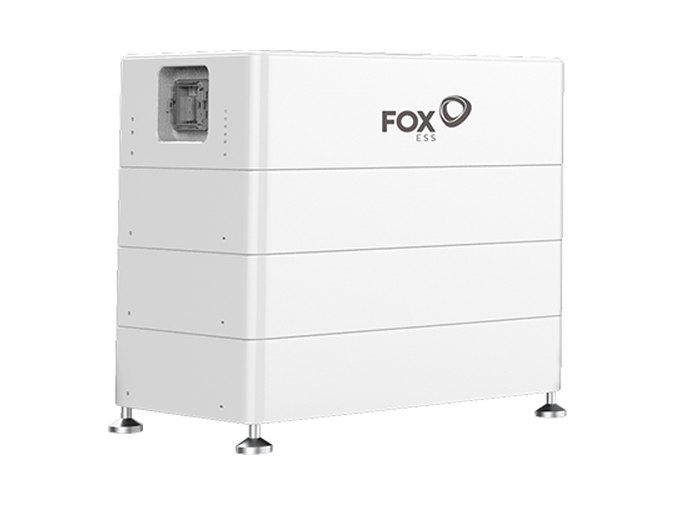
| 08 | Fox ESS EQ4800 Fox ESS | Budget-focused homes wanting 9 to 28 kWh of storage on a Fox ESS hybrid inverter | About A$4,000 (13.98 kWh) to A$13,000 (41.94 kWh) after the federal battery discount, battery only, excluding installation (SolarQuotes, 12 May 2026) | 10 years with at least 70% retained capacity, or a throughput cap (39.32 MWh for a two-module stack), whichever comes first |
| 09 | GoodWe Lynx Home F GoodWe | Homes wanting a mid-priced modular battery with a GoodWe hybrid or retrofit inverter | About A$11,100 installed for a 12.8 kWh system before the Cheaper Home Batteries discount, about A$7,900 after (March 2026 published estimate) | 10 years product and performance, with 70% retained capacity or a throughput cap (46.72 MWh for 12.8 kWh), whichever comes first |
| 10 | Growatt APX HV Growatt | Budget buyers with a Growatt MIN, MOD or MID hybrid who cycle the battery moderately | About A$7,500 to A$8,500 installed for 10 kWh, up to A$15,500 to A$18,000 for 30 kWh, before the federal battery discount (one installer's published table, Oct 2026) | 10 years, but retained capacity is guaranteed at only 70% for years 1 to 5 and 50% for years 6 to 10, with a 300 full cycles a year allowance; falls to 3 years if not kept on Growatt monitoring |
| 11 | Hinen Hinen | Homes wanting a 10 to 14 kWh battery with room to expand, and willing to read the warranty card before signing | Not published by Hinen. Retailer pages in July 2026 show about A$5,300 for a 10 kWh system and from A$9,999 to A$10,499 for larger packages, with rebate treatment unclear | 10 years on B5000 and B8900M-A (Hinen Australian service commitment); the B14400-H datasheet says 12 years or 63.07 MWh, so confirm in writing |
| 12 | Huawei LUNA2000 Huawei | Existing Huawei inverter owners adding 5 kWh modules while stock lasts | Not published | 10 years on the power module; battery modules 10 years or 16.45 MWh per 5 kWh module, to 60% end-of-life capacity, whichever comes first |
| 13 | iStore Smart Battery iStore | Homes buying an iStore hybrid inverter, or existing Huawei and iStore owners planning a new stack | About A$10,800 (10 kWh) to A$14,100 (15 kWh) installed for the S0 after the federal battery discount (SolarQuotes, May 2026); S1 prices not published | S1: 15 years or 28.84 MWh to 60% end-of-life capacity; S0: 10 years or 18.25 MWh to 70%, whichever comes first (iStore AU terms, March 2026) |
| 14 | Neovolt Neovolt | Budget single-phase homes whose installer confirms in writing that the exact Neovolt configuration is rebate-eligible | About A$8,100 to A$10,200 installed for 9.6 to 19.2 kWh after the federal battery discount, if the configuration is eligible (SolarQuotes May 2026 prices plus A$3,000 installation) | 12 years and 70% retained capacity on the BW-BAT-9.6P (10 years on the 10.1P and 4.8S); unlimited cycles for self-consumption, time-of-use and backup, 39.36 MWh cap per 9.6P for other uses |
| 15 | Pylontech Force H3 Pylontech | Homes wanting a 10 to 35 kWh outdoor-rated battery on an inverter from Pylontech's compatibility list, or an all-in-one H3X | About A$5,600 (9.7 kWh) to A$18,500 (34 kWh) for the Force H3X all-in-one after the federal discount, excluding installation (SolarQuotes, 12 May 2026) | 10 years; throughput cap of 3.0 MWh per kWh at 0.5C or less (Solar Choice, December 2025); retention term differs between document versions (60% in V1.2, 70% reported later) |
| 16 | SAJ B2 and B2S SAJ | Price-focused homes adding a battery to an SAJ hybrid inverter, with an installer who will handle support | Not published as a current retail range; owner quotes were about A$8,100 to A$8,900 installed with an H2 inverter and 18 to 20 kWh of B2 (Whirlpool, mid-2025, rebate treatment not stated); SolarQuotes lists a 10 kWh B2 at about A$5,500 (basis not stated) | B2 and B2S: 10 years, 60% retained capacity, or 3.06 MWh per usable kWh, whichever comes first (V4.0). HS5 EK90: 15 years, 70%, 4.4 MWh per usable kWh |
| 17 | Sigenergy SigenStor Sigenergy | Three-phase homes, or anyone wanting an all-in-one battery with room to add EV charging | About A$9,300 to A$11,000 installed for a 13 kWh single-phase SigenStor, after the federal battery discount (SolarQuotes 2026 figures) | 10 years, with retained capacity of 70% or a minimum throughput of about 3 MWh per usable kWh, whichever comes first |
| 18 | Sofar BTS and PowerAll Sofar | Single-phase homes wanting a large battery at the lowest price per kWh and happy with 5 kW of power | About A$3,500 (10 kWh) to A$9,000 (30 kWh) for a PowerAll after the federal discount, GST included, excluding installation (SolarQuotes, May 2026) | 10 years, retaining 70% of usable energy, or a throughput limit of 18.25 MWh per BTS 5K module (about 3.7 MWh per kWh), whichever comes first |
| 19 | SolarEdge Home Battery SolarEdge | Homes with SolarEdge optimisers and a SolarEdge Home Hub inverter | Not published | 10 years with 70% retained capacity; the 48V version is also capped at 2.87 MWh per usable kWh and requires 0°C to 40°C ambient for 95% of the term |
| 20 | SolaX Triple Power SolaX | Budget-minded homes wanting a 15 kWh or larger modular battery with a SolaX hybrid inverter | About A$6,800 to A$20,000 for 10.2 to 40.9 kWh TSYS-HS51 stacks after the federal discount, battery only, excluding installation (SolarQuotes, May 2026) | 10 years, with at least 70% retained capacity; 6,000 cycles for daily self-consumption and backup, throughput caps (30.2 MWh for 10.2 kWh) for other uses |
| 21 | Solplanet Ai-HB Solplanet | Budget-minded homes wanting a modular LFP battery paired with a Solplanet hybrid inverter, especially three phase | About A$390 to A$590 per usable kWh for the battery hardware alone at one Australian online retailer (PowerBay, 14 November 2026); no published installed price for Solplanet batteries | 10 years, retaining 70% of usable energy or reaching a minimum throughput of about 2.7 to 3.0 MWh per usable kWh, whichever comes first |
| 22 | Sungrow SBH Sungrow | Large or three-phase homes wanting 20 kWh or more and whole-home backup on a Sungrow SH-T hybrid | About A$11,700 (20 kWh SBH200) to A$23,700 (40 kWh SBH400) after the federal battery discount, battery only, excluding the inverter and installation (SolarQuotes, May 2026) | 10 years, with retained capacity of 70% (unlimited cycles for self-consumption and backup; throughput caps, and from May 2026 temperature conditions, apply) |
| 23 | Sungrow SBR Sungrow | Homes wanting a modular battery paired with a Sungrow hybrid inverter | About A$8,800 to A$14,700 installed for 12.8 kWh with a Sungrow hybrid inverter, after the federal battery discount (2026 published figures) | 10 years, with retained capacity of 70% (unlimited cycles for self-consumption and backup; throughput limits apply to other uses) |
| 24 | Tesla Powerwall 3 Tesla | Single-phase homes installing new solar and a battery together | About A$15,000 to A$17,000 installed for 13.5 kWh before the federal battery discount, roughly A$3,400 less after it (2026 market range) | 10 years, with retained capacity of 70% (unlimited cycles for self-consumption, time-of-use and backup; 37.8 MWh throughput cap for other uses) |
Prices are indicative Australian market ranges at the time of writing. Always compare itemised quotes.
All batteries reviews
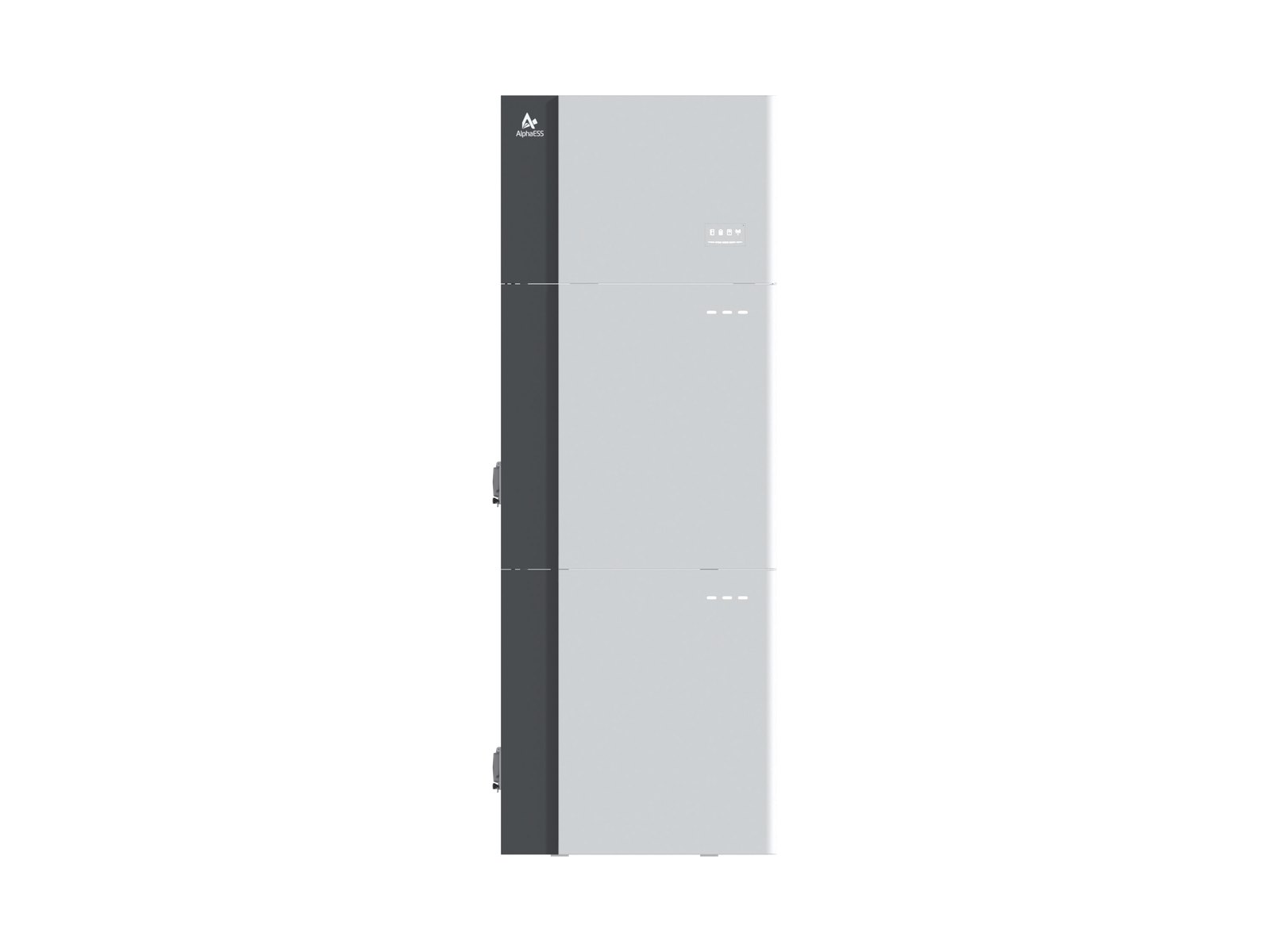
AlphaESS
AlphaESS SMILE-G3
The AlphaESS SMILE-G3 is one of the cheapest ways to get a CEC-listed all-in-one battery and hybrid inverter, with single-phase and three-phase versions and 9.3 kWh modules. The catch is AlphaESS's patchy support record, so the installer you choose matters as much as the hardware.
Best for
Budget-focused homes with a well-reviewed installer who has AlphaESS experience
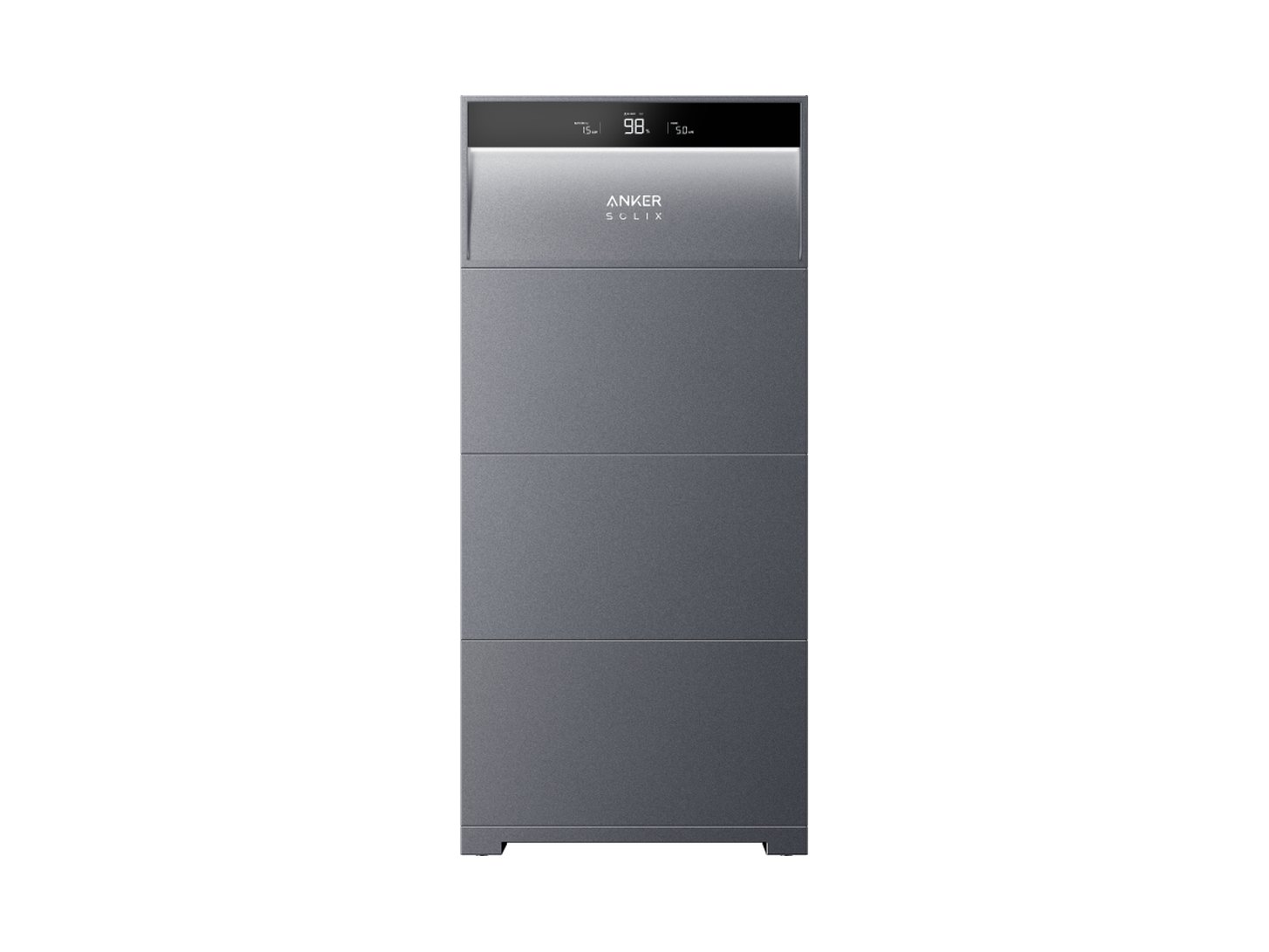
Anker SOLIX
Anker SOLIX X1
The Anker SOLIX X1 is a well-built, unusually slim modular battery with a polished app, strong coastal protection and mid-market pricing. The trade-offs are a warranty that counts every kWh you discharge, so heavy daily cycling can use it up before 10 years, and a 6 kW ceiling per single-phase power module.
Best for
Homes with tight wall space or coastal exposure wanting a tidy, app-driven battery, especially added to existing solar
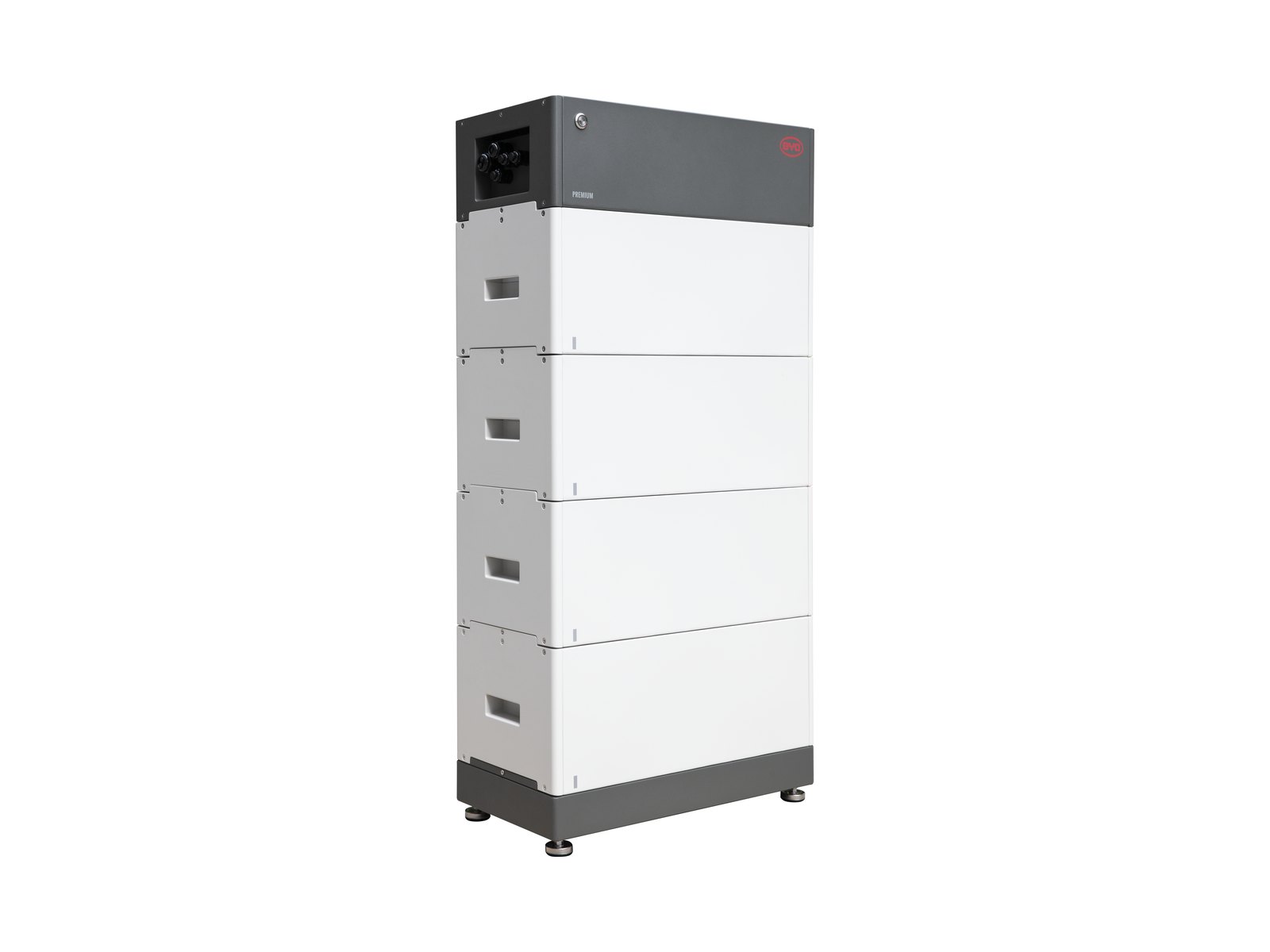
BYD
BYD Battery-Box Premium
The BYD Battery-Box Premium is a proven, stackable battery that works with more inverter brands than most, which makes it the default partner for Fronius hybrid systems. Its warranty ends at a throughput cap for every type of use, so households that cycle hard every day may run out of cover before 10 years.
Best for
Homes pairing a battery with a Fronius GEN24 Plus or another listed hybrid inverter
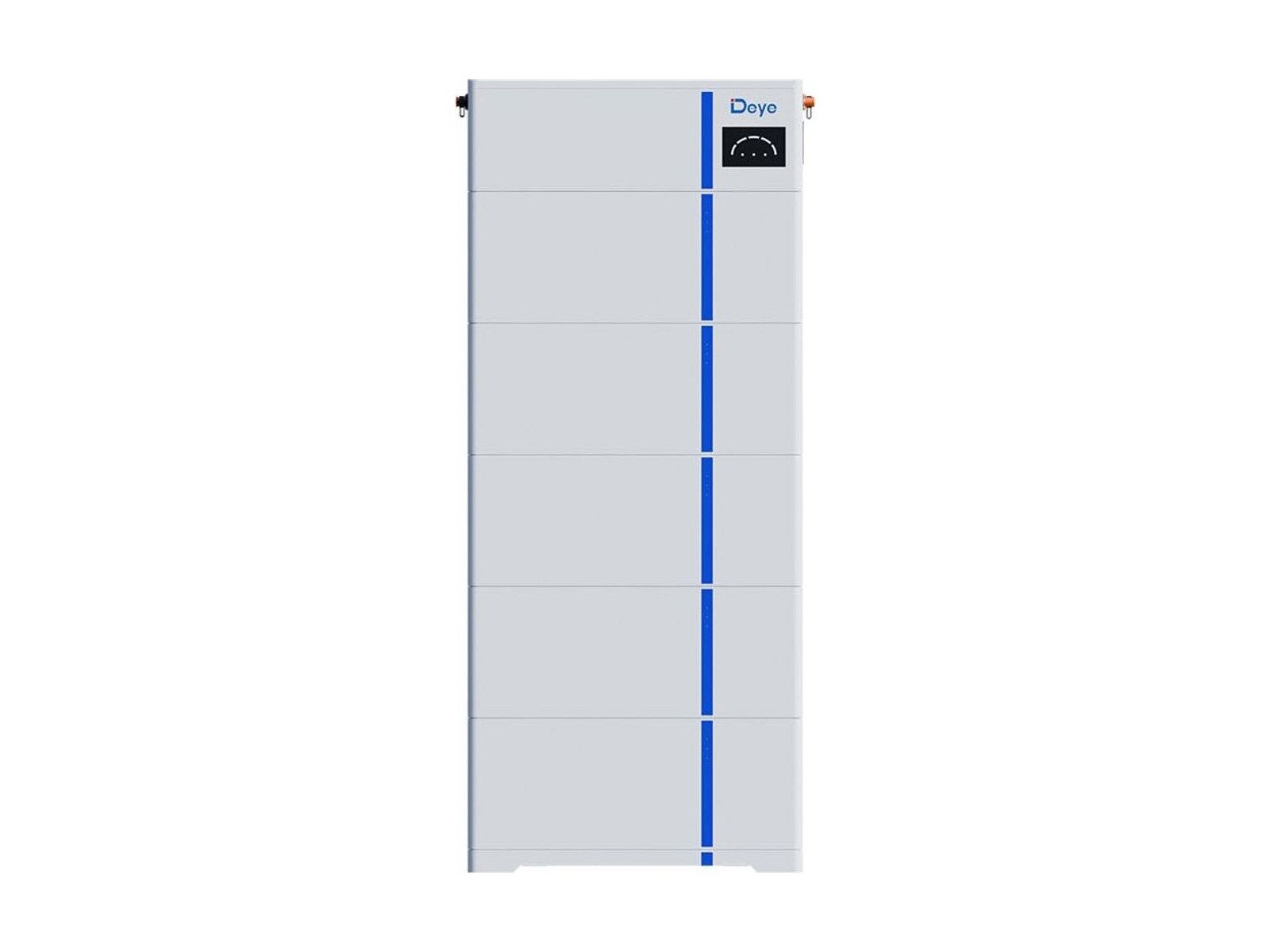
Deye
Deye AI-W5.1-B
The Deye AI-W5.1-B is one of the cheapest CEC-listed batteries in Australia per usable kWh, in 5.12 kWh steps that suit homes adding capacity gradually. The trade-offs are a warranty that only holds with a Deye-certified inverter, a short Australian track record with very little independent feedback, and a throughput cap of about 3.1 MWh per kWh.
Best for
Budget-minded homes wanting 10 to 30 kWh of low voltage storage from a Deye hybrid inverter or all-in-one
Dyness
Dyness STACK100 Pro
Dyness now has a credible Australian line-up led by the IP66 STACK100 Pro and the Cygni all-in-one, with a throughput allowance that explicitly covers VPP use and works with many hybrid inverter brands. The trade-offs are a short local track record, strict claim deadlines and coastal exclusions, and mixed-brand systems where the battery and inverter makers can blame each other.
Best for
Value-focused homes pairing a battery with a GoodWe, Solis, Deye or similar hybrid, or large homes wanting 30 kWh or more
Enphase
Enphase IQ Battery 5P
The IQ Battery 5P is the cleanest way to add storage to an Enphase microinverter home, with a 15-year warranty and no high-voltage DC on the wall. The trade-off is cost per kWh and modest power per unit, so you pay more and need several units to run big loads in a blackout.
Best for
Homes with Enphase microinverters wanting a modular, AC-coupled battery
ESY Sunhome
ESY Sunhome HM6
The ESY Sunhome HM6 is one of the cheapest all-in-one batteries per usable kWh in Australia, with a generous throughput allowance and a built-in 6 kW inverter. The trade-offs are a 6 kW ceiling on solar charging and backup, a short track record, and a warranty with strict conditions: it needs a constant internet connection and expansion only within the first year.
Best for
Single-phase homes wanting a large, low-cost all-in-one battery of 10 to 30 kWh
Fox ESS
Fox ESS EQ4800
The Fox ESS EQ4800 delivers a lot of storage for the money and has become one of the most installed batteries in Australia since the federal rebate began. The trade-offs are a support track record still catching up with sales, no cell heating for cold-climate charging, and owner reports of real capacity falling short on the biggest stacks.
Best for
Budget-focused homes wanting 9 to 28 kWh of storage on a Fox ESS hybrid inverter
GoodWe
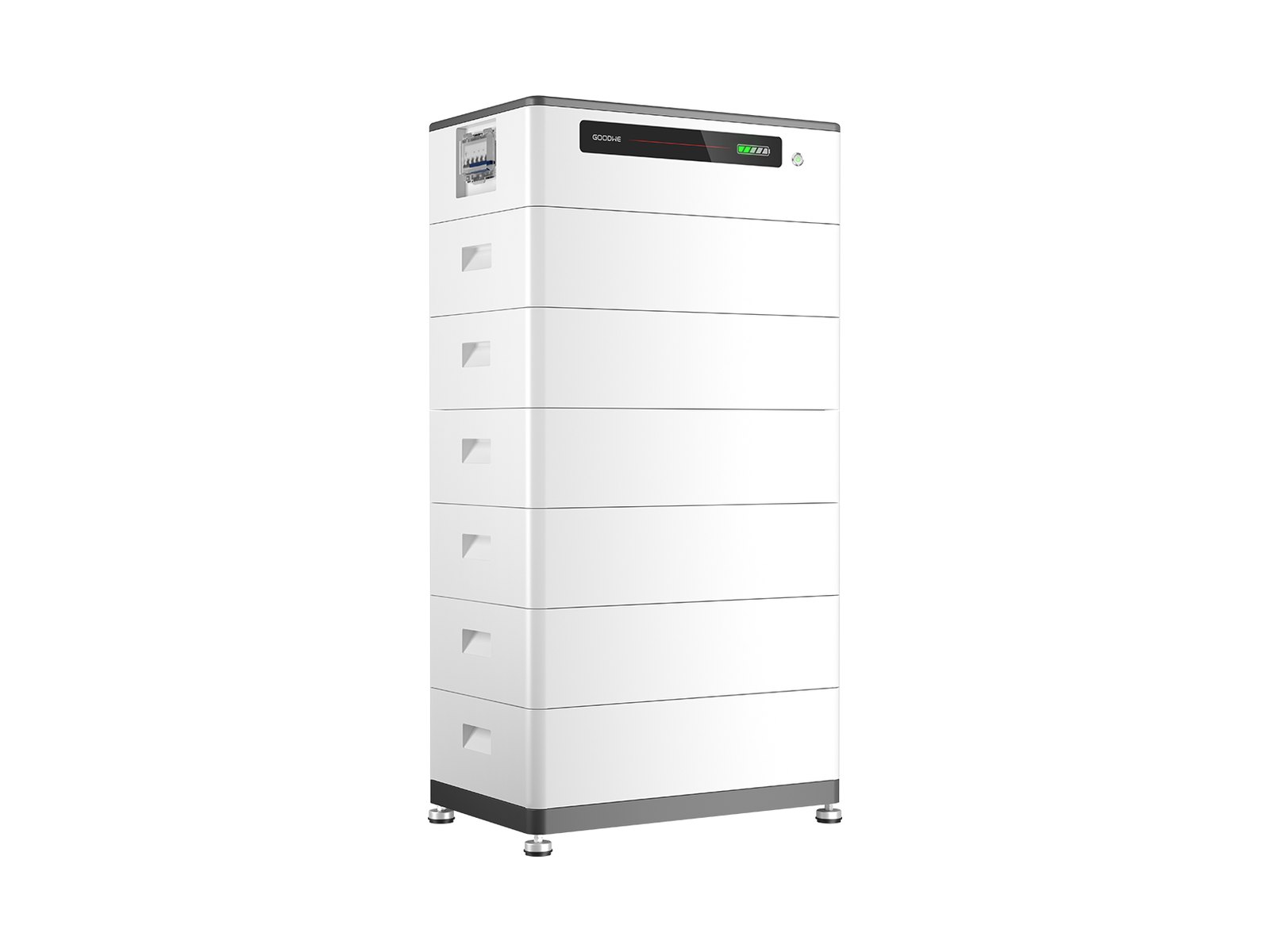
GoodWe Lynx Home F
The GoodWe Lynx F is a sensible, well-priced modular battery with strong owner ratings, and the current G2 version stretches to 28.8 kWh on one tower. The catch is a warranty with more conditions than most, including a GoodWe-inverter requirement, a mandatory internet connection and a one-year window to add modules.
Best for
Homes wanting a mid-priced modular battery with a GoodWe hybrid or retrofit inverter
Growatt
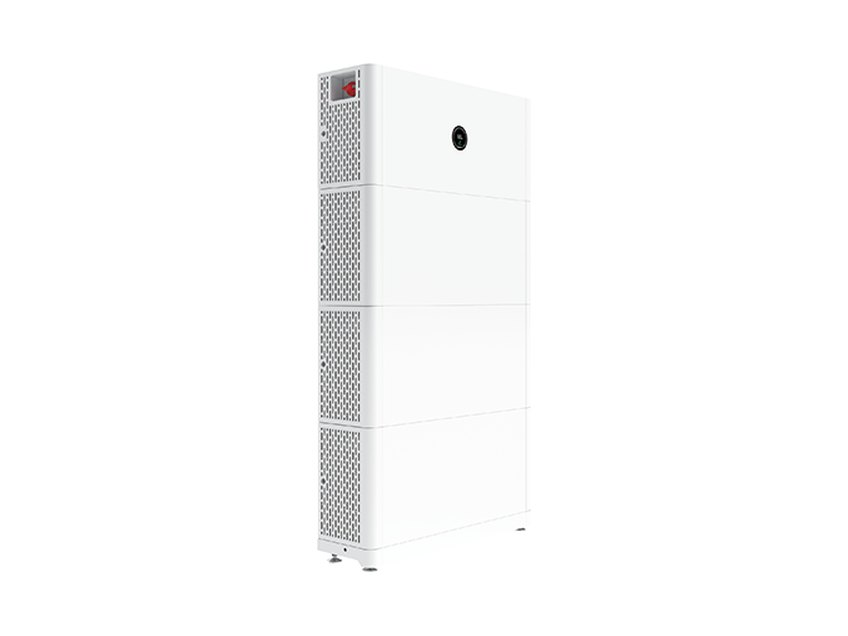
Growatt APX HV
The Growatt APX HV is a slim, outdoor-rated and genuinely cheap way to add 10 to 30 kWh to a Growatt hybrid system, and the Australian versions are rebate listed at their full nameplate capacity. The catch is the warranty: capacity is only guaranteed at 70% for five years and 50% after that, with a yearly cycle allowance that heavy users can exceed.
Best for
Budget buyers with a Growatt MIN, MOD or MID hybrid who cycle the battery moderately
Hinen
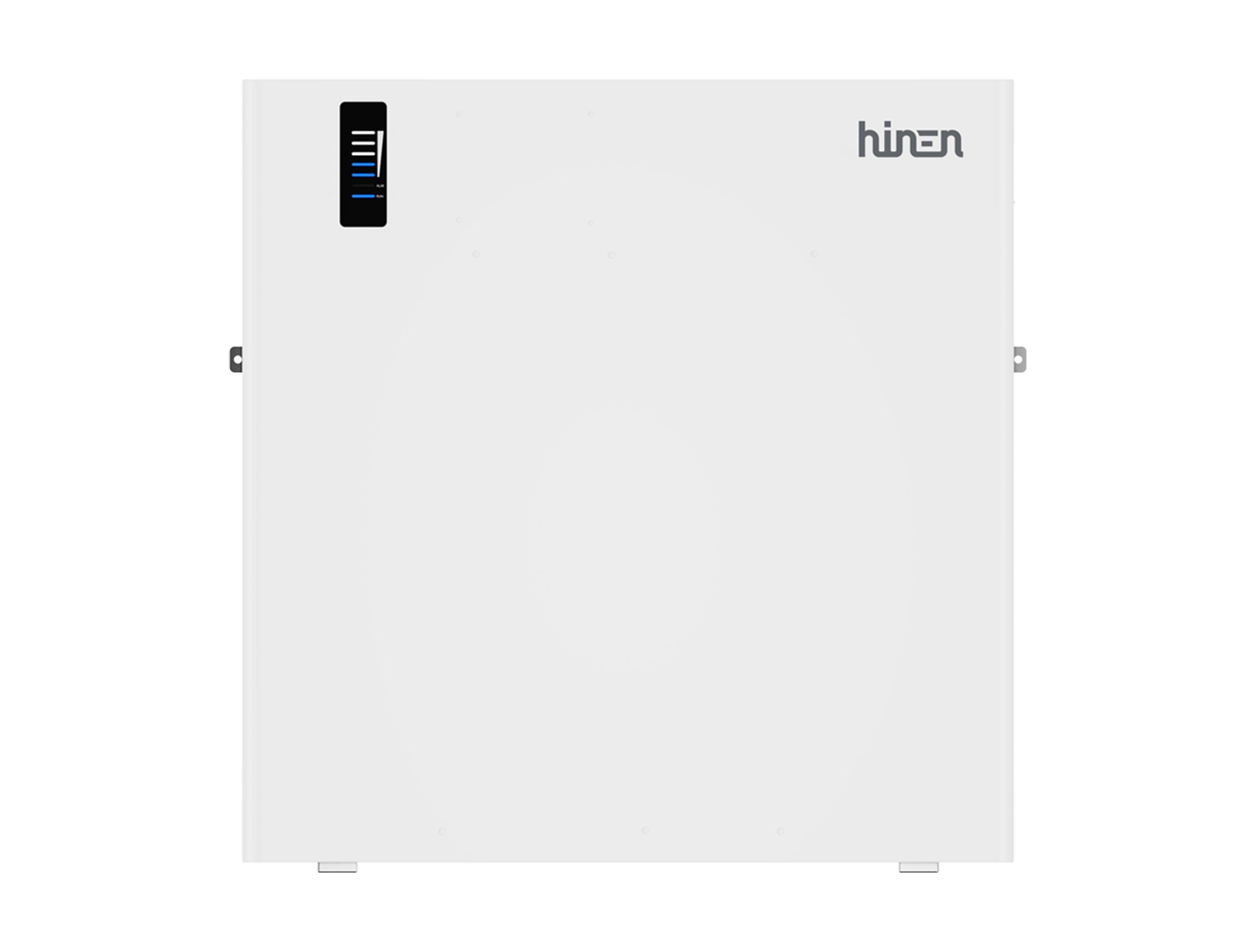
Hinen
Hinen is a credible, CEC-listed modular LFP battery with generous cycle ratings and good early owner feedback, and the 13.68 kWh B14400-H sits just under the 14 kWh point where the federal discount is richest. The trade-offs are a young Australian track record, no published retail prices, and warranty paperwork that does not say the same thing in every document.
Best for
Homes wanting a 10 to 14 kWh battery with room to expand, and willing to read the warranty card before signing
Huawei
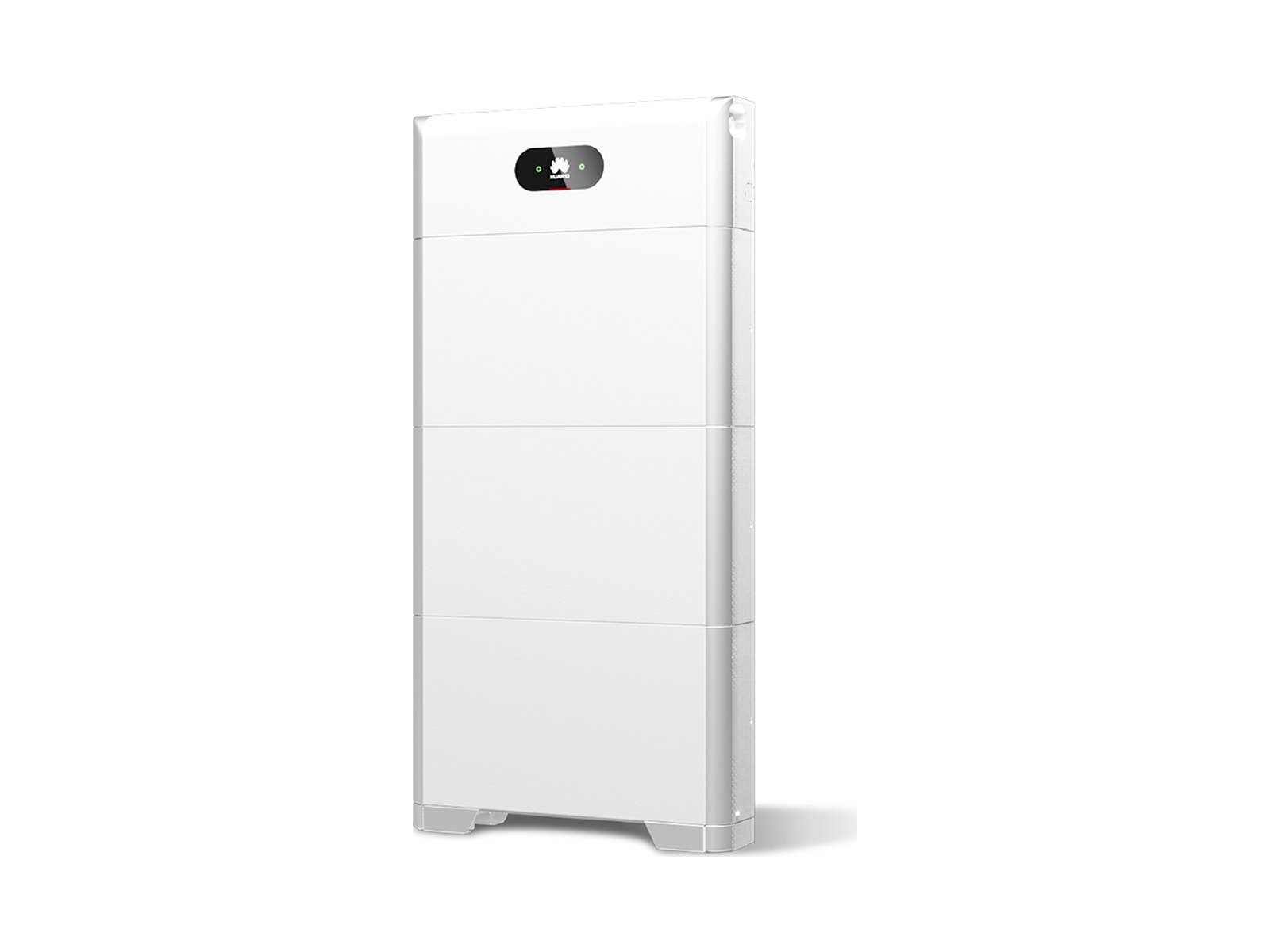
Huawei LUNA2000
The LUNA2000 is a well-built, slim modular battery that owners rate highly, but SolarQuotes reports Huawei no longer sells batteries in Australia and add-on modules are only promised until the end of 2026. Existing owners should expand now if they plan to; new buyers should only consider remaining stock at a clear discount, or look at a battery with a current local supply chain.
Best for
Existing Huawei inverter owners adding 5 kWh modules while stock lasts
iStore
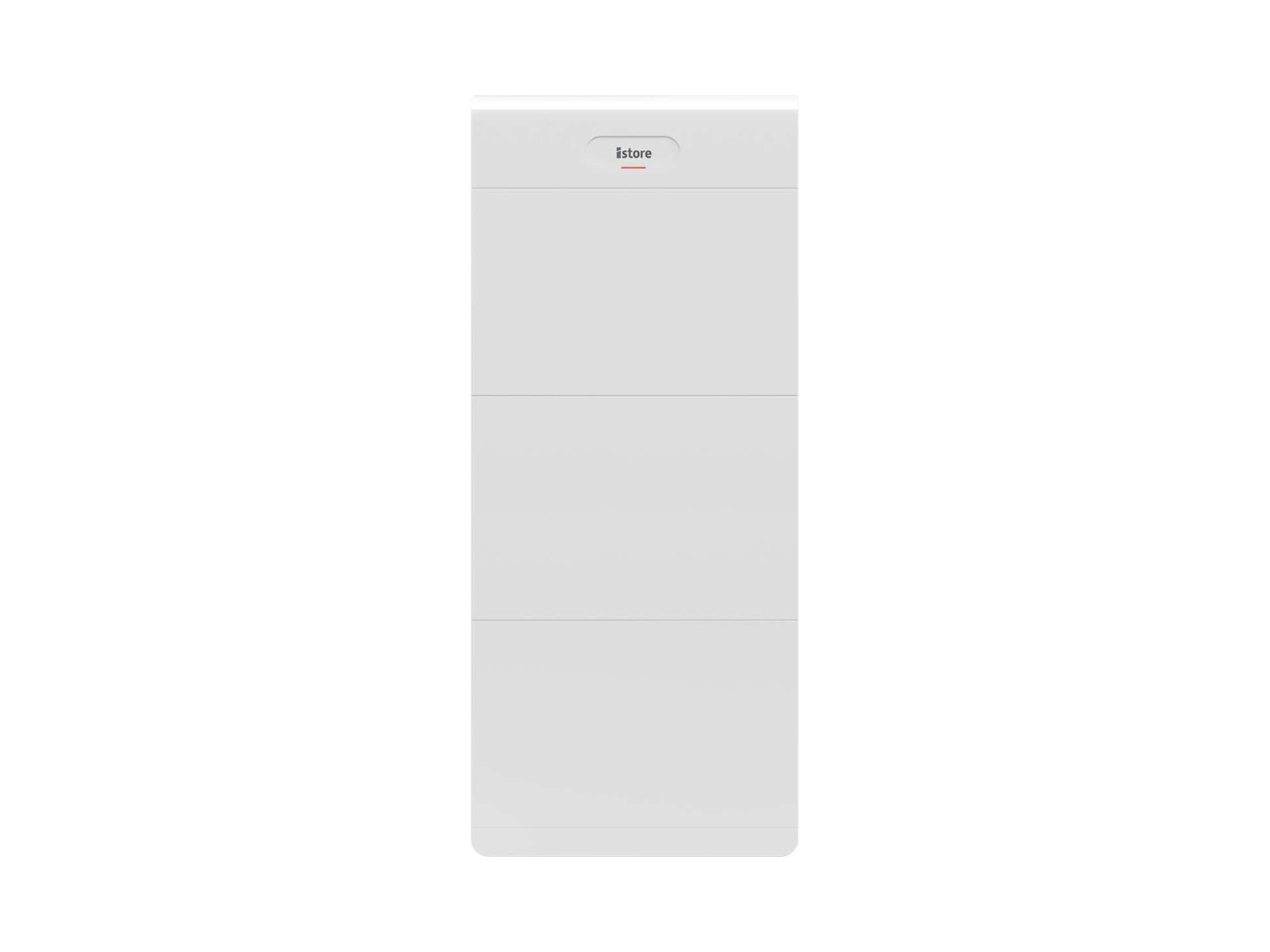
iStore Smart Battery
The new iStore S1 is a sensible pick if you want a slim, modular LFP battery on an iStore hybrid inverter, with a 15-year warranty and an Australian support line based in Perth. The catches are lock-in to iStore inverters, a warranty that ends at 60% capacity, no way to add S1 modules to an existing S0 stack, and published prices that sit above budget rivals.
Best for
Homes buying an iStore hybrid inverter, or existing Huawei and iStore owners planning a new stack
Neovolt
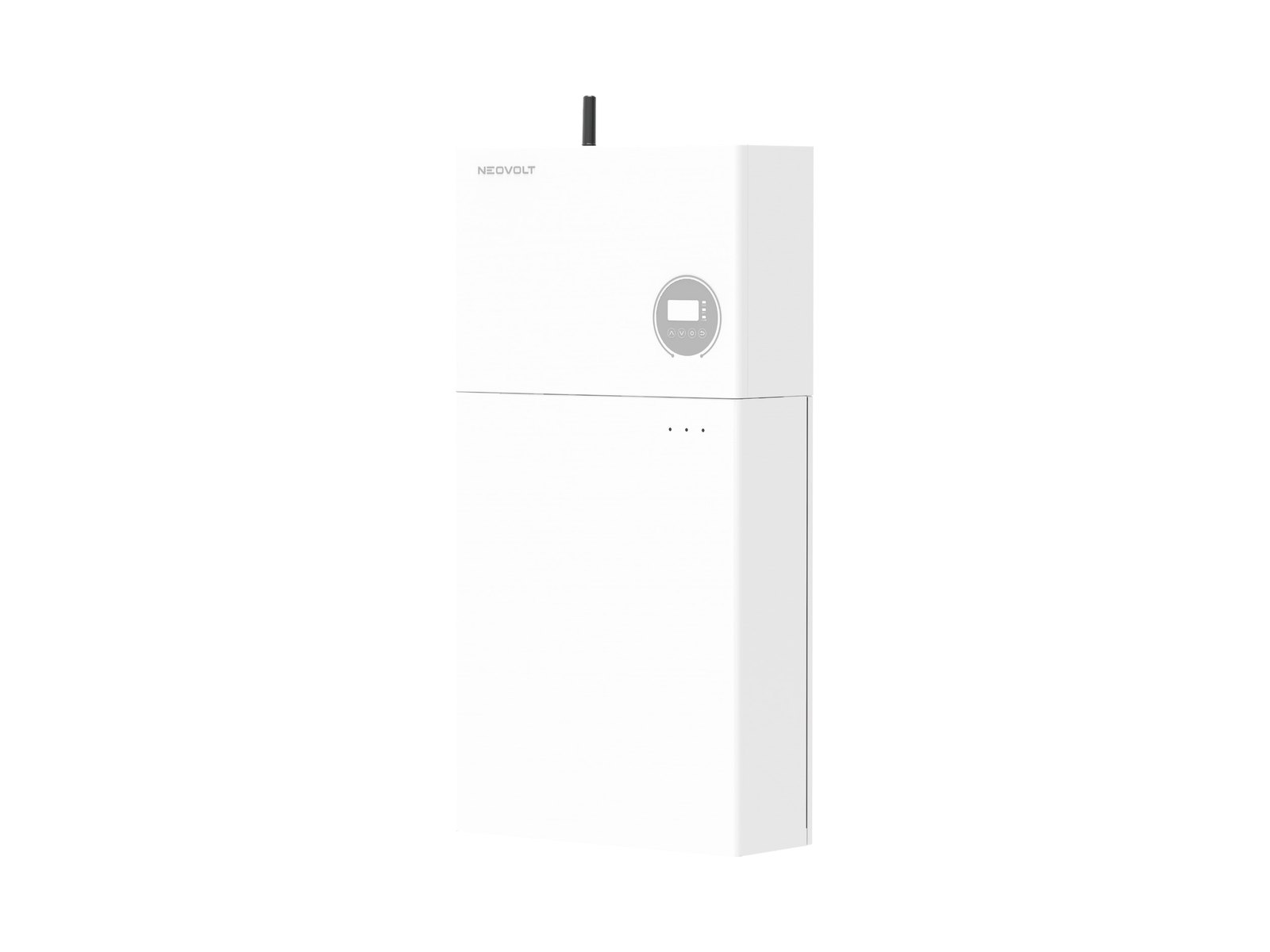
Neovolt
Neovolt is one of the cheapest all-in-one batteries in Australia, and the current warranty on the 9.6 kWh battery is generous, at 12 years with unlimited cycles for normal home use. The trade-off is a messy compliance record (most configurations have been suspended from the federal rebate since 15 September 2026) and after-sales support that depends heavily on who sold it to you.
Best for
Budget single-phase homes whose installer confirms in writing that the exact Neovolt configuration is rebate-eligible
Pylontech
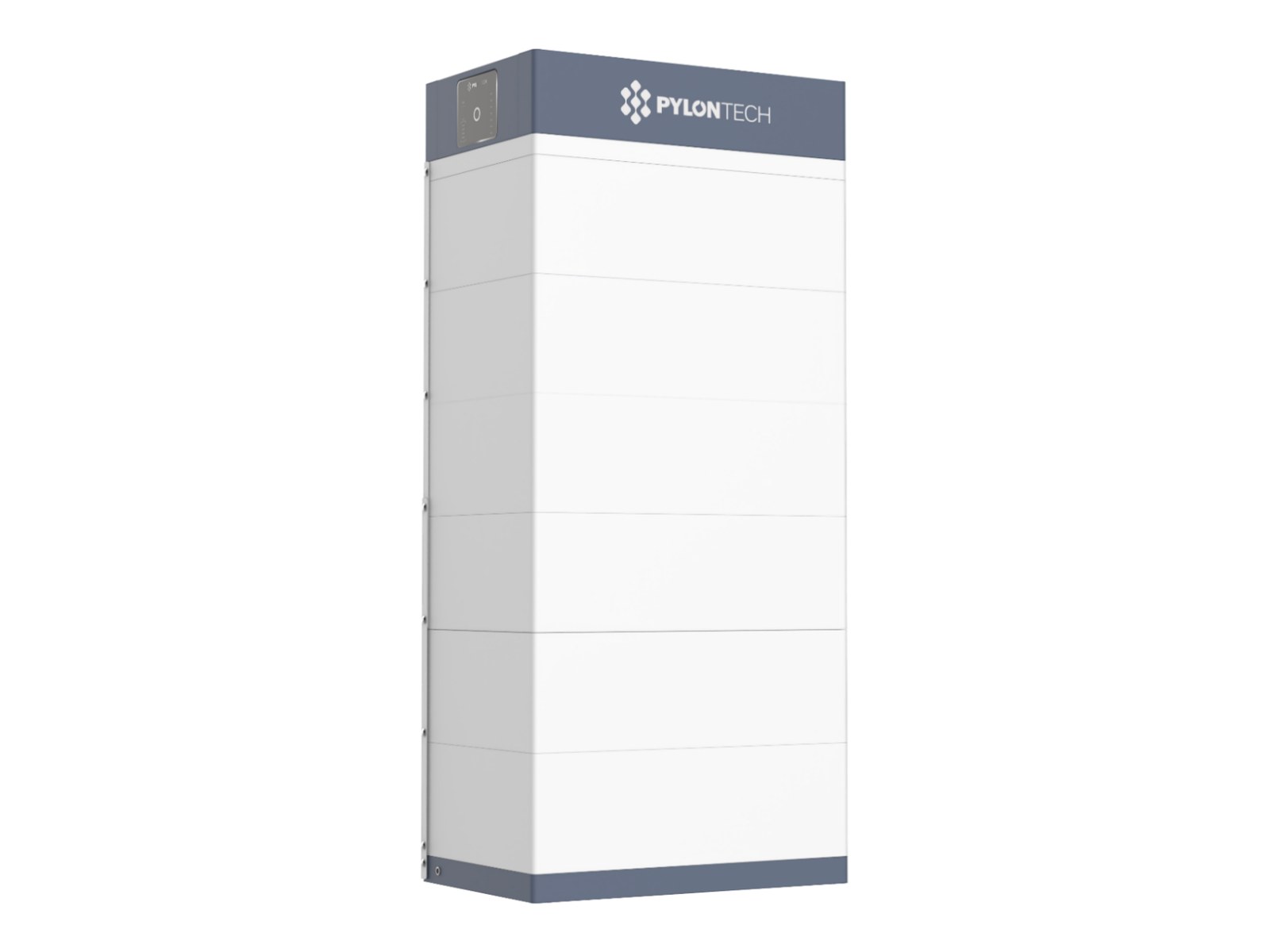
Pylontech Force H3
The Pylontech Force H3 and H3X are mid-priced, outdoor-rated LFP batteries with a good record from the Canberra test of the older US2000B and a wide inverter compatibility list. The trade-offs are a warranty with a throughput cap and shifting terms, and local support that runs through your installer and a distributor rather than an Australian Pylontech office.
Best for
Homes wanting a 10 to 35 kWh outdoor-rated battery on an inverter from Pylontech's compatibility list, or an all-in-one H3X
SAJ
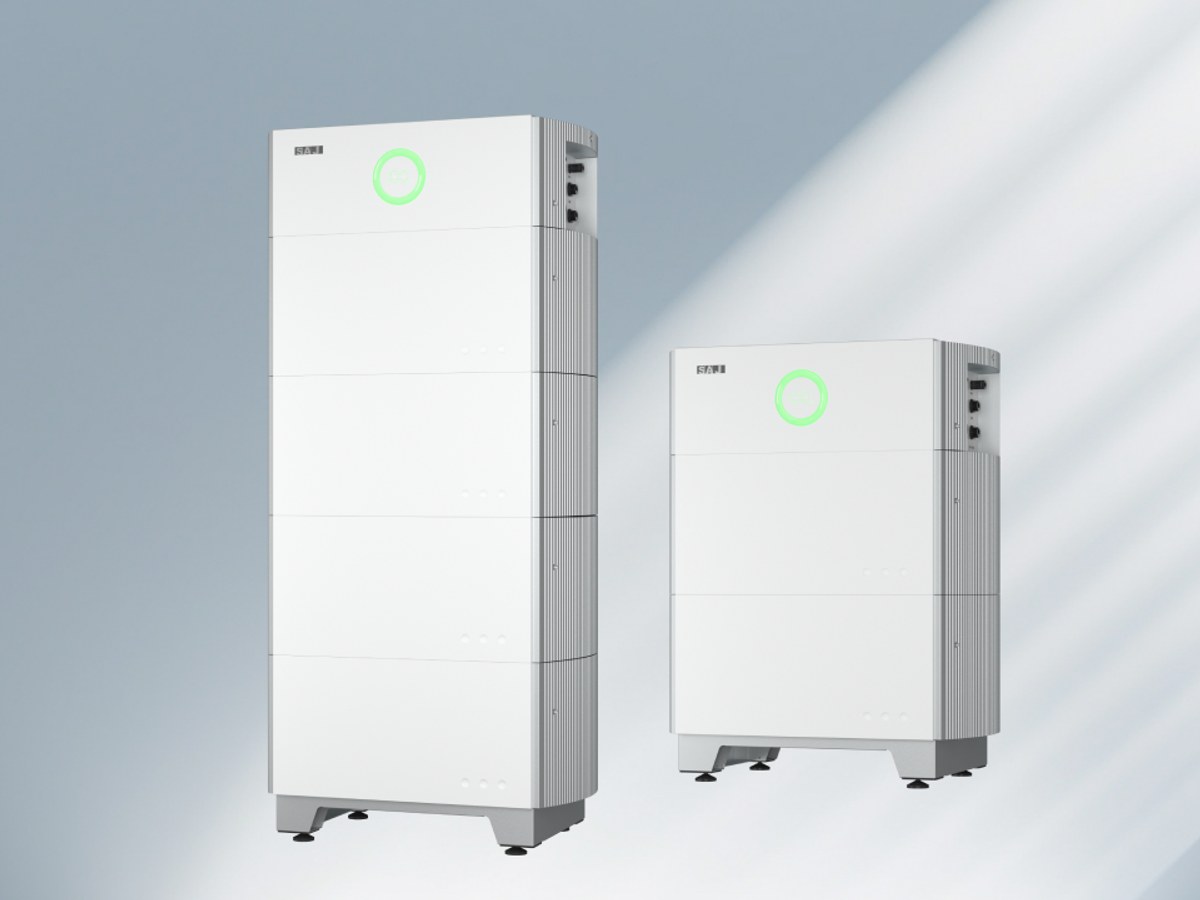
SAJ B2 and B2S
SAJ's B2 and B2S are among the cheapest high-voltage batteries quoted in Australia, they are on the Clean Energy Council list until 31 December 2027, and the HS5 adds a 15-year option. The trade-offs are a throughput-capped 10-year warranty that runs out in about 8.4 years of daily cycling, a thin Australian track record and patchy owner reports on support and software.
Best for
Price-focused homes adding a battery to an SAJ hybrid inverter, with an installer who will handle support
Sigenergy
Sigenergy SigenStor
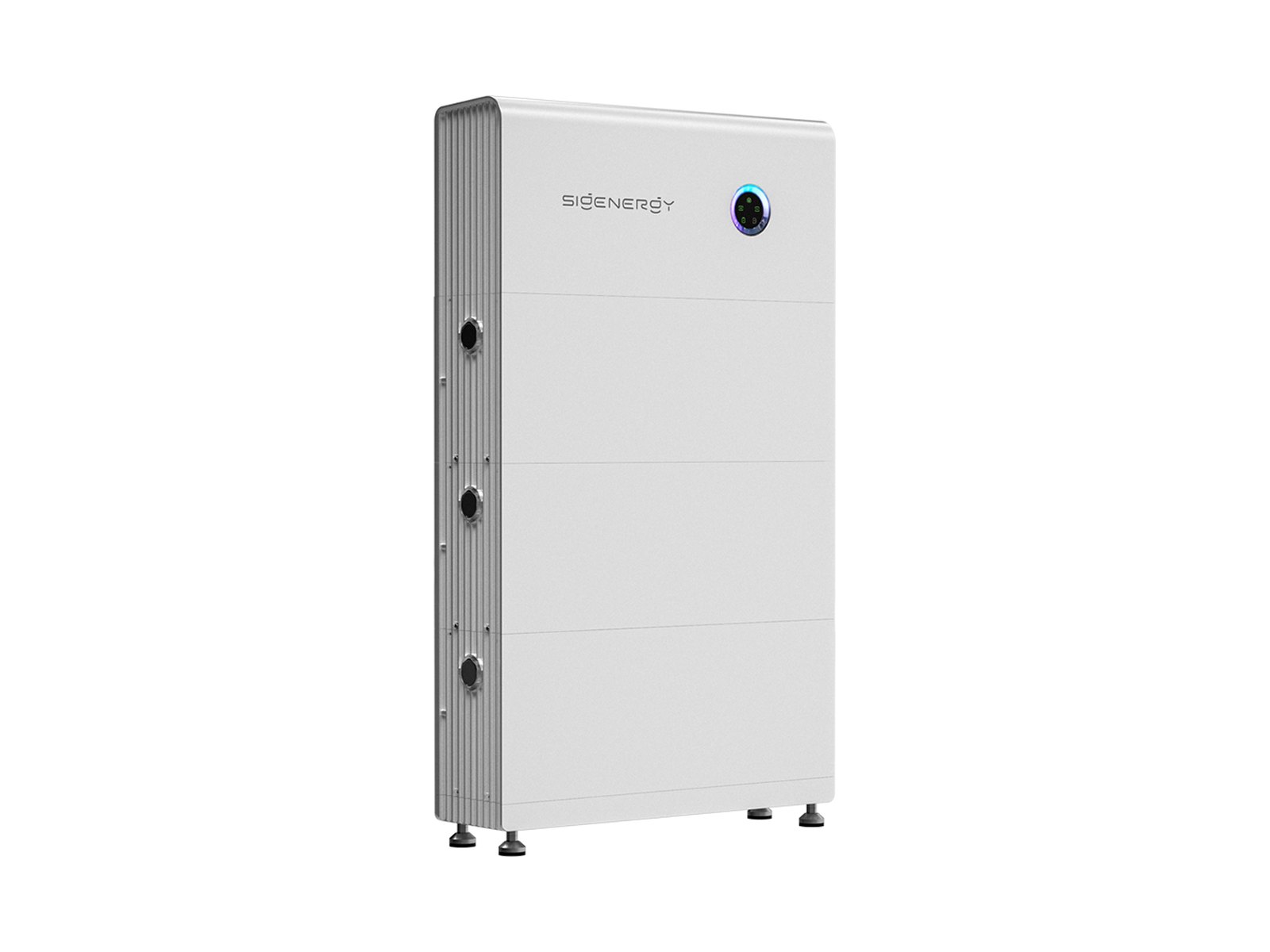
SigenStor packs a hybrid inverter, battery and energy manager into one stack, with genuine three-phase options, IP66 weatherproofing and a very detailed app at a competitive price. The trade-offs are a young company with a 2025 recall on some single-phase controllers, mixed owner experiences with support, and a warranty that caps throughput for all uses.
Best for
Three-phase homes, or anyone wanting an all-in-one battery with room to add EV charging
Sofar
BTS and PowerAll
Sofar
Sofar BTS and PowerAll
Sofar's PowerAll is one of the cheapest ways to buy 10 to 30 kWh of battery in Australia, at about A$316 per usable kWh before installation, and the current warranty finally covers a full daily cycle for ten years. The trade-offs are a 5 kW power ceiling, a Sofar-inverter-only warranty, patchy VPP support and a smaller installer and app ecosystem than the big brands.
Best for
Single-phase homes wanting a large battery at the lowest price per kWh and happy with 5 kW of power
SolarEdge
SolarEdge Home Battery
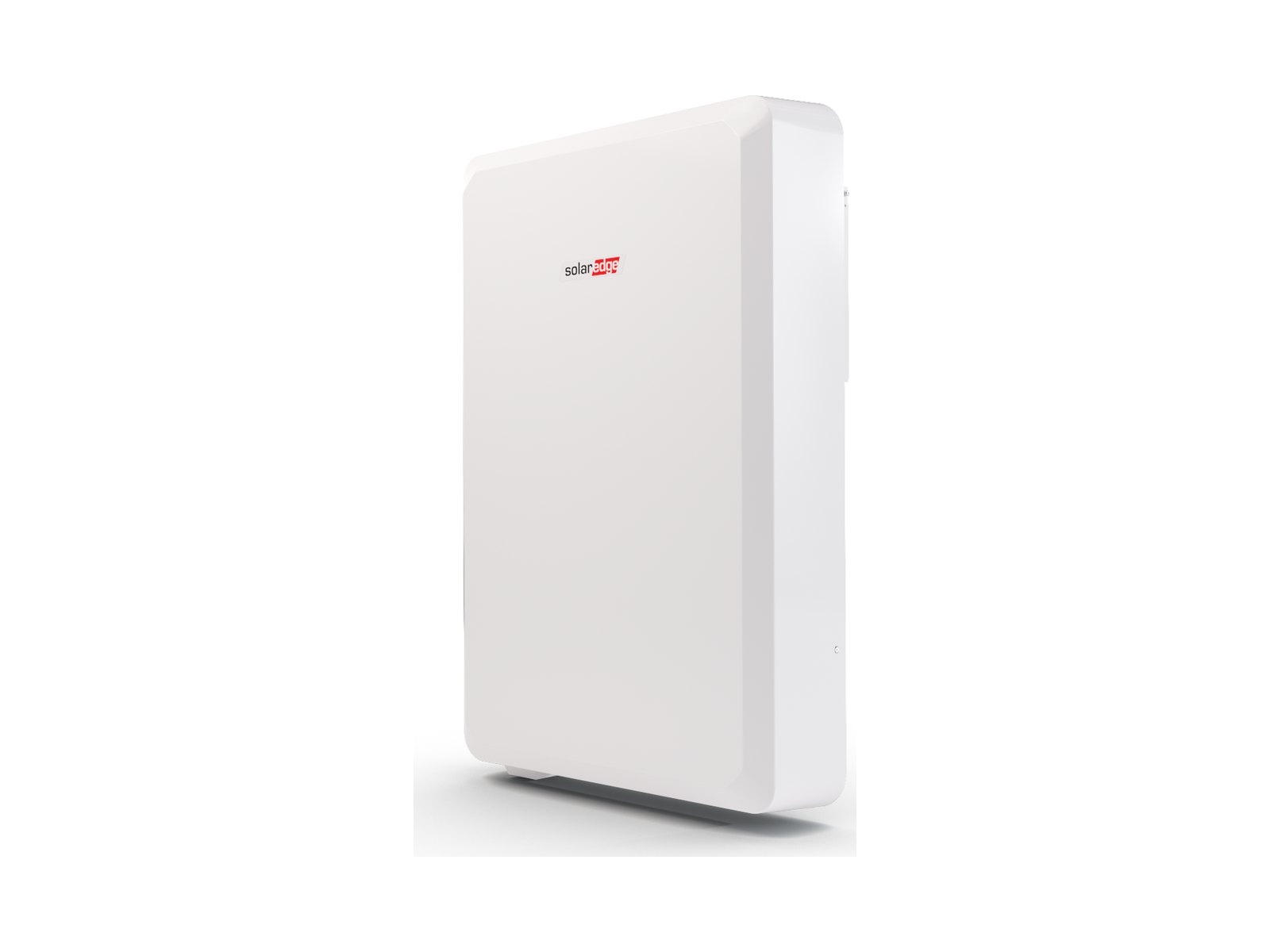
The SolarEdge Home Battery is the natural choice if your roof already runs SolarEdge optimisers and a Home Hub inverter, with tidy integration and one app for everything. Outside that ecosystem it is hard to justify, because it is pricier per kWh than most rivals, power is capped at 5 kW per inverter, and the 48V warranty has a strict temperature condition.
Best for
Homes with SolarEdge optimisers and a SolarEdge Home Hub inverter
SolaX
SolaX Triple Power
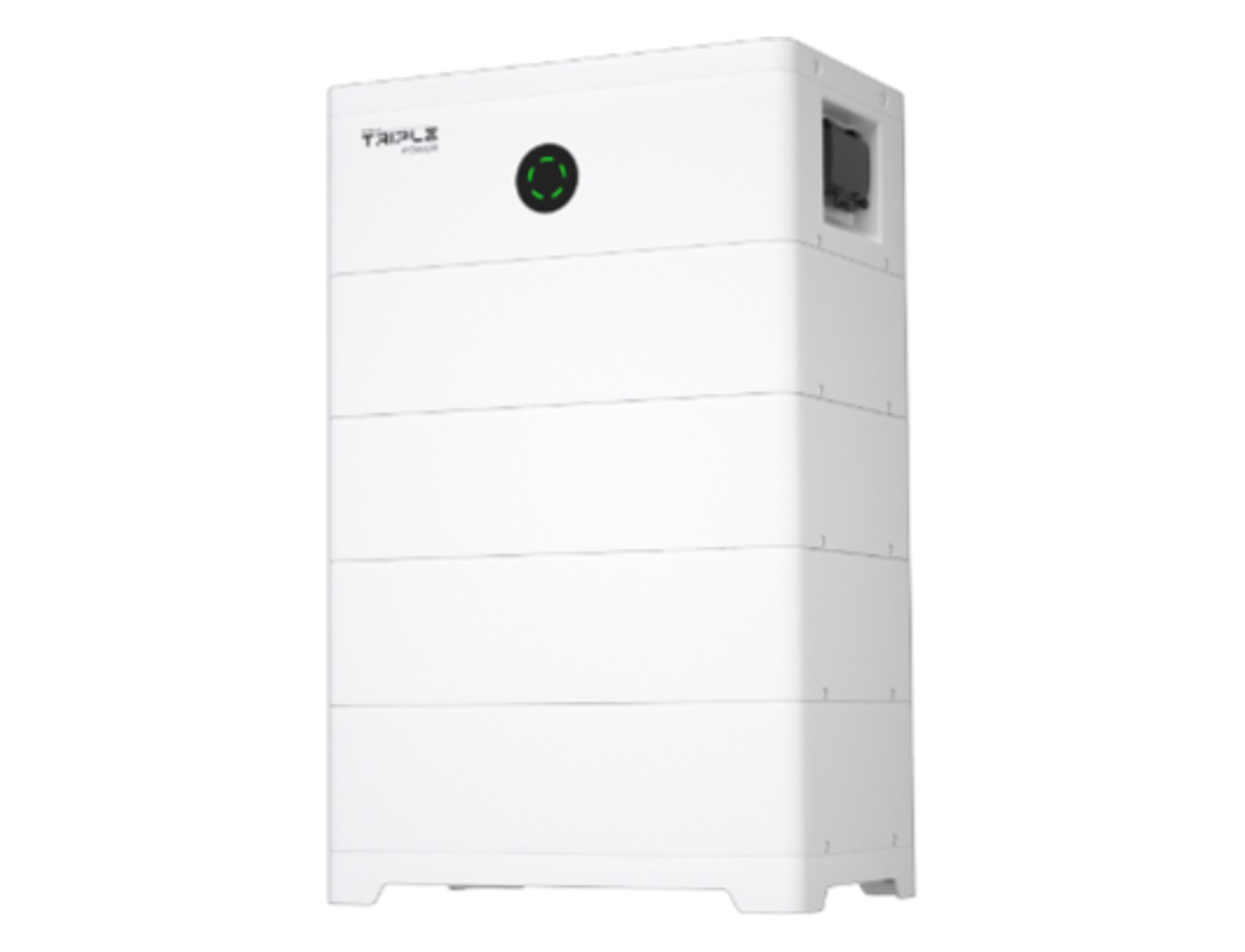
SolaX batteries are some of the cheapest modular high-voltage batteries in Australia once a bigger TSYS-HS51 stack is chosen, with a 10-year warranty that allows 6,000 cycles for home use and a well-regarded app. The trade-offs are that you must use a SolaX hybrid inverter, the small packages cost far more per kWh than the large ones, and several older listings on the Clean Energy Council list expire within weeks.
Best for
Budget-minded homes wanting a 15 kWh or larger modular battery with a SolaX hybrid inverter
Solplanet
Solplanet Ai-HB
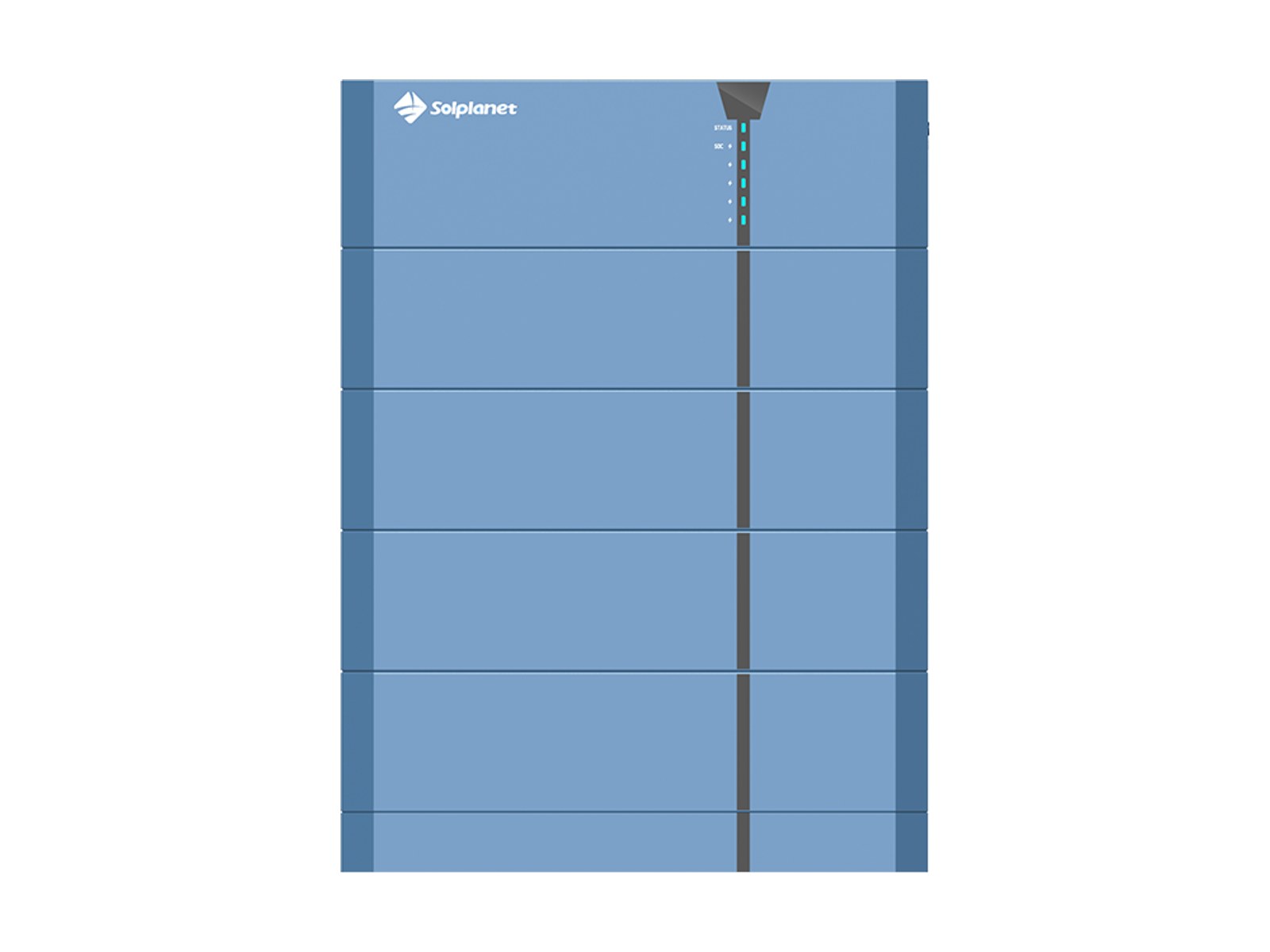
Solplanet batteries are low-priced, modular LFP stacks with a flat 10 year warranty and Clean Energy Council listings, backed by an Australian importer in Melbourne. The trade-offs are a short local track record, a warranty throughput of about 0.74 to 0.82 full cycles a day, and owner reports of app and firmware problems.
Best for
Budget-minded homes wanting a modular LFP battery paired with a Solplanet hybrid inverter, especially three phase
Sungrow
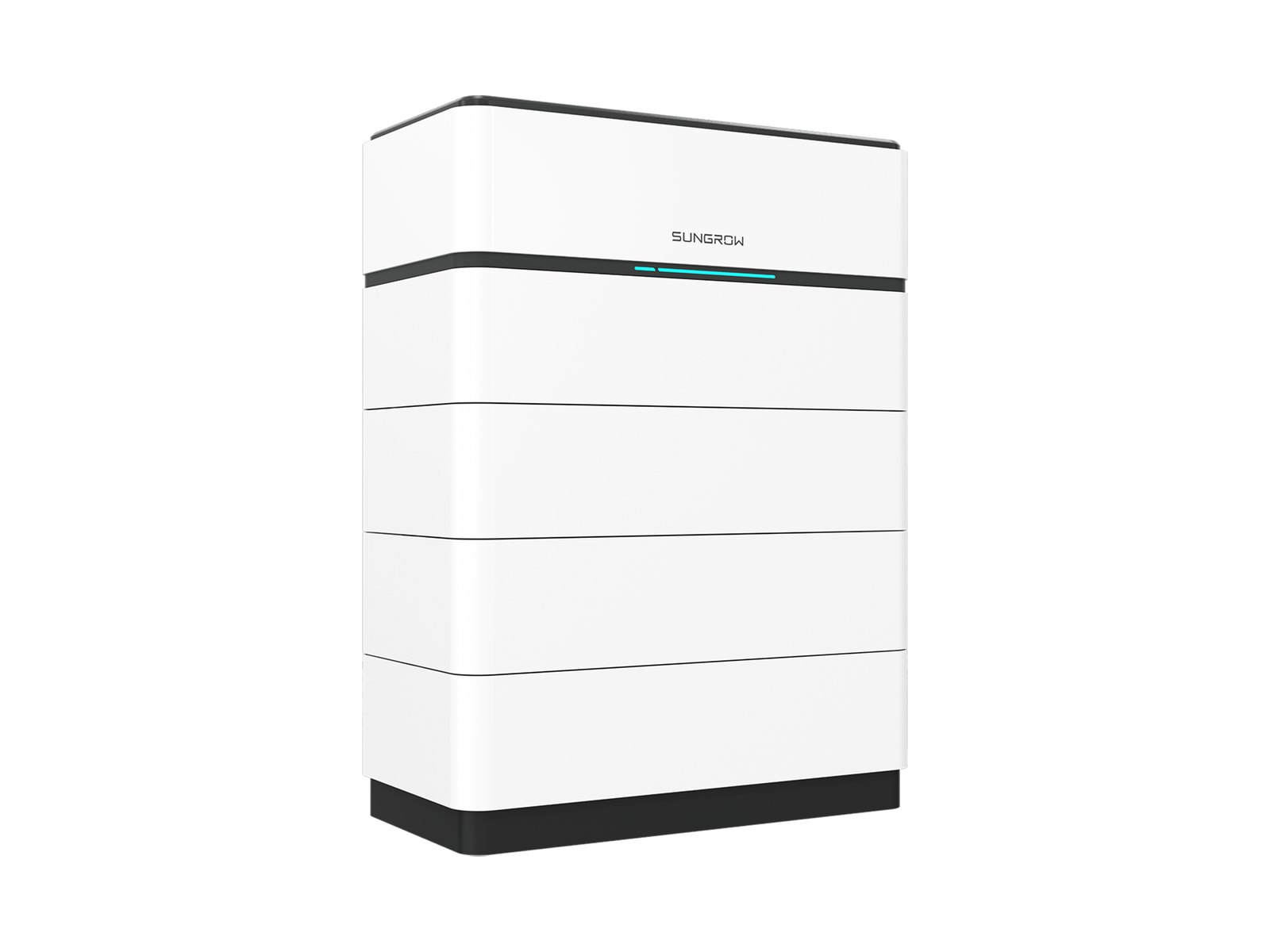
Sungrow SBH
The Sungrow SBH is the SBR's bigger and more powerful sibling, with 5 kWh modules, 50 A of battery current and up to 40 kWh in one stack, at a similar price per kWh after the federal discount. It makes most sense for large or three-phase homes on a Sungrow SH-T hybrid; smaller single-phase homes usually get the same value from an SBR without paying for power their inverter cannot use.
Best for
Large or three-phase homes wanting 20 kWh or more and whole-home backup on a Sungrow SH-T hybrid
Sungrow
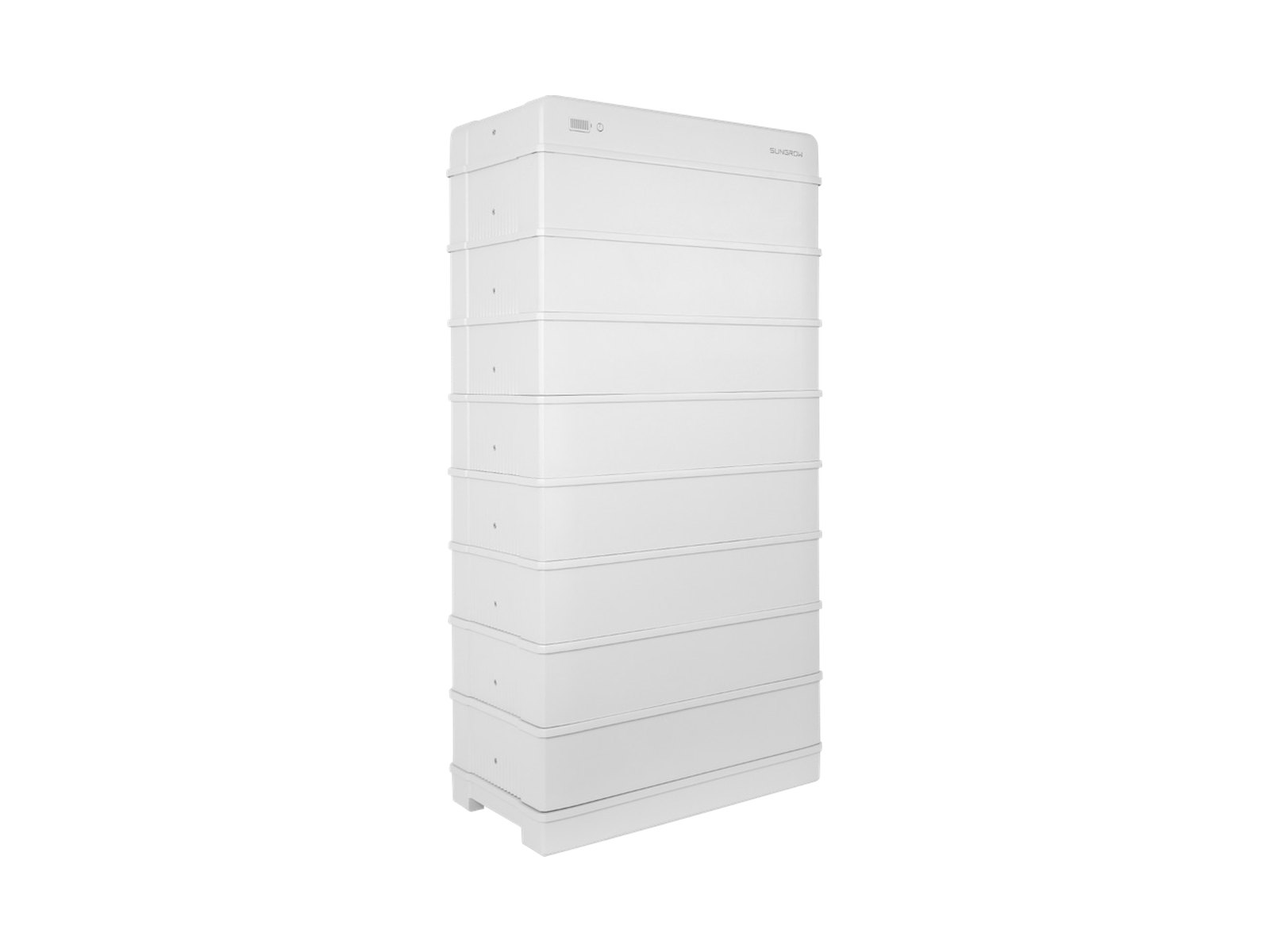
Sungrow SBR
The Sungrow SBR is one of the best-value modular batteries in Australia, with easy expansion in 3.2 kWh steps and a warranty that gives normal households unlimited cycles. The trade-off is that you must pair it with a Sungrow hybrid inverter, and Sungrow's app and phone support are weaker than the hardware.
Best for
Homes wanting a modular battery paired with a Sungrow hybrid inverter
Tesla
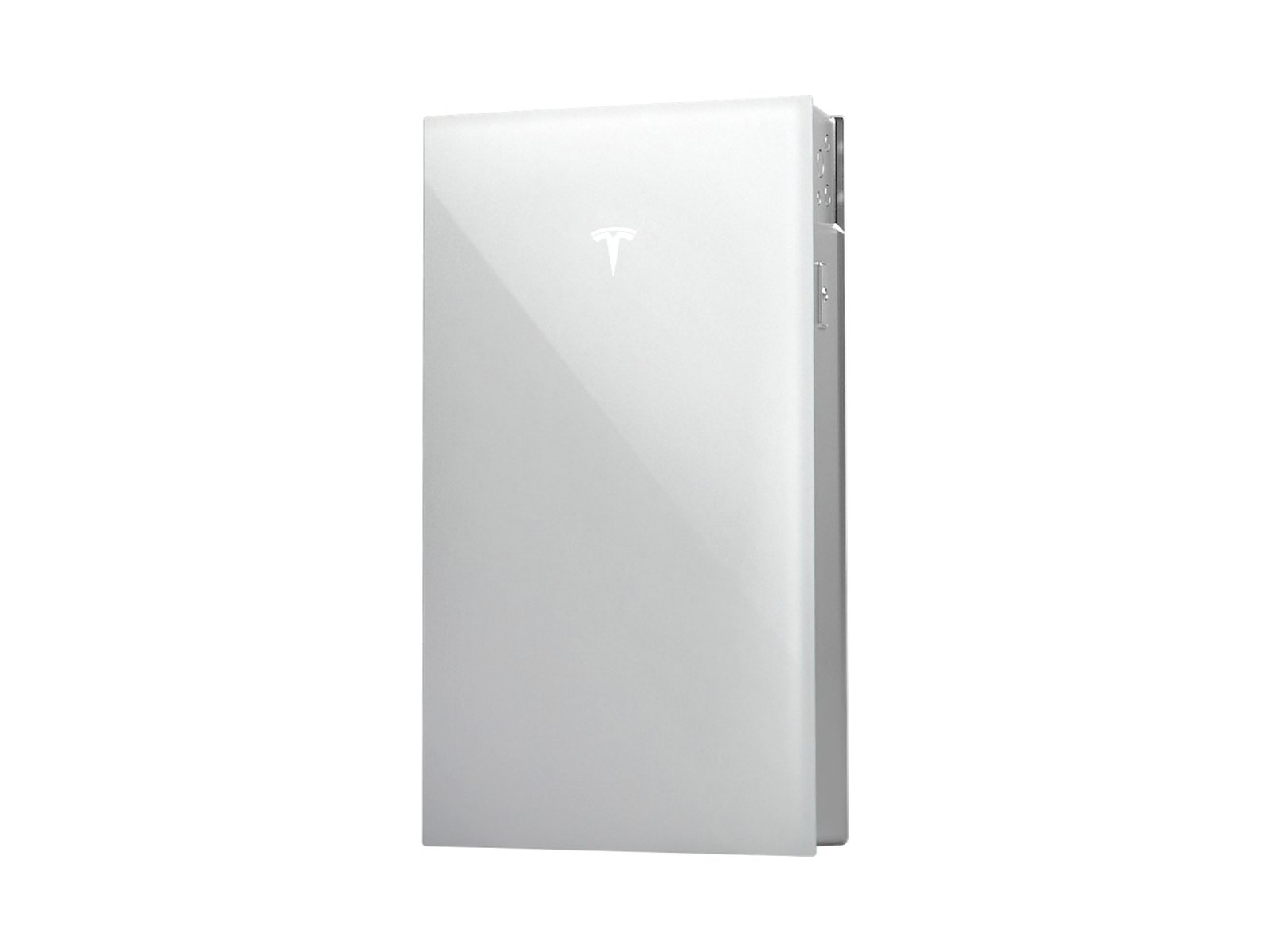
Tesla Powerwall 3
Powerwall 3 is the simplest way to get a big-name 13.5 kWh battery and a 10 kW solar inverter in one box, with strong backup power and a polished app. The trade-offs are a premium price, a 5 kW charging cap and single-phase design that suits three-phase homes poorly.
Best for
Single-phase homes installing new solar and a battery together
Read next
Battery buying guides
Compare installers near you
Browse rated solar installers in your area, check their Google reviews, and ask at least three for itemised quotes. Our guide to comparing solar quotes explains what to look for.