
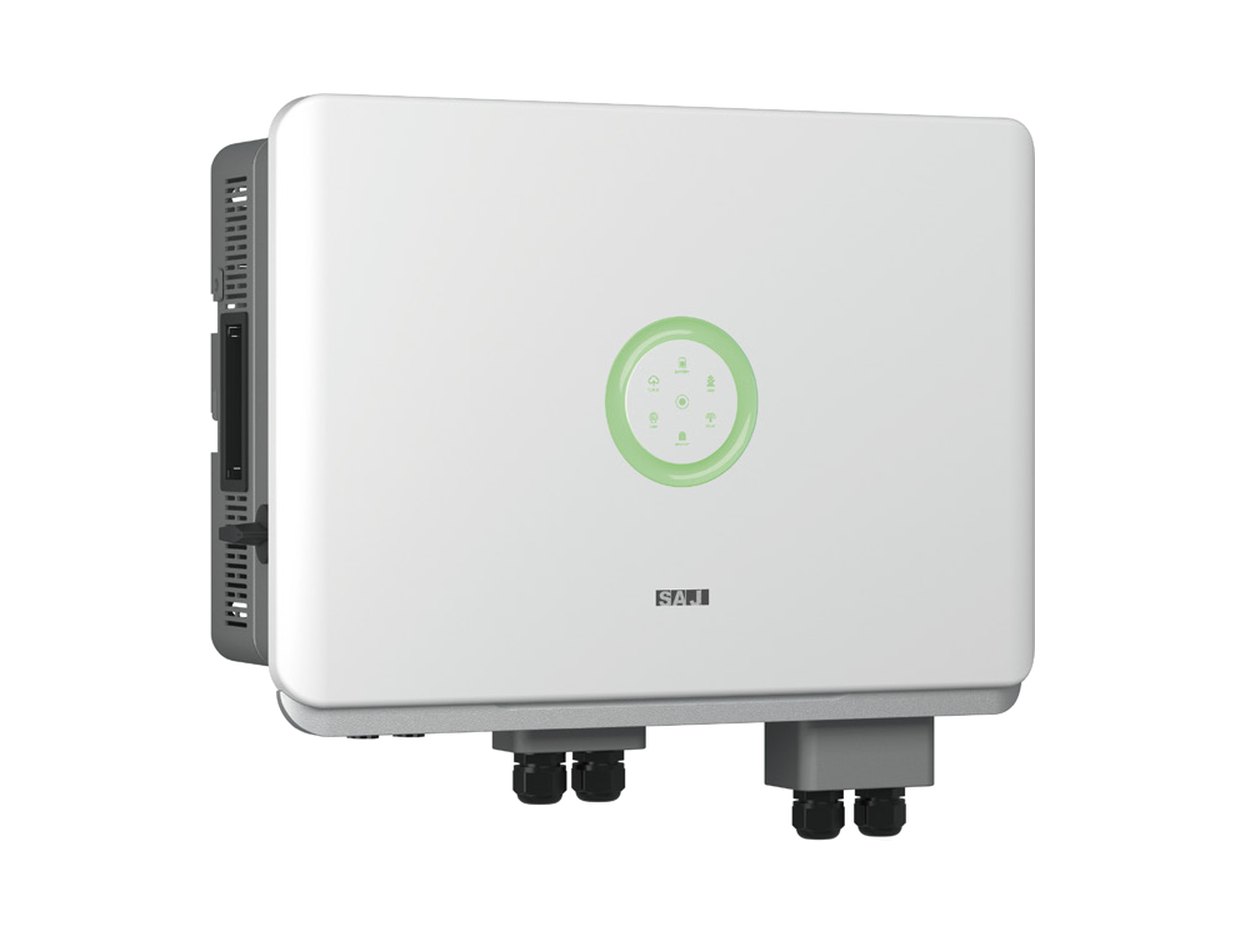
Our verdict
SAJ's H2 hybrid is one of the cheapest ways to get a high-voltage battery system on a quote, with full-power backup, three trackers on the bigger single-phase models and a 10-year warranty. The trade-offs are an unproven long-term track record in Australia, patchy support and app complaints from owners, and several CEC listings that expire in November 2026.
- Best for
- Price-focused homes adding a battery, especially single-phase homes wanting 5 to 10 kW of backup
- Look elsewhere if
- Buyers who want a long Australian reliability record or responsive manufacturer support
- Price guide
- Not published as a current range; owner quotes on Whirlpool (mid-2025) were about A$8,100 to A$8,900 for an H2 hybrid plus 18 to 20 kWh of B2 battery installed, rebate treatment not stated
- Warranty
- Inverters 10 years from commissioning (or 10.5 years from shipment, whichever is earlier), extendable to 15 or 20 years for a fee; B2 and B2S batteries 10 years or 3.06 MWh per usable kWh to 60% capacity
Pros
05- Usually among the cheapest hybrid inverter and battery packages on Australian quotes
- H2 backup output matches the inverter's rated power, with a 10 ms switchover
- H2-S3 single-phase models have three 16 A trackers, suiting split roofs and high-current panels
- Wide range: 3 to 10 kW single phase and 5 to 30 kW three phase hybrids, plus R5 and R6 string inverters
- B2 and B2S batteries are on the CEC approved list until 31 December 2027, so they qualify for the federal discount
Cons
05- SolarQuotes does not include SAJ among its recommended brands, citing a lack of long-term reliability information
- Owners report slow support, firmware problems and time-of-use settings that do not behave as expected in the elekeeper app
- CEC listings for the H2-S3 (22 November 2026) and most R6 models (early November 2026) expire soon, so check renewal before install
- Battery warranty retains only 60% capacity, and the 3.06 MWh per kWh throughput cap ends it after about 8.4 years at one full cycle a day
- Effectively tied to SAJ batteries: the warranty excludes damage from an incompatible battery
SAJ (Guangzhou Sanjing Electric) is a Chinese inverter maker that has become a regular name on budget battery quotes in Australia. Most homeowners will see the H2 hybrid inverter paired with SAJ’s B2 or B2S high-voltage battery. Some solar-only quotes use SAJ’s R5 or R6 string inverters instead.
This review covers the H2 hybrid range in detail, with notes on the R6 string range and the matching batteries. It is based on manufacturer documentation, warranty terms, published pricing and owner and installer feedback; Solar Cobber did not test the product and was not paid by the manufacturer.
What it is and how it works
The H2 is a transformerless hybrid inverter: it runs your panels, charges and discharges a high-voltage battery directly over DC, and switches to backup when the grid fails. The R6 is a grid-only string inverter with no battery port.
Here is what SAJ Australia currently lists, and what the Clean Energy Council (CEC) approved inverter list showed when we checked on 14 October 2026:
| Model | Type | Phase | Sizes | CEC listing expires |
|---|---|---|---|---|
| H2-S2 | Hybrid, 2 trackers | Single | 3 to 6 kW | 16 Apr 2029 |
| H2-S3 | Hybrid, 3 trackers | Single | 5 to 10 kW | 22 Nov 2026 |
| H2-T2 | Hybrid, 2 trackers | Three | 5 to 10 kW | 14 Apr 2029 |
| H2-T3-AU | Hybrid, 3 trackers | Three | 10 to 30 kW | 14 Apr 2028 |
| R6 S3 | String | Single | 7 to 10 kW listed | 1 Nov 2026 |
| R6 T2 | String | Three | 3 to 25 kW | 6 to 9 Nov 2026 |
| R5 | String | Single | 0.7 to 8 kW | 23 to 24 Jun 2027 |
Two details matter. First, SAJ’s AU R6 datasheet lists 5, 6, 8 and 9.9 kW single-phase models that we could not find on the CEC list, so for a small single-phase string system the R5 is the SAJ model with a current listing. Second, the H2-15K-T2-AU and H2-20K-T2-AU in SAJ’s 10 to 30 kW datasheet were not on the list either. Listings are often renewed, but an inverter installed after its listing lapses cannot attract STCs.
SAJ also sells all-in-one systems (HS2, HS3 and the new HS5), which sit outside this review.
Specs that matter in Australia
Panels and trackers. The H2-S3 has three trackers taking 16 A each, so an installer can put east, west and north roof faces on separate inputs and use today’s high-current panels without clipping. The smaller H2-S2 has two 16 A trackers and a 550 V limit. SAJ quotes 150% DC oversizing, but the STC rules cap you at 133% for the rebate, so a 5 kW H2 normally gets about 6.6 kW of panels.
Heat. All H2 models are IP65. The single-phase and 5 to 10 kW three-phase units are fanless and start derating above 45°C; the 10 to 30 kW model uses fans and is rated under 50 dB. Mount it out of afternoon sun on west and north walls.
Backup. This is a real strength. On the H2-S3, the backup output equals the inverter’s rated power (5 kW on the 5 kW model up to 10 kW on the 10 kW model), with a 60-second peak of 6 to 12 kVA and a switchover SAJ puts at 10 ms. Even the 5 kW H2-S2 is rated for about 5 kVA of backup. Whether that covers your whole house or selected circuits depends on how the installer wires it.
Battery limits. The single-phase H2 models accept 85 to 450 V batteries with 30 A (H2-S2) or 50 A (H2-S3) of charge current. Installers on Whirlpool report 20 kWh as the largest single B2 stack on single-phase H2 models, with parallel stacks needed beyond that. The three-phase H2-T3-AU takes two battery inputs from 180 to 800 V.
Three phase. SAJ says the H2-T2 supports 100% three-phase imbalance, which helps homes whose loads sit mostly on one phase. See our guide to single vs three phase solar.
VPPs and export limits. SAJ’s 10 to 30 kW datasheet mentions VPP-rate battery charging, but we could not confirm which Australian VPPs support SAJ. A Solar Choice reviewer complained of no Amber-style automation. Ask the installer which VPPs and dynamic export schemes the H2 has been approved for in your network area. Our VPP explainer covers the basics.
Price in Australia
SAJ does not publish retail prices, and we found no current independent range for the inverter alone. What is published:
| What | Price | Source and date |
|---|---|---|
| H2-S2 5 kW / 6 kW hybrid | A$1,870 / A$1,980 | Solar4Ever price list, Mar 2024 |
| H2-S3 5 kW to 10 kW hybrid | A$2,365 to A$3,190 | Solar4Ever price list, Mar 2024 |
| R6 single phase 5 kW to 10 kW | A$1,410 to A$2,235 | Solar4Ever price list, Mar 2024 |
| H2 5 kW plus 18 kWh B2, installed (Qld) | A$8,094 | Whirlpool owner quote, Jul 2025 |
| H2 plus 20 kWh B2, installed | A$8,855 | Whirlpool owner quote, Aug 2025 |
| Whole solar systems with an SAJ inverter | A$5,999 to A$11,000 | SolarQuotes owner reports |
Solar4Ever does not say whether its list is supply-only, and the Whirlpool posters did not say whether their figures were before or after the battery discount, so treat these as rough guides only. SolarQuotes’ Finn Peacock says SAJ is “pretty much bottom of the market” on price.
Rebates. The federal Cheaper Home Batteries Program applies to the battery, not the inverter. DCCEEW says the STC factor is 6.8 per usable kWh for the first 14 kWh from May to December 2026, 60% of that from 14 to 28 kWh and 15% from 28 to 50 kWh, falling to 5.7 from 1 January 2027. A B2-10.0 (9.6 kWh usable on the CEC list) would create about 65 certificates, roughly A$2,600 at a A$40 certificate price. Both B2 and B2S are on the CEC battery list until 31 December 2027. See our battery rebate guide.
Warranty: the fine print
Inverters. SAJ’s Australian limited warranty covers the R5, R6, H1, H2, HS2 and AS2 series for 10 years from commissioning or 10 years and 6 months from shipment, whichever is earlier, so old stock can arrive with time used. You can buy an extension to 15 or 20 years, but only within 18 months of installation or 30 months of shipment. Note that the H2 datasheets list “5/10/15/20” years and older reviews (Solar Choice, 2024) describe a 5-year standard term; the current AU policy says 10.
SAJ repairs or replaces at its discretion and may supply a non-new replacement. The policy says SAJ covers “approved repair or replacement costs” but does not spell out labour for your installer, so ask who pays for the swap. The warranty excludes damage from an incompatible battery, poor ventilation, grid overvoltage and lightning. Claims go through your installer first.
Batteries. SAJ’s AU battery warranty (V4.0) gives the B2, B2S and BU2 10 years, retaining 60% of usable capacity, or a minimum throughput of 3.06 MWh per usable kWh, whichever comes first. SolarQuotes works out that at one full cycle a day the throughput runs out just before 8.4 years. Faults must be reported within 30 days, the battery must be installed within 6 months of leaving SAJ’s factory, and it must operate between -10°C and 50°C. SolarQuotes’ review describes 70% retention and says the warranty drops to 5.5 years if the battery is not registered and online; we could not find either condition in the V4.0 document, so ask your installer to confirm in writing.
SAJ’s Australian entity is SAJ Digital Energy Australia Pty Ltd in Melbourne. Its own documents give two different Victorian addresses (Point Cook and Docklands). Australian Consumer Law rights apply on top.
What owners and installers report
SAJ’s inverter has about 60 owner reviews on SolarQuotes (49 five-star, 3 one-star), and Solar Choice shows 4.52 out of 5 from 60 reviews. The battery has 27 reviews on SolarQuotes. SolarQuotes does not include SAJ among its recommended brands because it lacks long-term reliability information, and Finn Peacock’s short verdict reads: “Cheap like a Growatt”, but without “the solidness of a GoodWe”. Whirlpool posters in 2025 describe it as a long-running niche brand that is “very good value”.
Praise centres on price, a simple install and an easy app for basic monitoring. Complaint patterns:
- Support speed. SolarQuotes reviewers describe support that took more than three days to reply with the wrong answer, no help over holiday periods, and 17 days to replace an inverter that failed during a firmware update.
- Settings and firmware. Owners report time-of-use charging that exported instead of charging, settings that take about five minutes to apply in the elekeeper app, a battery that would not charge to full, and a firmware fault that stopped charging for a day.
- Inverter stalls. Owners on SolarQuotes and Solar Choice report the inverter cutting out on sunny days or sitting in wait mode after an error until it is restarted manually.
- App rating. The elekeeper app rates 3.3 out of 5 from about 1,675 ratings on Google Play (a global figure).
No SAJ product appeared on the Clean Energy Council’s product recalls page when we checked in October 2026.
SAJ H2 vs alternatives
| SAJ H2 (H2-S3) | Sungrow SH-RS | GoodWe EH / ET G2 | Solis S6-EH1P | |
|---|---|---|---|---|
| Phase and sizes | 1-phase 3 to 10 kW; 3-phase 5 to 30 kW | 1-phase 5 to 10 kW | 1-phase EH; 3-phase ET G2 6 to 15 kW | 1-phase 3 to 16 kW |
| Battery type | High voltage, 85 to 450 V | High voltage, 80 to 460 V | High voltage | 48 V low voltage |
| Backup output | Full rated power, 10 ms | 5 to 6 kW circuit (small models); whole home (8 and 10 kW) | Backup circuits with battery | Under 10 ms, 8 kVA for 60 s (6 kW) |
| Standard warranty | 10 yrs | 10 yrs | 5 yrs (EH), 10 yrs (ET G2) | 5 yrs, 10 if registered |
| Indicative price | A$2,365 to A$3,190 (5 to 10 kW, 2024 list) | A$2,000 to A$2,800 (5 kW hybrid) | A$2,000 to A$2,800 (5 kW EH) | Not published |
| Main watch-out | Support record, CEC expiry | Locked to Sungrow batteries | Conditional warranty | Lower battery efficiency |
Choose SAJ H2 if price comes first and you want strong backup output, ideally from an installer who will handle support for you. Sungrow SH-RS costs similar money with a much larger Australian installed base. GoodWe suits three-phase homes wanting the ET G2, and Solis suits those happy with a 48 V battery.
Questions to ask your installer
- Which exact H2 model are you quoting, and is it on the CEC list now and on my install date?
- If it is an H2-S3 or R6, has the CEC listing been renewed past November 2026?
- Which SAJ battery is included (B2 or B2S), and how many kWh usable per the CEC list?
- Will the backup cover the whole house or selected circuits, and what is the backup rating?
- Who pays for labour if the inverter or battery needs replacing under warranty?
- Will you register the warranty, and does SAJ require the battery to stay online?
- Which VPPs and dynamic export schemes is this system approved for in my area?
- Where will it be mounted, and will it be out of direct afternoon sun?
FAQ
Is SAJ a good inverter brand?
It is a budget brand with competitive specs and a 10-year warranty. SolarQuotes does not yet recommend it because of limited long-term reliability data, and owners report patchy support.
Is SAJ approved in Australia?
Yes, many SAJ models are on the CEC approved inverter list, but listings for the H2-S3 and most R6 models expire in November 2026. Check the exact model on install day.
How long is the SAJ inverter warranty?
Ten years from commissioning under the current AU policy, extendable to 15 or 20 years for a fee if you apply within 18 months of installation.
Which battery works with the SAJ H2?
SAJ’s B2 HV and B2S HV batteries. Using an incompatible battery is excluded from the inverter warranty.
Does the SAJ H2 work in a blackout?
Yes, with a battery it switches to backup in about 10 ms (SAJ’s figure) and can supply up to its rated power, depending on how the backup circuits are wired.
Is SAJ the same as Sungrow or GoodWe?
No. SAJ (Guangzhou Sanjing Electric) is a separate Chinese manufacturer with its own inverters, batteries and the elekeeper app.
Find an installer
With a budget brand, the installer’s support matters as much as the hardware, because your warranty claim starts with them. Use our installer directory to find SAJ installers near you, and check our guide on how to compare solar quotes before you sign.
Read next
Inverter buying guides
Often quoted alongside
Sungrow
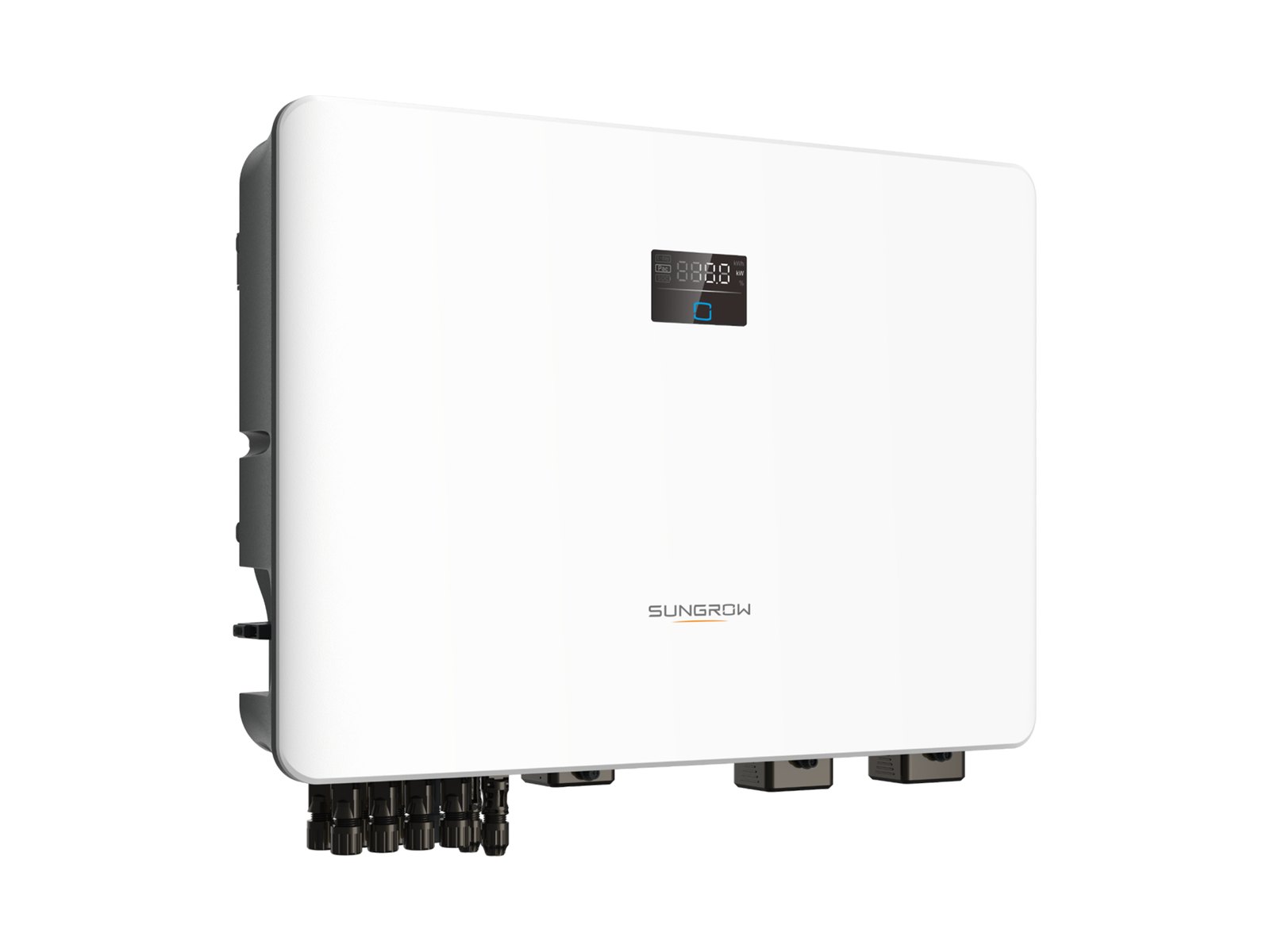
Sungrow SH RS / RT hybrid
The Sungrow SH RS is the value pick for a single-phase solar and battery system, with near-instant backup, high solar oversizing and broad VPP support at well below Fronius prices. Check which model you are quoted, because only the SH8.0RS and SH10RS offer whole-home backup, and accept that you are tied to Sungrow batteries.
Best for
Homes adding a Sungrow battery now that want fast backup and VPP options at a mid-market price
GoodWe
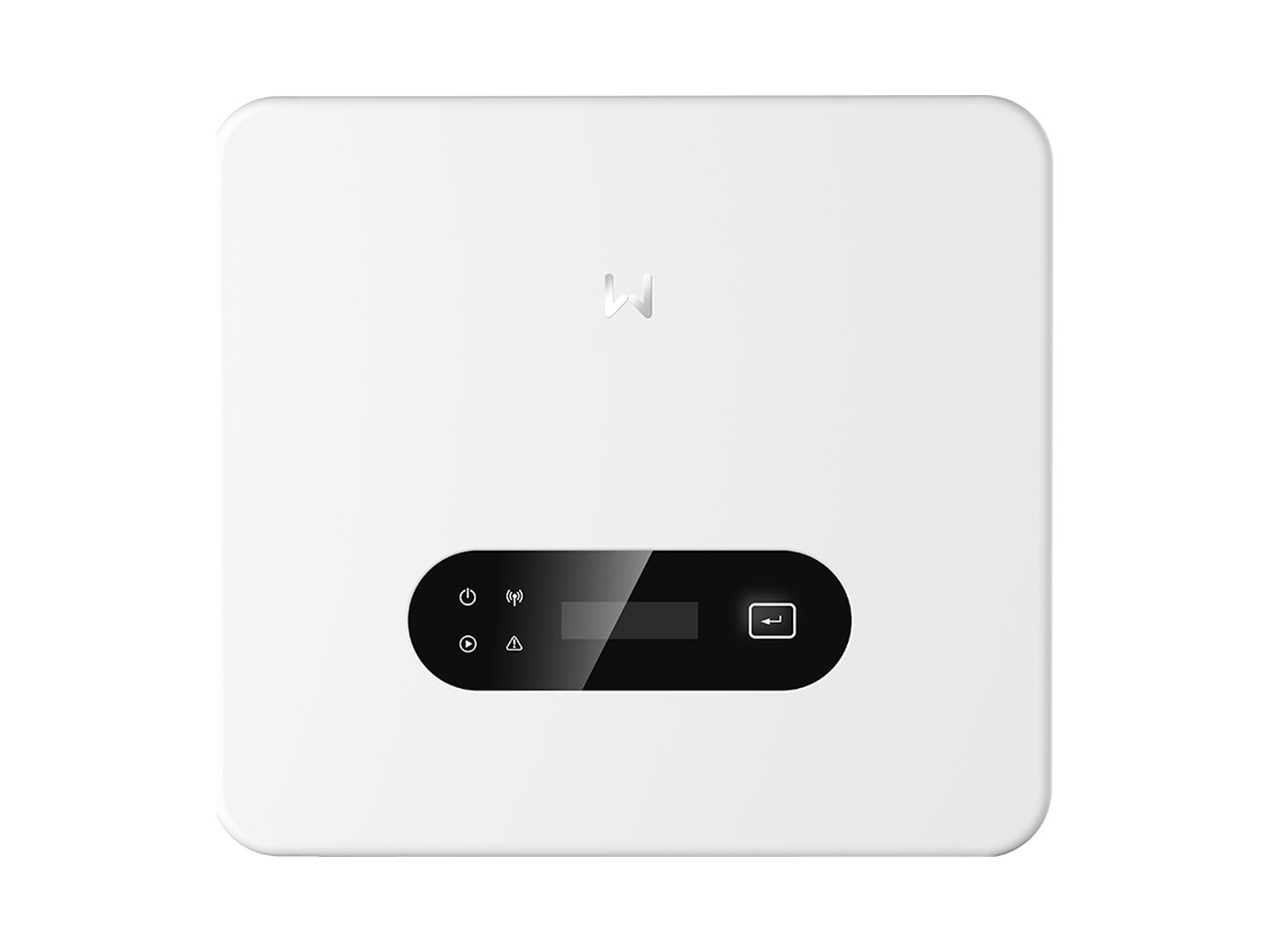
GoodWe DNS, EH and ET
GoodWe's DNS string inverters are a sound budget pick with a local office and a 10-year warranty once registered online, and the ET G2 is a capable three-phase hybrid. Read the warranty conditions closely, though: several hybrids only get 10 years if paired with a GoodWe battery, and owners in hot climates report noticeable summer derating.
Best for
Budget to mid-range single-phase systems and three-phase homes wanting a hybrid
Solis
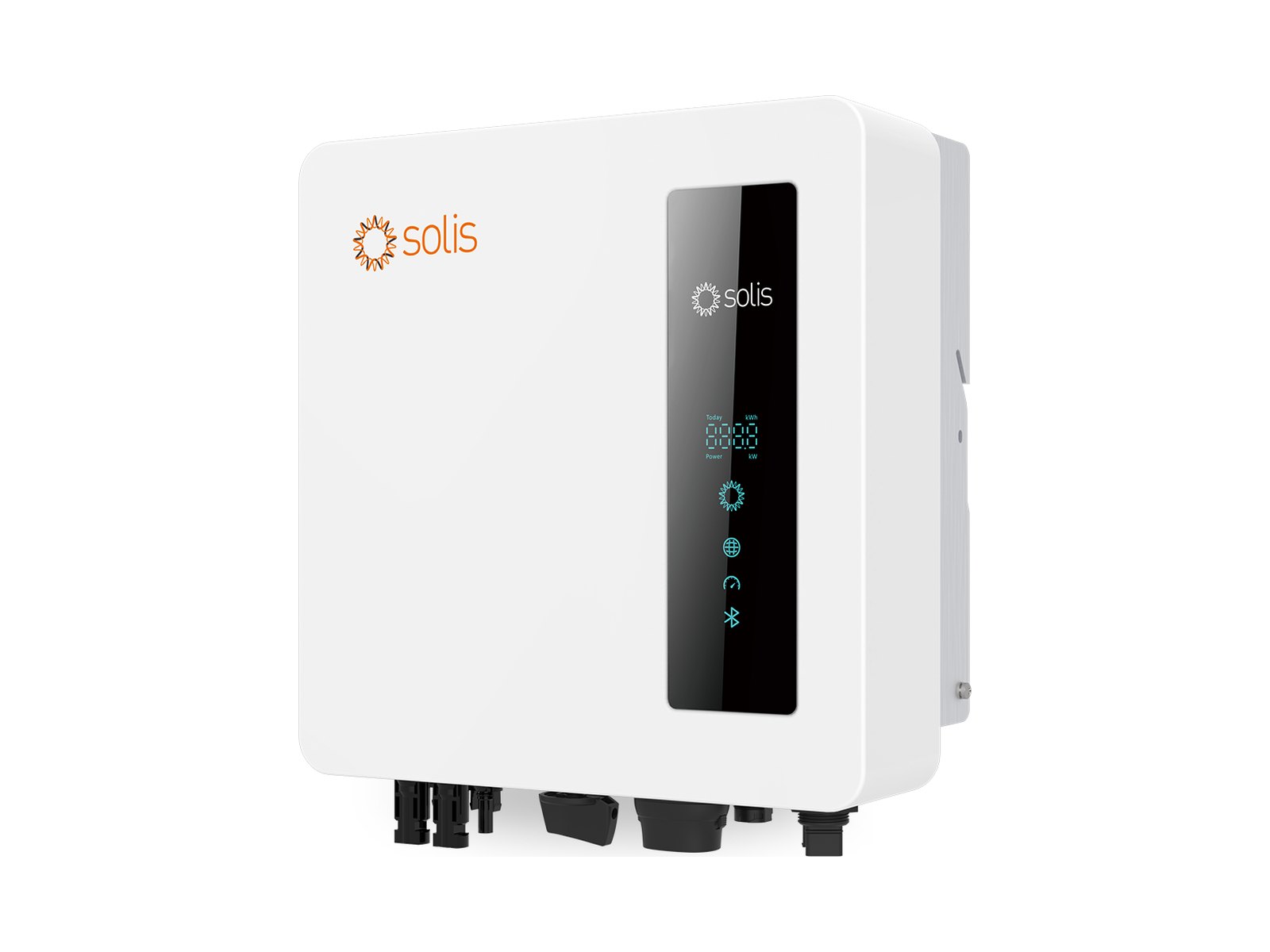
Solis S6 series
Solis makes a solid budget string inverter with a local office in Melbourne and a 10-year warranty once registered on SolisCloud, and its 48 V hybrids work with many battery brands. The catches are a warranty that drops to 5 years if the inverter goes offline, labour and freight you may pay yourself, and owner ratings a notch below GoodWe's.
Best for
Budget single-phase systems, and hybrids paired with a third-party 48 V battery
Sources
Independent desk research by the Solar Cobber editorial team. We did not test this product and were not paid by the manufacturer. Solar Cobber is a free directory that may earn referral or advertising fees from installers; this never affects our reviews.
- 01SAJ Australia: H2 series hybrid inverter page
- 02SAJ H2 (5-10K)-S3 single-phase hybrid datasheet, AU (V1.3, PDF)
- 03SAJ H2 (3-6K)-S2 single-phase hybrid datasheet, AU (V1.3, PDF)
- 04SAJ H2 (5-10K)-T2 three-phase hybrid datasheet, AU (V1.2, PDF)
- 05SAJ H2 10-30K three-phase hybrid datasheet, AU (V1.3, PDF)
- 06SAJ R6 5-10K single-phase inverter datasheet, AU (V1.1, PDF)
- 07SAJ Limited Warranty (AU), inverters (PDF)
- 08SAJ Limited Warranty for Batteries, AU V4.0 (PDF)
- 09SAJ Australia: B2 HV battery page
- 10Clean Energy Council approved inverter list
- 11Clean Energy Council approved batteries list
- 12Clean Energy Council product recalls
- 13DCCEEW: Cheaper Home Batteries Program
- 14SolarQuotes: SAJ inverter review and owner ratings
- 15SolarQuotes: SAJ battery review and owner ratings
- 16Solar Choice: SAJ solar inverters independent review (Nov 2024)
- 17Solar4Ever: SAJ inverter review and price list (Mar 2024)
- 18Whirlpool: SAJ battery and inverter, is it a good price? (2025)
- 19Whirlpool: Anker Solix X1 vs SAJ B2 vs Sungrow (2025)
Get quotes for SAJ H2 and R6
Browse rated solar installers in your area, check their Google reviews, and ask at least three for itemised quotes. Our guide to comparing solar quotes explains what to look for.