A professional solar panel cleaning service in Australia typically charges about A$8 to A$15 per panel, or A$150 to A$350 for a normal home, as at November 2026. On our calculation a A$200 clean of a 6.6 kW system in Sydney pays for itself within two years only if it recovers about 10% or more of that year’s output. Measured dust losses on Australian homes are usually lower than that.
This guide covers what cleaners publish, what dirt actually costs in output, when a clean pays back, and what it means for your warranty. For how to do it yourself and what never to do, see our guide on how to clean solar panels in Australia.
Key facts
- Published Australian prices for professional solar panel cleaning range from A$3 to A$30 per panel, with most sources between A$8 and A$15 per panel as at November 2026.
- The Quote Yard lists A$150 to A$200 for up to 10 panels and A$280 to A$350 for 21 to 30 panels in New South Wales, with a A$50 to A$100 premium for two storey roofs (2026 price guide).
- A Murdoch University study of a 1.5 kW Perth home system (Tanesab and colleagues, Renewable Energy, 2017) found dust cut monthly maximum power output by about 4.5% on average.
- A Charles Darwin University study found output from crystalline silicon panels in Darwin rose 9.2% at the end of the dry season when the first rain washed them (Yap and colleagues, 2015).
- On the Solar Cobber calculation below, a A$200 clean of a 6.6 kW Sydney system needs to recover about 15% of annual output to pay for itself in one year, assuming electricity is worth 15c per kWh.
- Solar Victoria says a licensed electrician should service a system at least every 2 years, and that pressure hoses can damage panels.
How much does solar panel cleaning cost in Australia?
Cleaners price per panel with a minimum call-out, and the published figures overlap heavily. A typical home (15 to 20 panels, single storey) costs about A$150 to A$350 to clean.
The table below lists every published price we could open. Several of the sources are price-comparison or lead-generation sites, so treat them as indicators, and get at least two quotes.
| Source (date) | What it publishes |
|---|---|
| Airtasker cost guide (updated June 2025) | Average about A$12 per panel; 20 panels A$240 to A$600; 40 panels A$480 to A$1,200; per-panel examples A$10 to A$15 in Melbourne and Brisbane, A$3 to A$25 in Sydney |
| The Quote Yard, NSW (2026 price guide) | A$8 to A$15 per panel; up to 10 panels A$150 to A$200; 11 to 20 panels A$200 to A$280; 21 to 30 panels A$280 to A$350; two storey premium A$50 to A$100 |
| E-Green Electrical, Sydney (updated March 2026) | Average A$3 to A$12 per panel; some companies charge a flat A$150 to A$450 |
| SolarQuotes (Ronald Brakels, updated June 2025) | “A reasonably common price” of about A$7.50 a panel single storey and A$10 two storey; under A$5 possible; minimum charges apply |
| 1KOMMA5 (installer) (checked November 2026) | Cleaning alone “from $30 per panel”; full system maintenance from A$450 |
Airtasker’s per-panel state examples are city-level (north and south Brisbane, Ipswich, south-east Melbourne, Sydney). We found no published per-panel prices for Perth, Adelaide, Hobart, Canberra or Darwin that we could open and trust, so we do not give figures for them. Regional and remote addresses commonly carry a travel premium.
The chart below puts those per-panel ranges side by side.
- Low
- High
View the data as a table
| Low | High | |
|---|---|---|
| Airtasker (city examples) | A$3.0 | A$25.0 |
| The Quote Yard (NSW) | A$8.0 | A$15.0 |
| E-Green Electrical (Sydney) | A$3.0 | A$12.0 |
| SolarQuotes (single and two storey) | A$7.5 | A$10.0 |
| 1KOMMA5 (starting price) | A$30.0 | n/a |
Most sources cluster between A$8 and A$15 a panel; the 1KOMMA5 figure, from an installer selling a maintenance package, sits well above the rest.
What drives the price up
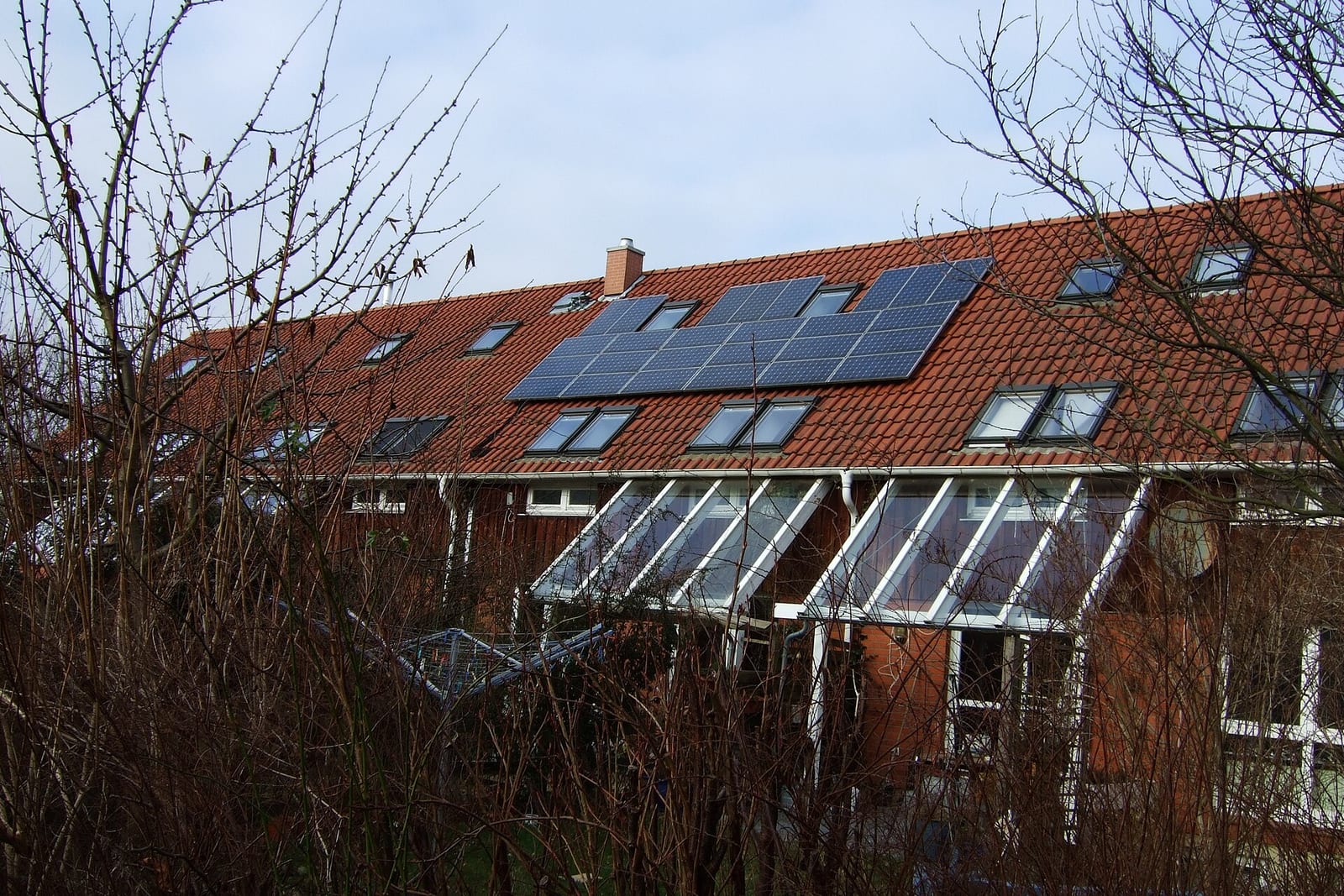
Roof height and pitch matter most. Two storey houses need harnesses or roof anchors, and the Quote Yard adds A$50 to A$100 for them. Steep or fragile tile roofs, panels split across several roof faces, heavy soiling and bird nests all add time.
How much output does dirt actually cost?
Dirt costs most Australian rooftop systems a few per cent of output, and more only in dusty, flat-mounted or bird-affected cases. The best Australian measurements are small studies, so use them as a range, not a promise.
- Perth home system. Tanesab, Parlevliet, Whale and Urmee measured a 1.5 kW residential system in Perth. Dust reduced monthly maximum power output by about 4.5% on average, and the paper concluded the Perth system would need manual cleaning in October (Renewable Energy, 2017, via Murdoch University).
- Darwin dry season. Yap, Baig, Halawa and Karri at Charles Darwin University tracked panels through the Northern Territory wet and dry seasons. Maximum output of the crystalline silicon system rose 9.2% when the first rain cleaned off dry-season dust and bird and bat droppings, and the authors advised washing at least once in the dry season (ISES Solar World Congress paper, 2015). This was a test array in a harsh climate with real fauna soiling.
- California, no rain for 145 days. An engineering team at UC San Diego found panels left uncleaned for 145 days in a summer drought lost only 7.4% of their efficiency, and said washing halfway through would earn a typical 5 kW home only about US$20 (UC San Diego, published in Solar Energy). This is not Australian data, but it shows the scale of a long dry spell.
- Industry estimate. An IEA PV Power Systems Programme report, as reported by RenewEconomy in January 2023, put soiling at 3 to 5% of output (RenewEconomy).
Source: Charles Darwin University (ISES 2015); UC San Diego (Solar Energy); Murdoch University (Renewable Energy 2017). The studies measure different things, so the bars show scale rather than a like-for-like comparison.
View the data as a table
| Output loss | |
|---|---|
| Darwin test array, dry season (Yap 2015) | 9.2% |
| California, 145 days dry (UC San Diego) | 7.4% |
| Perth home, monthly average (Tanesab 2017) | 4.5% |
The three measurements span 4.5% to 9.2%. The higher figures come from months without rain; panels at a normal tilt on a coastal or suburban roof get rinsed regularly. SolarQuotes puts the tilt threshold at 10 degrees: panels flatter than that do not self-clean well (SolarQuotes). See also our guide to solar panel angle and orientation.
Bird droppings, tree sap and bonded salt or pollen are the cases where a clean really helps; see bird proofing solar panels and cloudy day output.
Is solar panel cleaning worth it? A Solar Cobber calculation
A clean pays back when the value of the output it recovers exceeds its price. That depends on how many kilowatt hours your system makes, what each is worth to you, and how dirty the panels really are.
Step 1: annual output. The Clean Energy Regulator rates postcodes in zones, in MWh per kW per year. Zone 3 (Sydney, Brisbane, Adelaide, Perth, Canberra) is 1.382, Zone 2 (Darwin) is 1.536 and Zone 4 (Melbourne, Hobart) is 1.185 (Clean Energy Regulator zone ratings, as at 1 January 2020). A 6.6 kW system in Sydney is rated at 6.6 x 1.382 = 9.12 MWh, or 9,121 kWh a year.
Step 2: value per kWh. This depends on your tariff and how much solar you use at home, so we show four assumed blended values, from 10c to 25c per kWh. These are our assumptions, not published rates.
Step 3: break-even. Clean price divided by (annual kWh x value per kWh) gives the share of a full year’s output the clean must recover to pay for itself in one year.
| Blended value of solar output | Annual value, 6.6 kW Sydney | Gain needed: A$150 clean | Gain needed: A$200 clean | Gain needed: A$280 clean |
|---|---|---|---|---|
| 10c per kWh | A$912 | 16.4% | 21.9% | 30.7% |
| 15c per kWh | A$1,368 | 11.0% | 14.6% | 20.5% |
| 20c per kWh | A$1,824 | 8.2% | 11.0% | 15.3% |
| 25c per kWh | A$2,280 | 6.6% | 8.8% | 12.3% |
- A$150 clean
- A$280 clean
Source: Solar Cobber calculation using Clean Energy Regulator zone rating 1.382 MWh per kW per year. A$150 to A$280 spans the cheaper and dearer ends of the published prices for a home-sized clean; values per kWh are assumptions.
View the data as a table
| A$150 clean | A$280 clean | |
|---|---|---|
| 10c/kWh | 16.4% | 30.7% |
| 15c/kWh | 11.0% | 20.5% |
| 20c/kWh | 8.2% | 15.3% |
| 25c/kWh | 6.6% | 12.3% |
A A$280 clean at 15c needs a 20% gain, far above the 4.5% to 9.2% measured in the studies above; a A$150 clean at 25c needs 6.6%, which is within reach in a dusty season. How long it takes to pay back for different soiling levels, using A$200 and 15c:
| Output lost to dirt before the clean | Extra kWh a year | Value a year | Years to repay a A$200 clean |
|---|---|---|---|
| 2% | 182 | A$27 | 7.3 |
| 5% | 456 | A$68 | 2.9 |
| 10% | 912 | A$137 | 1.5 |
| 15% | 1,368 | A$205 | 1.0 |
| 20% | 1,824 | A$274 | 0.7 |
Source: Solar Cobber calculation: A$200 divided by (9,121 kWh x loss x A$0.15). Generous to cleaning: in practice panels re-soil within months, and rain removes part of the dirt for free.
View the data as a table
| Years to pay back | |
|---|---|
| 2% loss | 7.3 years |
| 5% loss | 2.9 years |
| 10% loss | 1.5 years |
| 15% loss | 1.0 years |
| 20% loss | 0.7 years |
The sums show a clean of a typical, rain-washed roof (3 to 5% loss) takes three to seven years to repay at A$200, longer than most cleans last. A clean pays quickly only at 10% loss or worse, which is the territory of flat panels, farm dust, heavy droppings or sap. SolarQuotes reaches a similar conclusion: its worked example finds cleaning “costs more than it’s worth” in most cases (SolarQuotes).
The practical test is your inverter app. Compare production on similar sunny days before and after a dry spell, or against a neighbour’s system of the same size. Our SolarEdge monitoring guide shows how to read an app, and a persistent drop with clean glass points elsewhere, such as an inverter fault.
When is solar panel cleaning worth paying for?
Cleaning is worth paying for when the cause of the dirt is something rain cannot remove, or when your panels sit flat or in a harsh environment. These are the cases that usually justify it:
- Panels at under about 10 degrees tilt, where water pools and dust cements.
- Near agriculture, unsealed roads, quarries or dry inland sites with heavy dust loading.
- Under trees or bird roosts, where droppings and sap bond to the glass.
- Within sight of the surf, where salt film builds up.
- Moss or a dark band along the lower frame edge, a sign water is not draining.
If none of those apply, a look from the ground twice a year is normally enough, and a service by a licensed electrician every couple of years does more for your system than repeat cleans.
Does cleaning affect my solar warranty?
Yes, if the cleaning is done wrongly. Solar Victoria warns that a system warranty “could be void if the service is not done by the company that installed the system”, and it says cleaners should not stand on the panels and that you should never use a pressure hose. Check your workmanship warranty with your installer before hiring anyone, and read your panel manufacturer’s manual for its cleaning rules (Solar Victoria maintenance guide).
Storm damage is a different matter, covered in our hail damage insurance guide.
What to check before you book
- Get at least two written quotes with a per-panel price, a minimum fee and any storey surcharge.
- Ask what water and pressure the cleaner uses, whether they stand on panels, and for a public liability certificate of currency.
- Check whether the work could affect your installer’s workmanship warranty.
- Compare production before and after, and decline repeat bookings if nothing changed.
Our installer directory lists solar companies by region, and how to choose a solar installer and how to compare solar quotes apply to service quotes too. For the wider picture on system life, see solar panel maintenance and longevity and how long solar panels last.
FAQ
How much does it cost to clean solar panels in Australia?
About A$150 to A$350 for a typical home, or A$8 to A$15 per panel, as at November 2026. Published per-panel figures run from A$3 to A$30, and two storey roofs add roughly A$50 to A$100.
Is solar panel cleaning worth it?
Usually not on a normal tilted roof. On our calculation a A$200 clean of a 6.6 kW Sydney system pays back in about 1.5 years only at 10% output loss, and takes around 3 to 7 years at the 2 to 5% losses typical of rain-washed panels.
How often should I clean my solar panels?
Only when your monitoring shows a drop, or you can see something stuck on the glass. A look from the ground twice a year is enough for most homes, and Solar Victoria recommends a licensed electrician service at least every 2 years.
How much output do dirty solar panels lose?
Measured Australian figures are a few per cent. A Perth home system lost about 4.5% of monthly maximum power to dust, and a Darwin test system gained 9.2% after the first wet season rain.
Does rain clean solar panels?
Rain removes loose dust from panels tilted at about 10 degrees or more, but not bonded material such as bird droppings, sap, salt film or dried pollen. Flat panels clean poorly because water pools and dries in place.
Can I clean solar panels myself?
You can clean what you reach safely from the ground with a soft brush and a gentle hose, and Solar Victoria advises exactly that. Do not climb onto the roof, use a pressure hose or stand on the panels.
Will cleaning void my solar panel warranty?
It can if the cleaning damages the panels, for example with pressure washing, which Solar Victoria says can damage panels, and many manufacturers set cleaning rules in their manuals. Check with your installer before hiring a cleaner.
Is there solar panel cleaning near me?
Search by suburb for window cleaners and solar maintenance companies, and compare quotes. Our directory of installers is a starting point because many installers also offer servicing.
Sources
- Airtasker, solar panel cleaning cost guide (updated June 2025)
- The Quote Yard, solar panel cleaning cost NSW (2026)
- E-Green Electrical, solar panel cleaning Sydney (updated March 2026)
- SolarQuotes, is solar panel cleaning a waste of time and money
- 1KOMMA5, cost to clean your solar panels
- Tanesab and others, Renewable Energy 2017 (Murdoch University record)
- Yap and others, Charles Darwin University, ISES Solar World Congress 2015
- UC San Diego, cleaning solar panels often not worth the cost
- RenewEconomy, dirty panels are cutting output from solar PV by up to five per cent (January 2023)
- Solar Victoria, how to clean and maintain solar panels
- Clean Energy Regulator, postcode zone ratings
About this guide
This guide is independent desk research by the Solar Cobber editorial team, checked in November 2026. Solar Cobber is a free directory that may earn referral or advertising fees from installers; commercial relationships never affect our content. This is not financial advice. Prices and studies change, so confirm current terms before you book. To report a correction, use /contact.
Filed under Maintenance
Back to blog