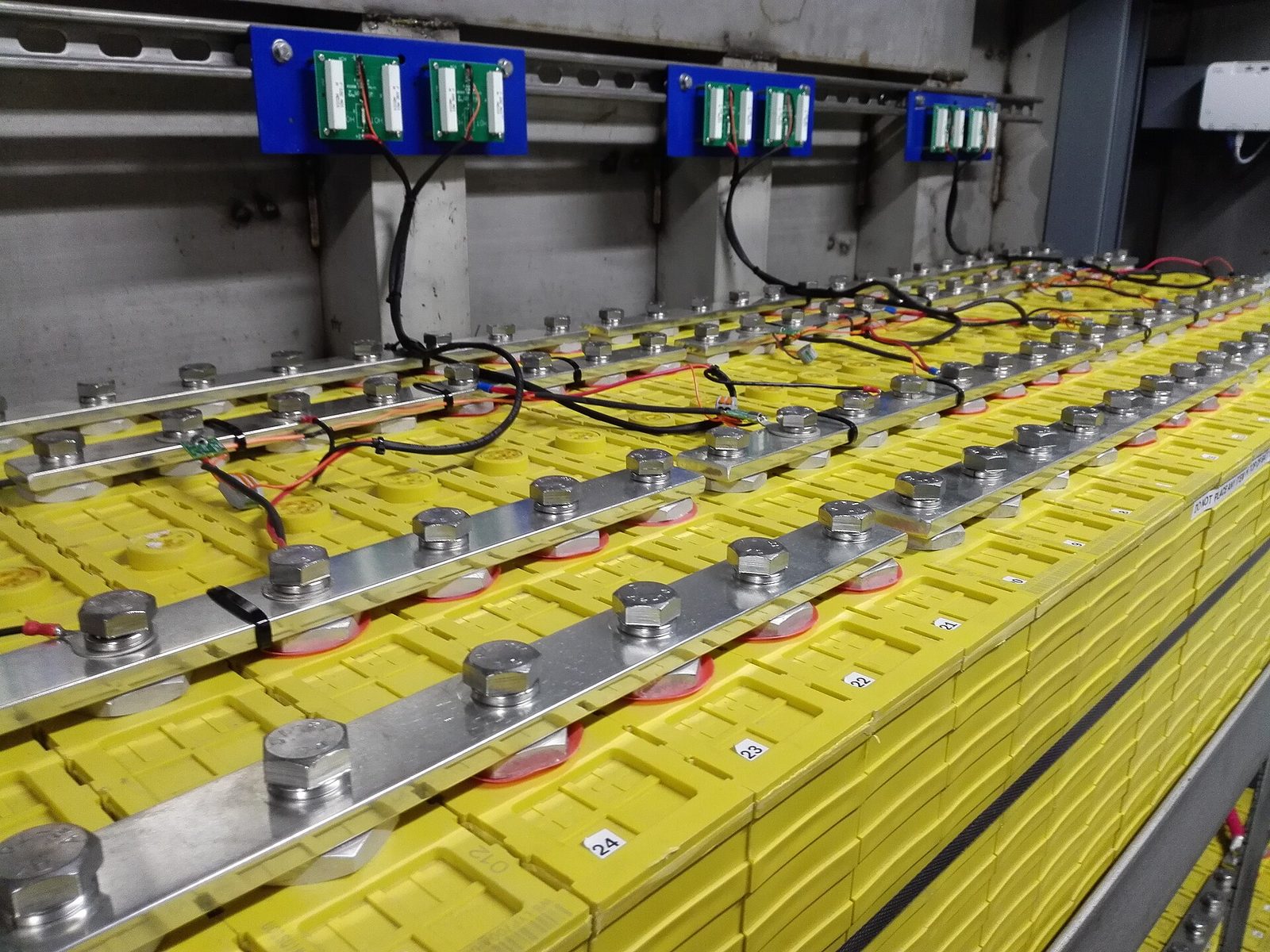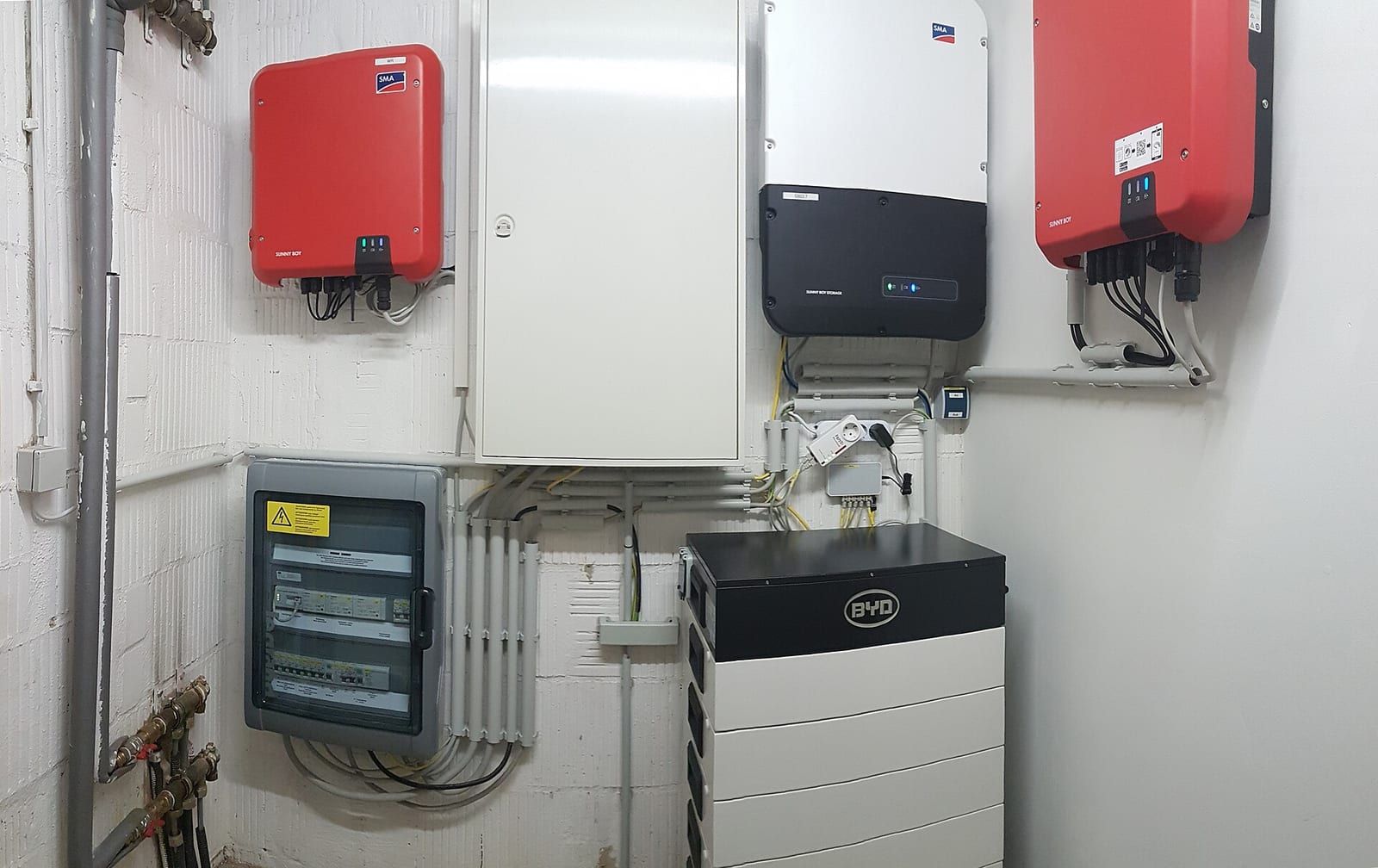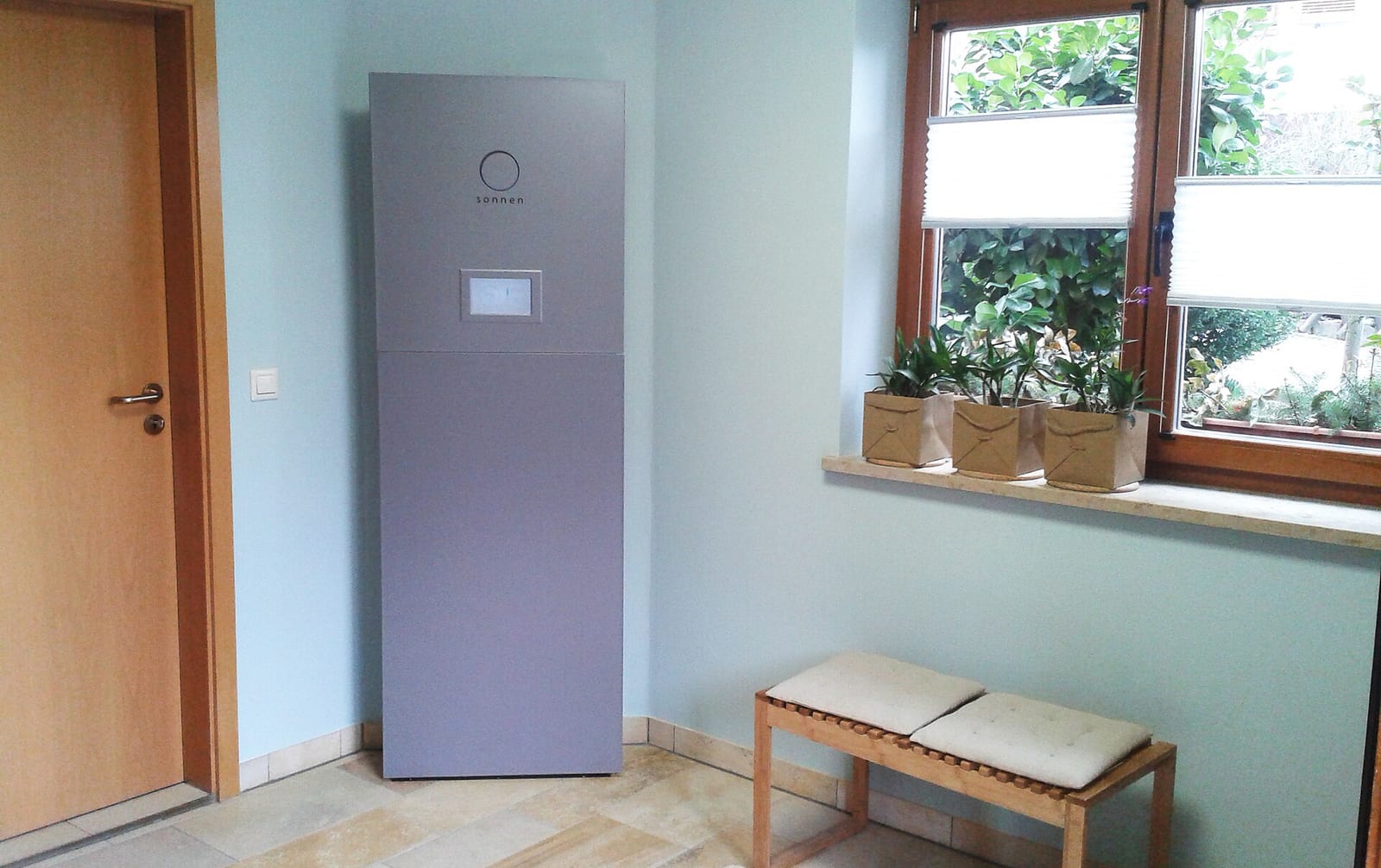
Home batteries sold in Australia are generally safe when an approved product is installed to the standard, but they are not risk free. The Clean Energy Regulator counts 546,789 solar battery systems installed from 1 July 2025 to 30 September 2026, and the ACCC product safety site lists five home battery recall notices, the largest covering around 18,000 LG batteries. Fire services publish little national data, so no honest incident rate exists.
Key facts
- As at 30 September 2026, the Clean Energy Regulator recorded 546,789 solar battery systems installed since 1 July 2025, with usable capacity of 15,287,746 kWh (Solar Cobber calculation from the Clean Energy Regulator capacity files).
- In May 2024 Product Safety Australia said around 18,000 LG home batteries had been affected by recalls since 2020, with 15 incidents of property damage and around 4,400 batteries still to be located.
- The ACCC recall notice for Tesla Powerwall 2 (published 16 September 2025, updated 12 August 2026) says third-party lithium-ion cells may fail and overheat, offers free replacement and reports no injuries.
- The ACCC recall notice for Sigenergy SigenStor single-phase energy controllers (19 November 2025) concerns AC plugs that may overheat, and the remedy is a firmware update, a free replacement plug and an extra two-year warranty.
- Amendment 1 to AS/NZS 5139:2019 was published on 19 December 2025 and is mandatory in New South Wales; Western Australia requires full compliance from 19 June 2026.
- The ACCC said in October 2023 that “there is a lack of Li-ion battery fire related data available at a national level”, and we found no 2025 or 2026 residential battery fire counts from any fire service.
Are home solar batteries safe?
Yes for the large majority of homes, but safety depends on the product, the installation and the location, and a small number of models have been recalled. A home battery stores a lot of energy in lithium-ion cells, so a failed cell can overheat. Standards, approved product lists and installer licensing exist to reduce that risk.
The Clean Energy Regulator data shows how big the installed base has become. The chart shows monthly installations under the Cheaper Home Batteries Program, which started on 1 July 2025.
View the data as a table
| Batteries installed | |
|---|---|
| Jul 25 | 29,523 |
| Aug 25 | 25,804 |
| Sep 25 | 31,137 |
| Oct 25 | 36,732 |
| Nov 25 | 38,714 |
| Dec 25 | 45,398 |
| Jan 26 | 28,606 |
| Feb 26 | 40,809 |
| Mar 26 | 55,342 |
| Apr 26 | 87,128 |
| May 26 | 23,679 |
| Jun 26 | 29,795 |
| Jul 26 | 31,769 |
| Aug 26 | 27,498 |
| Sep 26 | 14,855 |
Australia installed 207,308 batteries in the second half of 2025 and 339,481 in the first nine months of 2026, with a peak of 87,128 in April 2026 before the discount tiers changed on 1 May. Safety data from earlier years describes a much smaller fleet, so older recall history should not be read as the risk of a battery installed today. Our home battery statistics page has the state breakdown.
Which home batteries have been recalled in Australia?
The ACCC product safety site lists five home battery recalls that we found, covering LG, SolaX (LG cells), Tesla and Sigenergy. Checked 14 November 2026.
| Recall | Published | Hazard stated by the ACCC | Remedy stated |
|---|---|---|---|
| LG ESS Home Batteries, Tranche 1 (RESU10H and related; cells made 29 March 2017 to 13 September 2018) | 25 February 2021, extended August 2021 | May overheat and catch fire | Free replacement or refund; enforceable undertaking noted 17 May 2024 |
| LG ESS Home Batteries, Tranche 2 (cells made 21 January 2016 to 28 March 2017 and 14 September 2018 to 30 June 2019) | 29 September 2023 | May overheat and catch fire | 27 May 2024 advice to switch off immediately |
| SolaX Power (LG S/A Gen2 batteries) | 30 March 2022, updated February 2023 | May overheat and catch fire | Free replacement; interim 75% charge limit |
| Tesla Powerwall 2 | 16 September 2025, updated 13 April and 12 August 2026 | Third-party lithium-ion cells may fail and overheat | Free replacement; most units remotely discharged; no injuries reported |
| Sigenergy SigenStor single-phase energy controllers (sold 4 March to 18 November 2025) | 19 November 2025 | AC plugs may overheat, risk of fire | Firmware update, free replacement plug, extra two-year warranty; no property damage, injuries or deaths reported |
Sources are the individual notices at productsafety.gov.au. We found no home battery recalls from other brands dated 2026, and the only 2026 activity is the updates to the Tesla notice. The notices do not state unit counts for Powerwall 2 or Sigenergy.
What happened with the LG battery recall?
The LG recall is the largest and the only one where the ACCC has reported repeated fires and a long tail of unfound batteries. About 7,200 LG batteries were recalled on 25 February 2021, and by May 2022 the ACCC counted nine incidents with property damage and one injury since October 2019 (ACCC media release, 20 May 2022). By October 2023 the total recalled had risen to around 18,000.
Source: Product Safety Australia news releases, 20 November 2023, 5 February 2024 and 27 May 2024.
View the data as a table
| Batteries not located | |
|---|---|
| Nov 2023 | 6,000 |
| Feb 2024 | 5,000 |
| May 2024 | 4,400 |
The number of unlocated batteries fell from about 6,000 in November 2023 to about 4,400 in May 2024. Property damage incidents over the same period rose from nine (May 2022) to 13 (February 2024, including a destroyed house in Victoria) and 15 (May 2024).
If you own a battery made by LG or sold under another brand with LG cells, check your model and serial number against the notice. The recall pages remain live and tell owners to shut down affected batteries until remedied; we could not find an ACCC status update after May 2024.
Solar Cobber calculation: how long before a fault showed up?
Recalls arrive at very different times after a product is made. We measured the gap between the end of the production or sales window named on each notice and the notice date.
| Recall | End of window on notice | Notice published | Gap (months) |
|---|---|---|---|
| LG Tranche 1 | 13 September 2018 (last cells made) | 25 February 2021 | 29 |
| LG Tranche 2 | 30 June 2019 (last cells made) | 29 September 2023 | 51 |
| Sigenergy SigenStor | 18 November 2025 (last sales) | 19 November 2025 | 0 |
Source: ACCC recall notices PRA 2020/18529, PRA 2022/19550 and PRA 2025/20703.
View the data as a table
| Months | |
|---|---|
| LG Tranche 2 | 51 months |
| LG Tranche 1 | 29 months |
| Sigenergy SigenStor | 0 months |
The two LG recalls came two to four years after the cells were made, while the Sigenergy plug issue was recalled within a day of the end of its sales window. The lesson for owners is practical: register your battery with the manufacturer so you can be contacted, because faults and recalls can appear years after installation.
Do solar batteries catch fire?
Yes, they can, but published data suggests residential battery fires are rare compared with the number installed, and most lithium-ion fires involve other products. Because no national dataset exists, we cannot give a reliable rate and we do not try.
| Figure | Period | Publisher |
|---|---|---|
| 149 battery-related incidents in NSW, up 16% on the previous year; 14% involved stationary energy storage (may include non-lithium batteries) | 1 January to 15 September 2023 | Fire and Rescue NSW, as reported in the ACCC lithium-ion report |
| 157 fires caused by lithium-ion batteries in Queensland, all uses | 1 July 2021 to 17 January 2023 | QFES, as reported in the ACCC lithium-ion report |
| 231 product safety reports about lithium-ion batteries and 23 recalls affecting about 89,000 products, all lithium-ion products | Five years to October 2023 | Product Safety Australia |
Fourteen per cent of 149 is about 21 incidents involving stationary storage in the first nine months of 2023 (Solar Cobber calculation), a category that includes non-lithium systems and is not limited to homes. SolarQuotes (5 August 2024) reported that Fire and Rescue NSW recorded one residential battery storage fire in 2022 and three in 2023, but we could not open the underlying report, so treat that as reported. The same three-fire figure appears in our LFP battery explained guide, attributed to Energy Matters.
Does battery chemistry change the risk?
Chemistry changes the margin but not the need for correct installation. Lithium iron phosphate (LFP) cells begin thermal runaway at a higher temperature than nickel manganese cobalt (NMC) cells, and nearly every home battery we have reviewed uses LFP. Our LFP battery explained guide has the temperature and cycle-life comparison.
Chemistry does not prevent faults in other parts of the system. The Sigenergy recall was about AC plugs, not cells, and the ACCC notices do not state the cell chemistry of the recalled LG and Powerwall 2 units, so we do not draw a chemistry conclusion from them. Whatever the chemistry, a battery with a fault in its electronics, wiring or isolation can still overheat.
Where can a home battery be installed?
AS/NZS 5139 restricts batteries from habitable rooms, ceiling spaces, wall cavities, stairways and escape routes, and requires clearance from exits and windows. The standard is Australia’s rule for battery systems used with power conversion equipment, and installers must follow it. We have not read the standard’s clauses, so the table combines the current NSW regulator advisory with a Renew summary of the original standard.
| Rule | Detail | Source |
|---|---|---|
| Not allowed in habitable rooms | Bedrooms, living rooms and studies count; bathrooms, laundries, pantries and hallways are not habitable rooms | Renew, March 2020 |
| Not allowed in ceiling spaces, wall cavities, under stairways or walkways, or in escape routes | Applies to the original 2019 standard | Renew, March 2020 |
| Clear space around the battery | At least 600 mm to each side and 900 mm above, from windows, doors and appliances such as hot water units and air conditioners | Renew, March 2020 |
| Barrier where a habitable room is on the other side of the wall | Non-combustible barrier; Amendment 1 requires exempt materials to be at least 6 mm thick | Renew, March 2020; Building Commission NSW, 2026 |
| Opening exception | Battery systems may be installed within 600 mm of an opening wider than 900 mm, such as a garage door | Building Commission NSW, advisory 1/2026 |
| Paperwork | A physical copy of the safety data sheet must be provided and protected from damage | Building Commission NSW, advisory 1/2026 |
The most common locations are an external house wall or a garage, and the Renew article notes a bollard may be needed to protect a battery from vehicles. Rules and exceptions can differ by battery category and by state, so ask your installer to name the clause that applies to your location.
What changed in 2026?
Amendment 1 to AS/NZS 5139:2019 was published on 19 December 2025 and is mandatory in NSW (Building Commission NSW advisory 1/2026, updated 25 March 2026). It lets inverters sit in the restricted location and adds rules for building materials within 1 metre of a battery classed as a chemical hazard. Western Australia requires full compliance from 19 June 2026 (Building and Energy, 13 May 2026). The Clean Energy Council approved battery list is also moving to SA TS 5398, which becomes the only accepted option from 1 January 2027.
What must the installer do?
The installer must be a licensed electrician (and, for Clean Energy Council programs, accredited) who selects an approved battery, installs it to AS/NZS 5139 and gives you the documentation. The state electrical regulator sets the exact licence and certificate rules, so ask for your state’s certificate of compliance or equivalent.
Our research could not verify the full federal program eligibility conditions for installers and products today, so check the current rules for the Cheaper Home Batteries Program and your state scheme in solar battery rebates by state before you sign.
What should an owner check?
A short checklist reduces most avoidable risk. Use it at quote stage and again at handover.
- Ask which clause of AS/NZS 5139 applies to the chosen location and where the clearances are measured from.
- Confirm the battery model is on the Clean Energy Council approved battery list on install day and ask for the datasheet and warranty.
- Search the ACCC recalls site for the brand and model, and register the battery with the manufacturer.
- Ask for the safety data sheet in physical form and for the installation certificate.
- Keep the area around the battery clear of storage and combustible items, and keep the manufacturer’s app alerts switched on.
- If the battery makes unusual noises, smells, swells or shows a fault code, follow the manufacturer’s instructions and contact the installer; in a fire or smoke situation call 000.
Our how to choose a solar installer guide covers questions to put to an installer, and you can browse Solar Cobber’s installer directory or a state page such as Queensland or Victoria. For reviewed products, see our Tesla Powerwall 3 review, Sigenergy SigenStor review and SolaX battery review, or compare options in best solar batteries in Australia.
Does home insurance cover a solar battery?
Often it can, but cover and conditions depend on the insurer and policy, and we did not find insurer-published rules we could verify. Tell your insurer about the battery, ask whether it is covered as part of the home or as an add-on, and ask whether they require a compliant installation certificate. Our solar panel hail damage and insurance guide covers how claims on solar equipment generally work. Compare the cost of a battery against savings in are solar batteries worth it and its lifespan in how long do solar batteries last.
FAQ
Are solar batteries safe to have in your home?
Yes when an approved battery is installed to AS/NZS 5139 by a licensed electrician, but no lithium battery is risk free. Five home battery recalls are listed on the ACCC product safety site as at November 2026. Correct location, clearances and a registered warranty reduce most avoidable risk.
Do home batteries catch fire?
They can, but published data suggests it is rare relative to the 546,789 installed from July 2025 to September 2026. Fire and Rescue NSW reportedly recorded three residential battery storage fires in 2023. No national dataset exists, so a precise rate cannot be calculated.
Was there an LG battery recall in Australia?
Yes. The ACCC lists two LG ESS Home Battery recall tranches, covering around 18,000 batteries since 2020. In May 2024 Product Safety Australia reported 15 property damage incidents and about 4,400 batteries still to be located. Affected owners should switch the battery off and contact LG.
Is a Tesla Powerwall safe?
The ACCC recalled the Tesla Powerwall 2 on 16 September 2025 because third-party lithium-ion cells may fail and overheat, with free replacement and no injuries reported. That notice covers the Powerwall 2. Check the notice and your serial number if you own one.
Where can a solar battery not be installed?
Not in habitable rooms, ceiling spaces, wall cavities, under stairways or in escape routes, and with clearance from exits, windows and appliances. A battery may be within 600 mm of an opening wider than 900 mm, such as a garage door, under Amendment 1. Ask your installer for the clause that applies.
Can I install a battery in my garage?
Often yes, because a garage or external wall is the most common location, subject to clearances and protection from vehicles. The installer must meet AS/NZS 5139 for your garage layout. Garage door openings wider than 900 mm have a specific exception in Amendment 1.
What should I do if my battery is recalled?
Check the ACCC recall notice for your model and serial number, follow its instructions, and contact the manufacturer. For LG batteries the ACCC advised owners to switch the battery off immediately until remedied. Do not open the battery yourself.
Are LFP batteries safer than other lithium batteries?
LFP cells begin thermal runaway at a higher temperature than NMC cells, giving a larger safety margin, but faults in electronics or wiring can still cause overheating. The Sigenergy recall concerned AC plugs rather than cells.
Sources
- Clean Energy Regulator, small-scale installation postcode data (current as at 30 September 2026)
- Product Safety Australia, LG ESS Home Batteries Tranche 1 recall
- Product Safety Australia, LG ESS Home Batteries Tranche 2 recall
- Product Safety Australia, SolaX Power (LG S/A Gen2) recall
- Product Safety Australia, Tesla Powerwall 2 recall
- Product Safety Australia, Sigenergy SigenStor energy controllers recall
- Product Safety Australia, LG undertakes to take more steps to locate and fix dangerous solar batteries (27 May 2024)
- ACCC, Lithium-ion batteries and consumer product safety (3 October 2023)
- ACCC media release, consumers urged to check solar energy storage batteries (20 May 2022)
- Building Commission NSW, Changes to the Battery Standard (advisory 1/2026)
- WA Building and Energy, updated electrical installation standards for battery systems (13 May 2026)
- Renew, New battery installation rules (2 March 2020)
- Clean Energy Council, battery specs change: transitioning to TS 5398
- ABC News, plug-in solar and batteries (12 November 2026)
About this guide
Written by the Solar Cobber editorial team from independent desk research checked in November 2026. Solar Cobber is a free directory that may earn referral or advertising fees from installers; commercial relationships never affect our content. This is general information, not financial or safety advice. Spotted an error? Tell us via /contact.
Filed under Solar Products
Back to blog