
How long do solar batteries last in Australia? As at November 2026, most home batteries are warranted for 10 years to about 70% of their original capacity, and the Enphase IQ Battery 5P is warranted for 15 years. Most current models use lithium iron phosphate (LFP) chemistry. The warranty is the best evidence available: current LFP models are too new for anyone to have proven a 15 year life.
Key facts
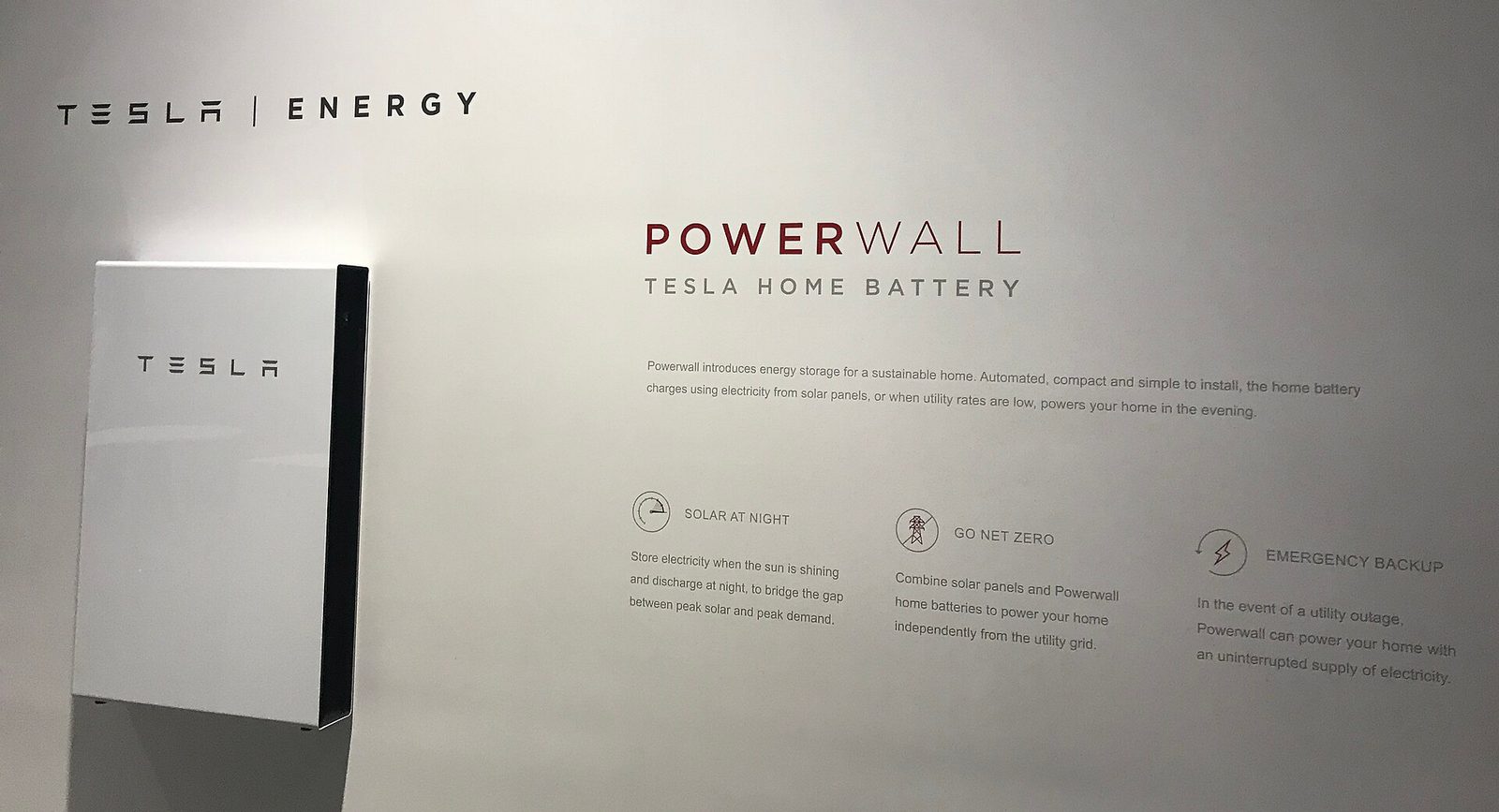
- As at November 2026, the Tesla Powerwall 3 warranty in Australia runs 10 years to 70% of its 13.5 kWh rated capacity, with unlimited cycles for self-consumption, time-of-use and backup use.
- The Sigenergy SigenStor and BYD Battery-Box Premium warranties each end at 10 years, 70% retained capacity or about 3 MWh of throughput per usable kWh, whichever comes first, with no unlimited-cycle exception.
- The Enphase IQ Battery 5P is warranted for 15 years or 6,000 cycles, with 70% capacity at 10 years and 60% at 15 years, the longest term among the ten batteries we compared.
- At one full cycle a day, a battery with a 3 MWh per usable kWh throughput cap reaches that cap in about 8.2 years, which is before the 10 year warranty term ends.
- In the Canberra Battery Test Centre’s final phase, reported by SolarQuotes in August 2022, none of the eight batteries tested was problem-free, and only one lost severe capacity.
- Home energy storage systems are not accepted at B-cycle drop-off points, according to the B-cycle website in November 2026.
How long do solar batteries last in years?
Expect about 10 years of warranted life. A battery that has dropped to 70% capacity is still working, just storing less.
How many cycles does a solar battery last?
A cycle is one full charge and discharge of the usable capacity. The warranty throughput caps in the table below equal roughly 2,800 to 4,200 full cycles, and Enphase states 6,000. Energy Matters (October 2026) lists LFP at 3,000 to 6,000 or more cycles and nickel manganese cobalt (NMC) at 1,000 to 2,500 cycles, both measured at 80% depth of discharge. These are industry ranges, not guarantees.
LFP vs NMC: which lasts longer?
LFP generally lasts longer than NMC in cycle terms, and it is the chemistry in nearly every Australian home battery we have reviewed. Energy Matters (October 2026) says LFP now dominates residential storage in Australia. The one exception we found is the SolarEdge Home Battery 400V, which SolarQuotes lists as NMC; the 48V version is LFP.
Solar battery warranty comparison (November 2026)
This table compares warranty terms for ten batteries we have reviewed, checked in November 2026 against the manufacturer documents listed under Sources. “Throughput” is the total energy a battery may deliver before performance cover ends; figures per kWh are our own division.
| Battery | Warranty term | Retained capacity | Throughput limit | Source |
|---|---|---|---|---|
| Tesla Powerwall 3 | 10 years | 70% | Unlimited cycles for self-consumption, time-of-use and backup; 37.8 MWh (2.8 MWh per kWh) for other uses | Tesla |
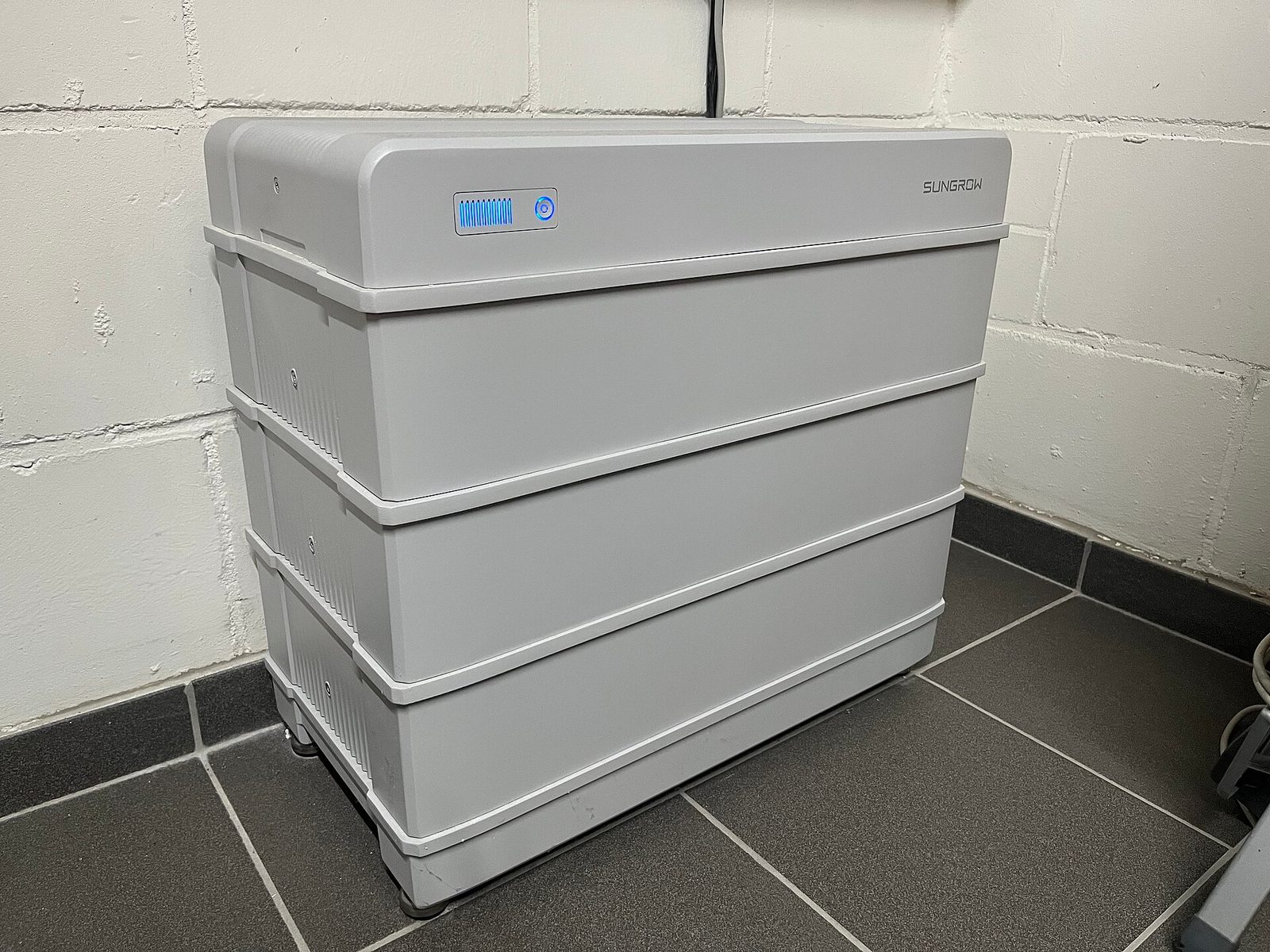
| Sungrow SBR | 10 years (10.5 from manufacture) | 70% | Unlimited cycles for self-consumption and backup; 2.8 MWh per kWh for other uses | Sungrow |
| Sigenergy SigenStor | 10 years | 70% | About 3 MWh per kWh, all uses | Sigenergy |
| BYD Battery-Box Premium | 10 years | 70% | About 3 MWh per kWh, all uses | BYD |
| GoodWe Lynx F G2 | 10 years | 70% | 46.72 MWh for 12.8 kWh (about 3.65 MWh per kWh, one cycle a day) | GoodWe |
| Fox ESS EQ4800 | 10 years (no more than 125 months from manufacture) | 70% | 39.32 MWh for a two-module stack (about 4,200 cycles) | Fox |
| AlphaESS SMILE G3 | 10 years | 70% | 3.12 MWh per kWh (as reported by SolarQuotes; current document not obtained) | SolarQuotes |
| Enphase IQ Battery 5P | 15 years | 70% at 10 years, 60% at 15 years | 6,000 cycles | Enphase |
| Huawei LUNA2000 | 10 years | 60% end-of-life capacity | 16.45 MWh per 5 kWh module (about 3.29 MWh per kWh) | Huawei policy |
| SolarEdge Home Battery 48V | 10 years | 70% | 2.87 MWh per kWh | SolarEdge |
Detail on each is in our battery reviews, including the Tesla Powerwall 3, Sungrow SBR, Sigenergy SigenStor, BYD Battery-Box Premium and Enphase IQ Battery 5P.
How long will a battery last at one cycle a day? A worked example
A battery with a throughput cap of 3 MWh per usable kWh reaches that cap in about 8.2 years if it is fully cycled every day. The working: 3,000 kWh allowed per usable kWh, divided by 365 kWh used per usable kWh a year.
Assumptions: a 12.8 kWh battery with a 38.5 MWh cap (the BYD HVS 12.8 figure, 38.53 MWh), cycled equally every day, cap applying to all uses.
| Daily use | Energy through the battery per year | Years to reach 38.5 MWh | Outcome |
|---|---|---|---|
| 0.75 of a full cycle a day | 3,504 kWh | About 11.0 years | Reaches the 10 year term first |
| 1.0 full cycle a day | 4,672 kWh | About 8.2 years | Cap reached about 1.8 years early |
| 1.5 cycles a day (night charge plus solar) | 7,008 kWh | About 5.5 years | Cap reached about 4.5 years early |
SolarQuotes reached similar figures for the BYD Battery-Box Premium: about 8.3 years at one cycle a day. Caps matter most on time-of-use tariffs that charge from the grid overnight, and in a virtual power plant.
What does “end of life” mean for a solar battery?
End of life for a solar battery means its usable capacity has fallen to the warranty threshold, usually 70% (60% for Huawei and Enphase at 15 years), not that it has stopped working. A 13.5 kWh Powerwall 3 at 70% still stores about 9.45 kWh.
Warranty cover ends at the first of the term, the retention threshold or the throughput cap. After that you can keep using the battery or replace it. Sungrow modules added later take the original system’s start date, so a module added in year six has only four years of cover, while BYD gives later modules their own warranty from their own sale date.
What shortens solar battery life?
Heat, heavy cycling and being offline are the main things that shorten warranted life. Each is written into current Australian warranties.
Heat and installation location
Excess heat shortens battery life, and several warranties exclude cover outside a temperature band. Sungrow’s V9.0 warranty, for installs from 21 May 2026, says performance and throughput cover may not apply if the battery sees 90 or more days a year between 35 and 40 degrees Celsius, or 30 or more days above 40 degrees Celsius. BYD and Fox ESS exclude operation outside -10 to 50 degrees Celsius, and the SolarEdge 48V warranty requires 0 to 40 degrees Celsius for 95% of the term.
A shaded, ventilated spot is the practical answer, and installers must follow AS/NZS 5139 on battery location.
Depth of discharge and cycling
Cycling a battery deeper and more often uses up its throughput allowance faster. Your main lever is how many cycles you ask for; the battery management system handles depth of discharge itself.
VPP participation and what warranties say
Joining a virtual power plant (VPP), a group of home batteries an operator controls together, can use up a throughput cap faster. SolarQuotes (May 2023) said households would most likely exceed Sungrow’s cap if the battery sits in a VPP that works it hard. Tesla’s 37.8 MWh cap applies to uses other than self-consumption, time-of-use and backup, which SolarQuotes reads as covering stored energy exported to the grid. Ask your installer in writing how the battery maker classifies your VPP. See our VPP guide.
Being offline, stock age and installer rules
Several warranties shrink if the battery is disconnected. Tesla may honour only four years if the battery stays offline, Sungrow commits to at least four years if monitoring data is incomplete, and Sigenergy drops cover to five years after a year disconnected. Huawei starts the clock 180 days after shipping, so old stock can lose warranty time before installation.
What does independent testing say about battery lifespan?
Independent Australian testing found most batteries faded modestly but nearly all had faults. The Canberra Battery Test Centre, run by ITP Renewables with ARENA funding from March 2015 to May 2022, tested 26 batteries in three phases, according to ARENA.
SolarQuotes reported the final phase in August 2022. Eight systems were tested from January 2020 to March 2022, mostly cycled about three times a day, roughly three times household use. SolarQuotes found:
- No battery was problem-free.
- The BYD HVM 11.0 showed no measurable loss after about 1,180 cycles but had two major faults.
- The DCS PV 10.0W fell to 57% after about 1,100 cycles.
Limits apply: one unit of each model was tested, and fast cycling may overstate fade. SolarQuotes also warns that “stealth” faults can go unnoticed, so watch your monitoring data.
When to replace a solar battery
Replace a battery when its usable capacity no longer covers your evening use, or when an out-of-warranty fault costs more than a replacement. Check your monitoring app each year for usable kWh delivered, and lodge any claim before the term ends. Claims have deadlines: BYD, Enphase and Sigenergy require notice within about 30 days of discovering a defect, and GoodWe within one month.
We could not confirm whether a replacement battery qualifies for the federal Cheaper Home Batteries discount, so check with the Clean Energy Regulator. See also are solar batteries worth it and the best solar batteries in Australia.
Solar battery recycling and disposal
Home batteries cannot be dropped at household battery points; use your installer or a specialist recycler. The B-cycle website, as read in November 2026, says its drop-off points do not accept batteries from home energy storage systems, vapes, solar panels or caravans. The New South Wales Product Lifecycle Responsibility Regulation 2026, which starts on 1 October 2026, regulates small batteries up to 5 kg and e-mobility batteries, and a Hamilton Locke summary does not list home stationary batteries.
Ask for removal and recycling in any replacement quote. For panels see our solar panel recycling guide.
What to check on your quote
Ask for the warranty PDF for your exact model and install date, and check:
- Retained capacity at year 10 and whether it is 60% or 70%.
- Whether cycles are unlimited for your use or capped, and the cap in MWh.
- How the maker classifies VPP use.
- Whether the battery must stay online, and what happens to cover if it does not.
- Who pays warranty labour, and what happens if your installer closes.
Compare installers in the Solar Cobber directory, and check accreditation yourself on the Clean Energy Council and Solar Accreditation Australia registers.
FAQ
How long do solar batteries last?
Most home solar batteries sold in Australia are warranted for 10 years, and Enphase offers 15 years. Check the throughput cap, which can end cover before year 10.
How many cycles does a solar battery last?
LFP batteries are commonly rated at 3,000 to 6,000 or more cycles. Energy Matters (October 2026) gives those figures at 80% depth of discharge. Warranty throughput caps for the batteries we reviewed equal roughly 2,800 to 4,200 full cycles, and Enphase states 6,000.
How long does a Tesla Powerwall last?
The Tesla Powerwall 3 is warranted for 10 years to 70% of its 13.5 kWh capacity in Australia. Cycles are unlimited for self-consumption, time-of-use and backup. A 37.8 MWh cap applies to other uses.
How long do LFP batteries last?
LFP batteries are rated at about 3,000 to 6,000 or more cycles, which is 8 to 16 years at one cycle a day if the rating is met. We found no independent data proving current Australian LFP models last beyond their 10 year warranties.
Do solar batteries degrade?
Yes, all lithium batteries lose capacity gradually. The Canberra Battery Test Centre’s final phase found only one of eight batteries, the DCS PV 10.0W, with severe capacity loss.
Does a VPP shorten battery life?
A VPP can shorten warranted life because exported energy can count toward throughput caps. Ask your installer how the maker treats your VPP.
Can a solar battery last 20 years?
It is possible but unproven. No major maker in our table warrants more than 15 years, and 15 years carries a 60% capacity floor.
What happens when a solar battery reaches end of life?
It keeps working at reduced capacity, usually 70% or more of the original. Replace it when it no longer covers your needs. Home batteries are not accepted at B-cycle drop-off points, so use your installer or a specialist recycler.
Sources
- Tesla Powerwall Warranty, Australia and New Zealand
- Sungrow HV Battery Limited Warranty V9.0
- Sigenergy Limited Warranty, Australia and New Zealand
- BYD Battery-Box Premium HV warranty terms, Australia V1.1
- GoodWe Lynx F G2 warranty, AU and NZ
- Fox ESS Australian battery warranty v2.7
- Enphase IQ Battery 5P limited warranty (June 2024)
- SolarEdge Home Battery 48V limited warranty
- SolarQuotes, AlphaESS battery warranty
- SolarQuotes, Sungrow battery warranty (May 2023)
- SolarQuotes, Canberra Battery Test Centre Phase 3 results (August 2022)
- ARENA, Testing the performance of lithium-ion batteries
- Energy Matters, LFP vs NMC battery chemistry (October 2026)
- B-cycle, what batteries are accepted
- Hamilton Locke, NSW mandatory battery stewardship scheme
- Clean Energy Regulator
About this guide
Written by the Solar Cobber editorial team from independent desk research checked in November 2026. We did not test any battery. Solar Cobber is a free directory that may earn referral or advertising fees from installers, and commercial relationships never affect our content. This is general information, not financial advice. To report a correction, contact us.
Filed under Solar Products
Back to blog