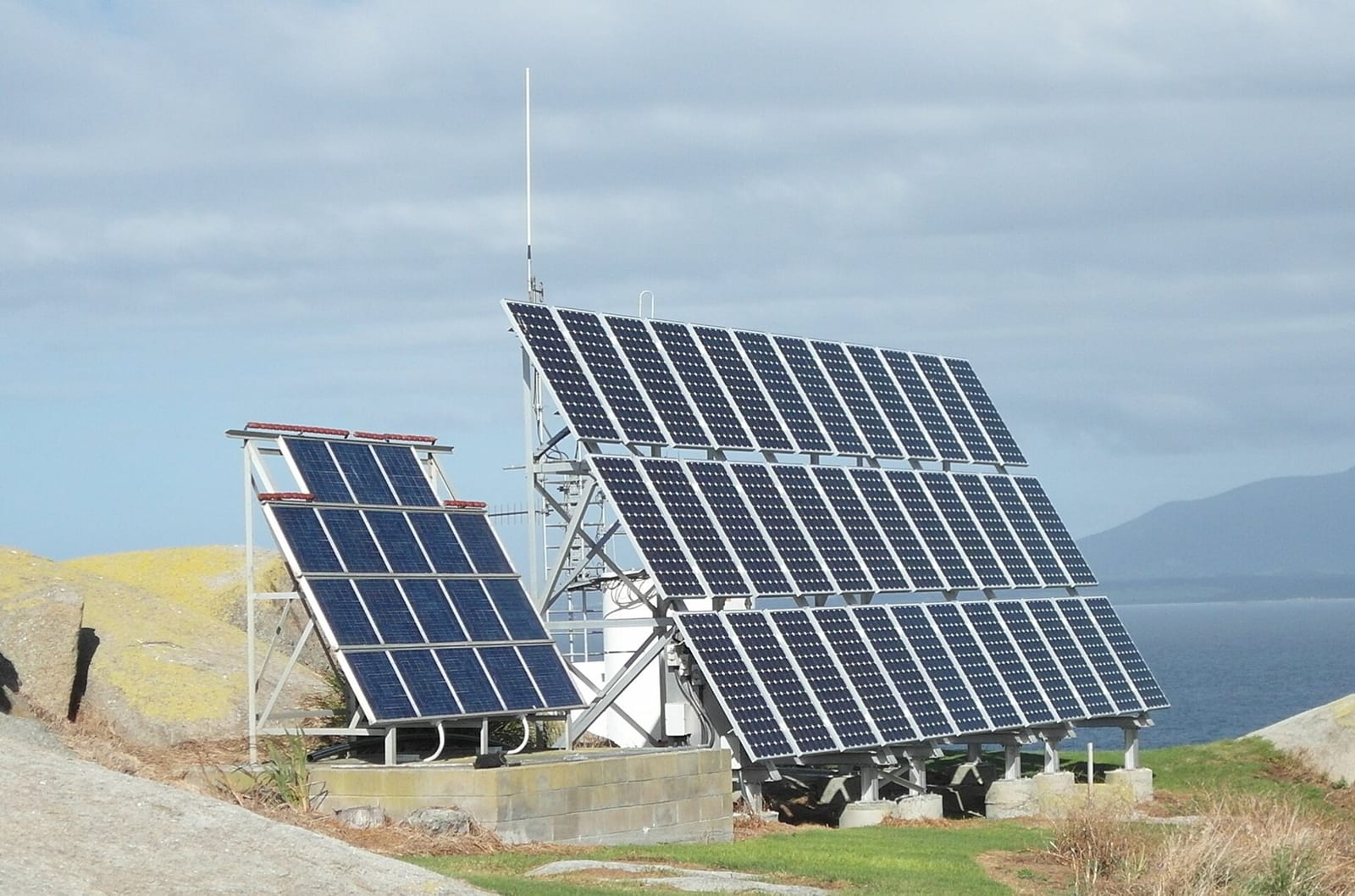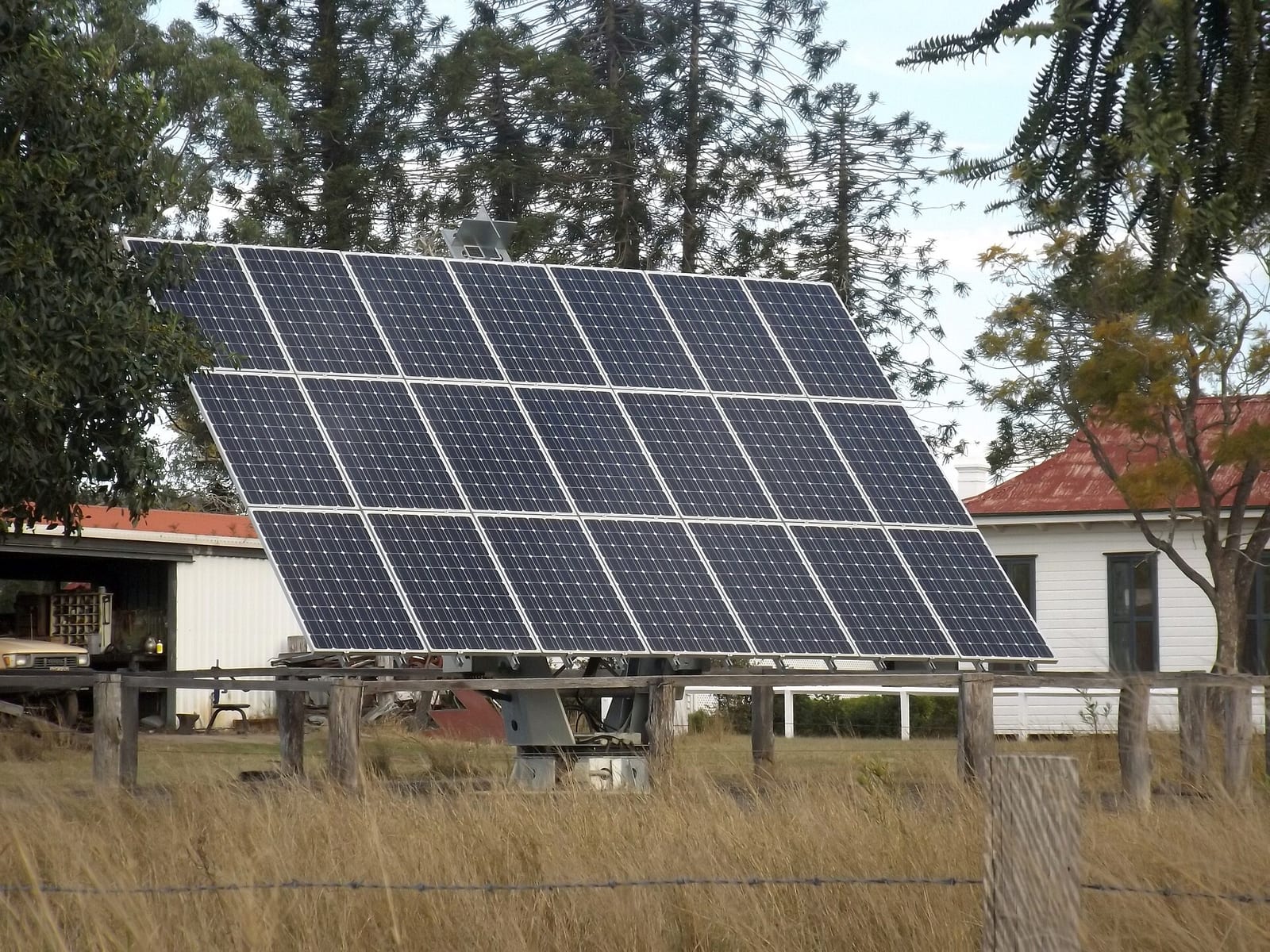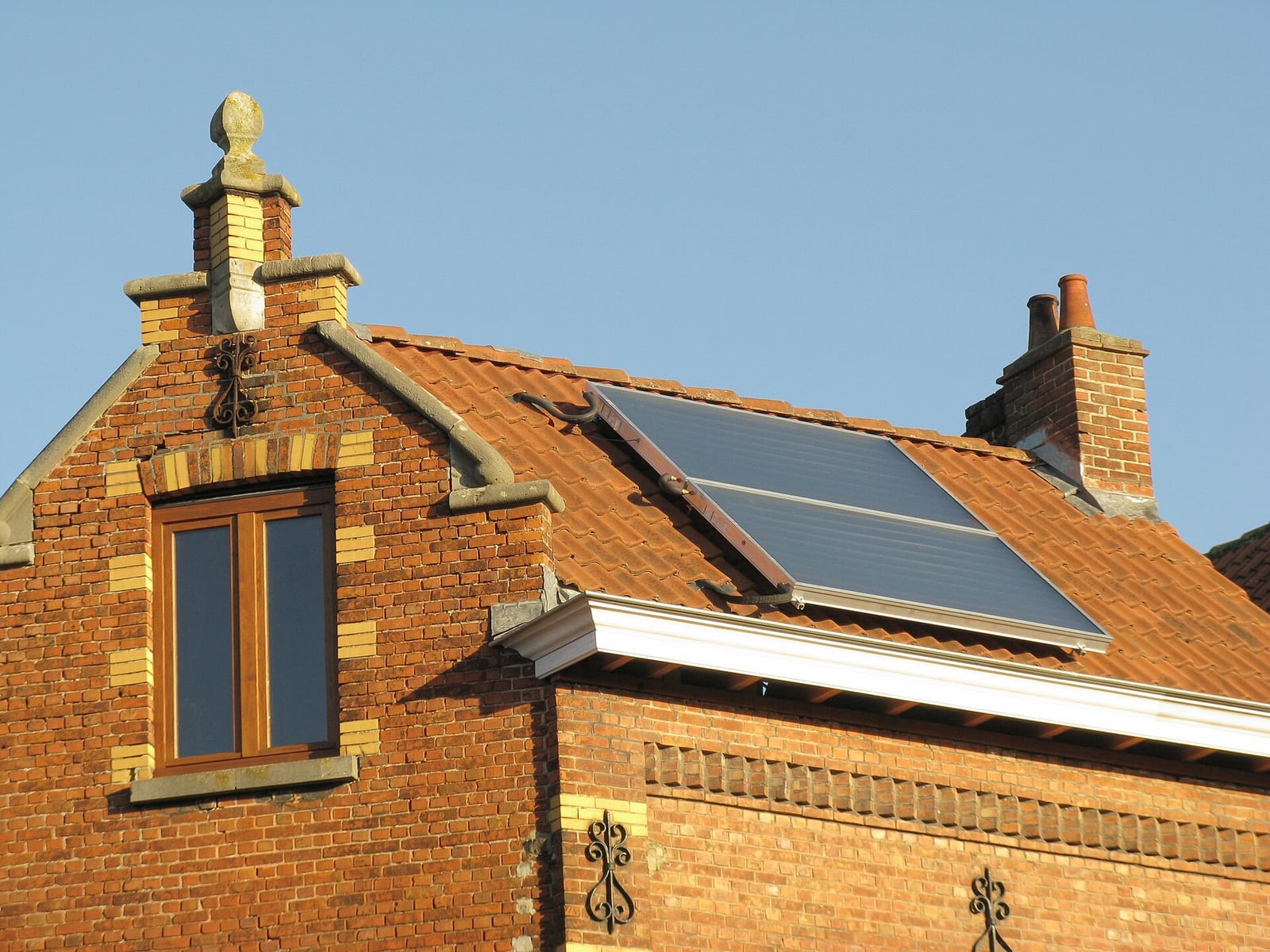
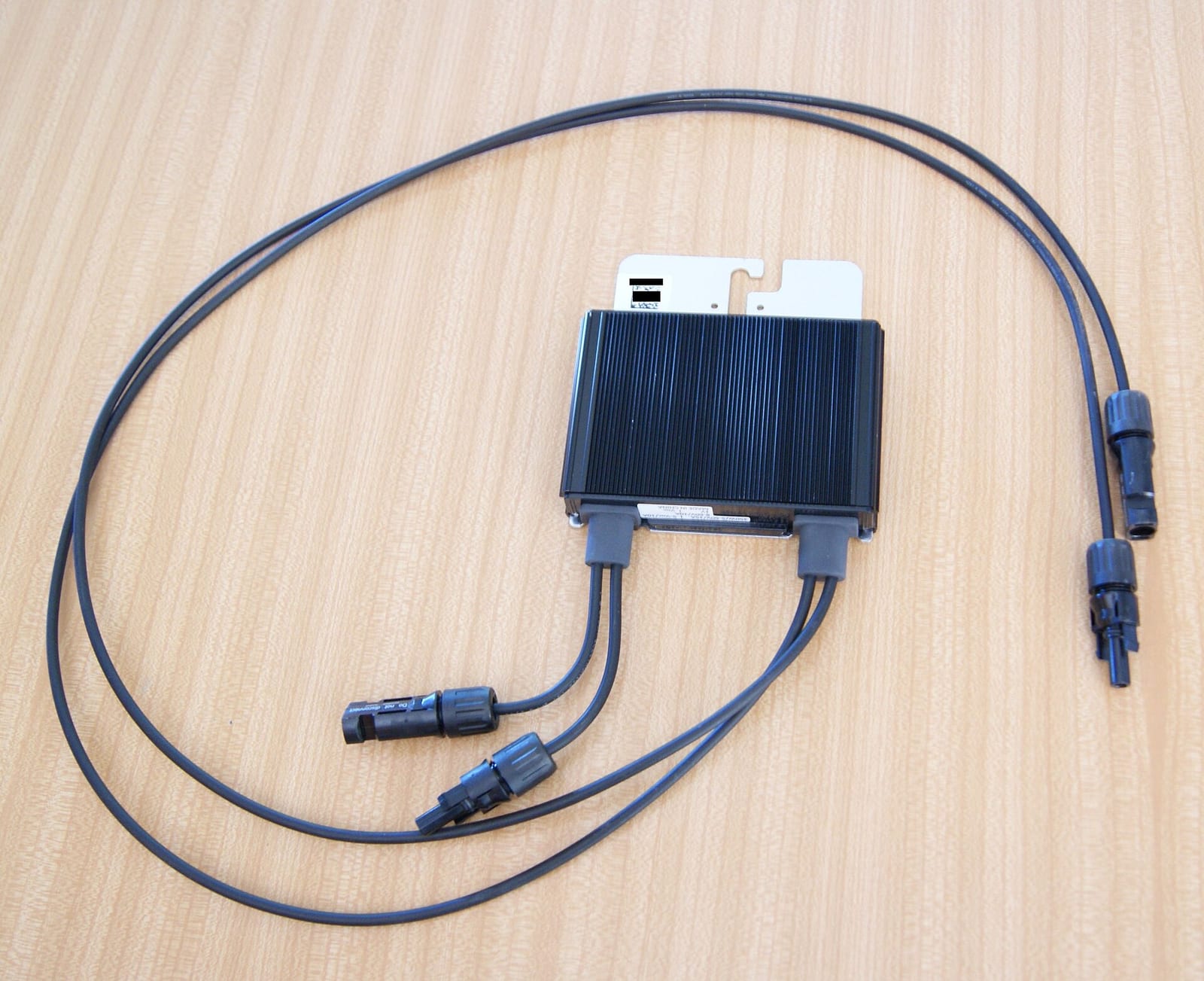
Solar panel optimisers are small electronics fitted to individual panels so that shade or dirt on one panel does not drag down the others in its string. As at November 2026, Tigo optimisers (about A$100 a panel in published Australian estimates) can be added to a few shaded panels on almost any string inverter, while SolarEdge optimisers need a SolarEdge inverter on every panel, and SolarEdge announced on 9 November 2026 that it is leaving Australia.
Most roofs do not need them. The published tests below show optimisers losing slightly on unshaded roofs and winning only when a panel is partly covered or faces a different way.
Key facts
- A solar panel optimiser is a DC to DC converter fitted to a single panel that tracks that panel’s maximum power point, so one weak panel no longer sets the current for the whole string.
- Tigo Energy sells its TS4-A-O optimiser in Australia as an add-on that works with a wide range of inverters, and its Australian datasheet (PSD-00015-00 REV 1.1, 9 February 2022) rates it for panels up to 700 W and 15 A.
- Tigo’s limited warranty runs 25 years for TS4 units, but excludes the labour to remove and refit a faulty unit and requires monitoring registration within 90 days of installation.
- pv magazine Australia reported on 9 November 2026 that SolarEdge is ending direct sales and operations in Australia and New Zealand, with final purchase orders due by 20 November 2026 and final deliveries by 18 December 2026.
- Australian sources put a single Tigo unit at roughly A$100, and one puts optimisers on a 6.6 kW system at A$1,600 to A$2,000 installed (undated).
What do solar panel optimisers do?
An optimiser does the maximum power point tracking (MPPT) for one panel instead of leaving it to the inverter. In a plain string, every panel carries the same current, so a shaded panel limits its neighbours. With an optimiser on that panel, the string no longer has to compromise. Our guide to string inverters, optimisers and microinverters explains MPPT in more detail.
Optimisers also report production for each panel to a monitoring app and can shut panel voltage down for safety. SolarEdge says its optimisers drop to 1 V when the inverter is off, per our SolarEdge Home Hub inverter review. Tigo’s rapid shutdown needs its Access Point (TAP) and Cloud Connect Advanced (CCA) gateway.
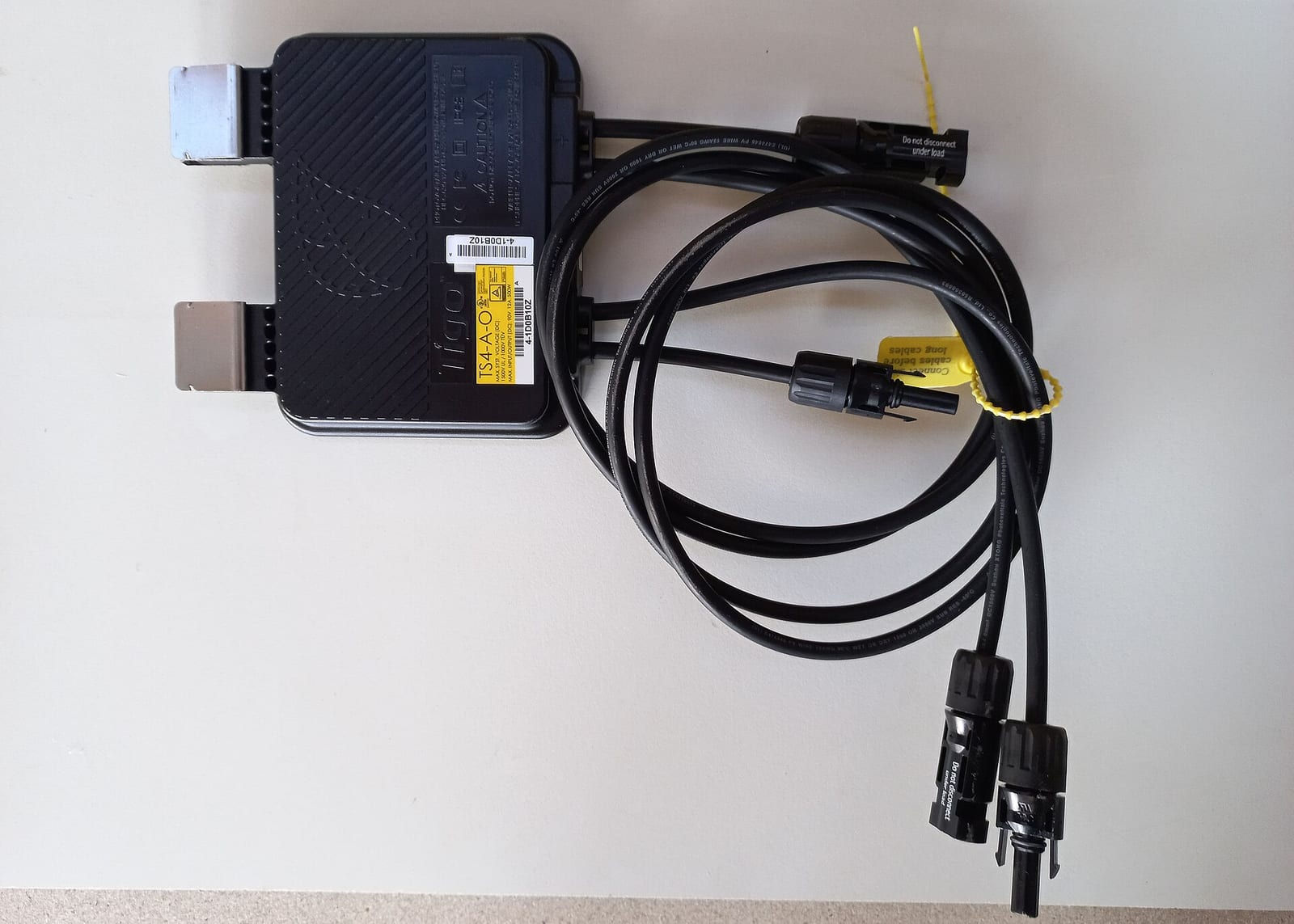
Tigo vs SolarEdge optimisers: what is the difference?
Tigo optimisers can be fitted to selected panels on most string inverters, while SolarEdge optimisers must be fitted to every panel and only work with a SolarEdge inverter. That single difference drives most of the price gap and most of the decision.
The table compares the two as at November 2026, using the Tigo Australian datasheet and warranty, and the SolarEdge Australian datasheet and warranty summarised in our review.
| Tigo TS4-A-O | SolarEdge S440 / S500 | |
|---|---|---|
| Where it goes | Selected panels or all panels | Every panel |
| Inverter | Works with many string inverters (Tigo says thousands of models) | SolarEdge inverters only |
| Panel limit | 700 W, 15 A continuous, 20 A short circuit (AU datasheet, 2022) | 440 W or 500 W, up to 14.5 A or 15 A short circuit |
| Ingress rating | IP68 | IP68 |
| Safety voltage | Rapid shutdown, needs TAP and CCA | 1 V per optimiser when the inverter is off |
| Monitoring | Needs TAP and CCA gateway | Built into the inverter system |
| Warranty | 25 years, labour excluded, monitoring registration within 90 days | 25 years, labour not covered |
| Supply in Australia | Distributed in Australia and New Zealand (AC Solar Warehouse lists itself as a distributor) | Direct sales ending, final deliveries by 18 December 2026 |
Tigo announced a 725 W, 22 A version in March 2026 (pv magazine, 9 March 2026), with 99.6% maximum efficiency. The article does not say whether it will be sold in Australia, so quotes should name the exact model.
SolarEdge is leaving Australia: what it means for optimisers
SolarEdge is no longer a sensible new purchase in Australia after its final deliveries. pv magazine Australia reported on 9 November 2026 that the company is closing its local sales and operations in Australia and New Zealand, with final purchase orders due by 20 November 2026 and final deliveries by 18 December 2026. It said product certification renewals, marketing and incentive programs will also end.
The same report says warranty and technical support continue through an international call centre and online portal. Existing owners should keep their invoice, serial numbers and warranty papers, and read our SolarEdge monitoring guide. If your installer has closed, see our tracker of Australian solar company failures.
For new buyers, this leaves selective Tigo optimisers or microinverters such as the Enphase IQ8 as the usual panel level options. See also Enphase in Australia.
Do solar optimisers increase output?
Optimisers raise output only when panels are mismatched by shade, orientation or damage, and they lower it slightly when everything is clean and sunny. The best independent numbers we found are from a Danish university test, which is not an Australian measurement.
The University of Southern Denmark ran three strings of 14 panels, one with no optimisers, one with Tigo and one with SolarEdge. SolarQuotes reported the results on 30 March 2020, with the unoptimised string set to 100%. The chart shows each optimised string’s difference from that baseline.
- Tigo
- SolarEdge
Source: University of Southern Denmark (Toke Franke), as reported by SolarQuotes, 30 March 2020. Categories are shade type then weather. Pole shade is a pole shadow crossing the array; patchy means variable clouds; none means no shade.
View the data as a table
| Tigo | SolarEdge | |
|---|---|---|
| Clear, none | -0.4 pts | -0.2 pts |
| Cloudy, none | -1.1 pts | -0.7 pts |
| 1 panel clear | 2.6 pts | 1.4 pts |
| 1 panel cloudy | 1.5 pts | 0.3 pts |
| Pole sunny | -2.0 pts | -1.3 pts |
| Pole patchy | 3.1 pts | 4.2 pts |
| Pole cloudy | -0.4 pts | -1.7 pts |
Optimisers lost output with no shade, gained when one panel was covered, and gave mixed results with pole shade. Over a full year the Tigo string produced 97.55% and the SolarEdge string 99.95% of the unoptimised string. One Tigo unit failed early in testing, no SolarEdge units failed, and SolarEdge questioned the study. SolarQuotes said Australia’s clearer skies would likely shrink the benefit here.
How does shade compare with microinverters?
Panel level electronics help most when the shadow falls across the bottom of the array. SolarQuotes reported tests by MC Electrical on 2 August 2021 comparing a Fronius string inverter with Enphase microinverters under artificial shade. These tested microinverters, not optimisers, but the physics of panel level tracking is similar.
Source: MC Electrical tests, as reported by SolarQuotes, 2 August 2021. Total loss from the artificial side shade was about 15%, per the same report.
View the data as a table
| Enphase advantage | |
|---|---|
| Bottom, 5 panels | 8.5% |
| Bottom, 4 panels | 6.7% |
| Bottom, 3 panels | 6.3% |
| Side shade, overcast | 2.0% |
| Bottom half of 12-panel string | 1.0% |
| Side shade, sunny | -3.5% |
The string inverter won with side shade in sunny conditions, and the microinverters won with bottom shade. The shape of the shadow matters more than the brand.
How much do optimisers cost in Australia?
Published prices are thin and dated, so treat the numbers below as a guide and get itemised quotes. The table lists every Australian price we could find and its age.
| Item | Figure | Source and date |
|---|---|---|
| Single Tigo unit | About A$100 | Solar Calculator article, undated, copyright 2026 |
| Optimisers on a 6.6 kW system, installed | As much as A$1,600 to A$2,000 | Solar Calculator article, undated |
| Extra cost of DC optimisers on a A$6,500, 6.6 kW system | About A$1,600 (microinverters A$2,000) | SolarQuotes, 25 May 2018 |
| Tigo communication unit for monitoring | About A$600 | SolarQuotes, 25 May 2018 |
| Enphase premium over SolarEdge | About A$2,500 (6.6 kW), A$3,000 (10 kW), A$4,000 (13 kW) | 1KOMMA5 article, undated |
| Tigo TS4-A-O 20 pack | Price on application | Solahart trade shop, checked November 2026 |
Ask whether Tigo’s TAP and CCA gateway is in the quote. We could not confirm a current Australian price for it.
How many shaded panels make optimisers worth it? A Solar Cobber calculation
An optimiser pays back when the energy it recovers is worth more than its cost. We worked out how much each A$100 optimiser must recover to pay for itself in 10 years.
Assumptions: a 6.6 kW system of 15 panels of 440 W in Clean Energy Regulator zone 3 (rating 1.382 MWh per kW per year, from the Clean Energy Regulator zone ratings) generates about 9,121 kWh a year (6.6 x 1,382), or about 608 kWh per panel. Required recovery equals A$100 divided by 10 years divided by the value of a kWh. The values of A$0.05 to A$0.30 per kWh are illustrative, spanning a low export rate to a high import rate, not quotes.
Source: Solar Cobber calculation: A$100 / 10 years / value per kWh, divided by 608 kWh. Excludes the monitoring gateway and any inverter changes. Zone rating: Clean Energy Regulator, 1.382 MWh per kW per year.
View the data as a table
| Share of panel output | |
|---|---|
| A$0.05 a kWh | 32.9% |
| A$0.10 a kWh | 16.4% |
| A$0.20 a kWh | 8.2% |
| A$0.30 a kWh | 5.5% |
At A$0.20 a kWh an optimiser must recover about 50 kWh a year (8.2% of a panel’s output). A panel that is shaded every afternoon for much of the year can lose more than that, while a panel with a short winter shadow cannot. Self-consumed solar is worth more than exported solar, so panels shaded during your high use hours matter most.
When do optimisers make sense?
Optimisers earn their cost on a roof with a few panels that are shaded or face a different direction, and not on a clean, single face roof. SolarQuotes has long recommended selective Tigo units for a simple roof with small shading and panel level electronics for a complicated roof, based on its optimisation guide (7 April 2020).
| Your roof | Optimisers? | Why |
|---|---|---|
| One or two faces, no shade | No | The Danish test shows a small loss with no shade |
| Two or three panels shaded by a vent, chimney or tree | Selective Tigo, if the shade is regular | Fixes only the affected panels |
| Shade moving across many panels | Microinverters or a full panel level system | A few optimisers will not cover a moving shadow |
| Three or more roof faces | Microinverters or a multi MPPT inverter | Simpler design |
| Panels slightly dirty or bird fouled | Clean first | See how to clean solar panels |
Our guide to solar panel angle and orientation shows how much a poorly placed panel loses.
Do optimisers fail, and what does the warranty cover?
Field failure data for optimisers by brand is not published. The nearest evidence is a Bern University of Applied Sciences survey of 1,195 Swiss and European systems with 2,121 inverters and 8,542 power optimisers, reported by pv magazine on 8 February 2023. It found 34.3% of devices had a first failure by 15 years and that first faults often occurred earlier in systems with optimisers. The authors said the devices were older and not representative of the current market, and most optimisers in the sample were SolarEdge.
Warranty is where Australians should look closely. Tigo’s TS4 term is 25 years from the earlier of four months after shipment or installation, and it does not cover the labour to uninstall or reinstall units. For -O models, registration with Tigo monitoring must be completed within 90 days, and the warranty only applies to units bought from an authorised seller. SolarEdge’s 25 year optimiser warranty also excludes labour, per our SolarEdge Home Hub inverter review. On a roof, labour is often the real cost, so ask who pays it. Our inverter repair and replacement cost guide covers the wall box side.
What to check on your quote
- Which panels get optimisers and what shade problem each one solves, with the shade times.
- The exact optimiser model and its maximum panel power and current, so your panels fit.
- Whether the monitoring gateway (TAP and CCA for Tigo) is included, and its warranty.
- Who pays the labour if an optimiser fails on the roof, and for how many years.
- If SolarEdge is quoted, how the installer will handle warranty claims after 18 December 2026.
- A price for the same system without optimisers, so you can see the premium.
Our guides on comparing solar quotes and choosing an installer help with the rest, and you can find local installers in the Solar Cobber directory.
Video: what power optimisers do
Gary Does Solar, an independent solar educator, explains how power optimisers work and when they are worth it.
FAQ
Do I need optimisers on my solar panels?
No, most Australian roofs do not need them. A single face roof with no shade usually does best with a plain string inverter, and the Danish test saw optimised strings produce slightly less than the unoptimised string when nothing was shaded.
How much do Tigo optimisers cost in Australia?
Published Australian sources put a single Tigo unit at about A$100, and one source puts optimisers on a 6.6 kW system at A$1,600 to A$2,000 installed. Prices are dated and the monitoring gateway is extra, so get itemised quotes.
Can Tigo optimisers be added to an existing solar system?
Often yes, because Tigo says they work with many inverters, but your installer must check compatibility.
Are Tigo or SolarEdge optimisers better?
Tigo is better for fixing a few shaded panels on a normal string inverter, and SolarEdge suited whole roof designs with panel level monitoring. In the Danish test the SolarEdge string produced 99.95% and the Tigo string 97.55% of the unoptimised string over a year, but SolarEdge is leaving Australia.
Are optimisers better than microinverters?
Neither is better for every roof. Optimisers with a string inverter generally cost less than a full microinverter system, while microinverters keep all high voltage DC off the roof and let one failed unit take out one panel. Read our string inverter vs microinverter guide.
Is SolarEdge leaving Australia?
Yes, according to pv magazine Australia on 9 November 2026. Final purchase orders were due by 20 November 2026 and final deliveries by 18 December 2026, and the report says warranty and technical support continue through an international call centre and online portal.
How long do solar optimisers last?
Tigo and SolarEdge both offer 25 year warranties, but no brand specific field life figure is published. A Swiss and European survey found 34.3% of devices had a first failure by 15 years, with optimiser systems often failing earlier than systems without them.
Sources
- pv magazine Australia, SolarEdge exits Australian market, 9 November 2026
- SolarQuotes, Danish study on panel optimisers, 30 March 2020
- SolarQuotes, string vs micro inverters and shade, 2 August 2021
- SolarQuotes, Is solar panel optimisation worth it, 7 April 2020
- SolarQuotes, panel level optimisation compared, 25 May 2018
- Tigo Energy limited warranty, 25 March 2019
- Tigo TS4-A-O datasheet, Australian copy, 9 February 2022
- pv magazine Australia, Tigo debuts 725 W optimiser, 9 March 2026
- pv magazine, survey shows 34.3% failure rate for residential inverters over 15 years, 8 February 2023
- Solar Calculator, What are solar optimisers
- 1KOMMA5, Enphase price vs SolarEdge
- Solahart, Tigo TS4-A-O 20 pack
- Clean Energy Regulator, postcode zone ratings
About this guide
This guide was written by the Solar Cobber editorial team from independent desk research checked in November 2026. Solar Cobber is a free directory that may earn referral or advertising fees from installers, and commercial relationships never affect content. This is not financial advice. To report a correction, contact us.
Filed under Solar Products
Back to blog