
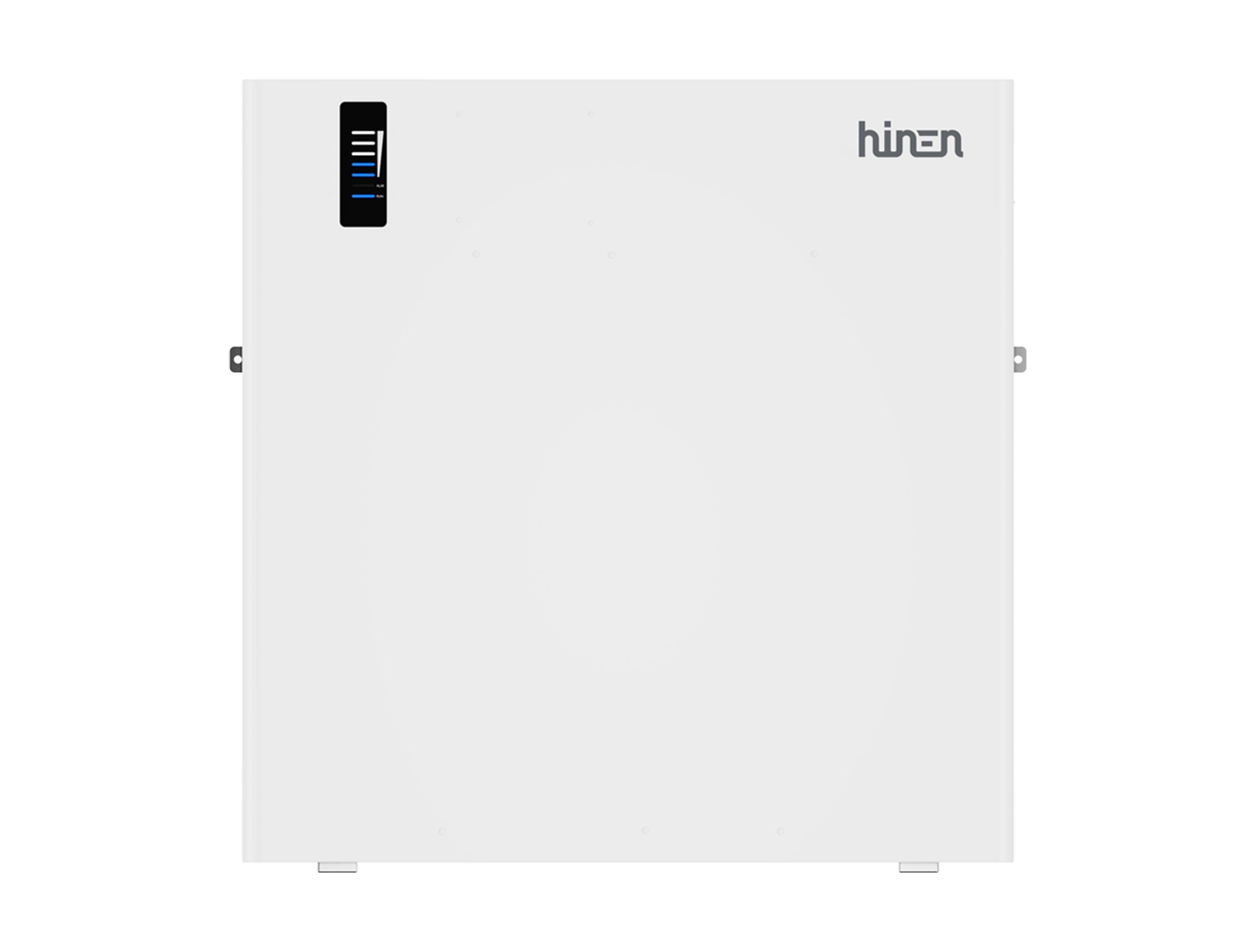
Our verdict
Hinen is a credible, CEC-listed modular LFP battery with generous cycle ratings and good early owner feedback, and the 13.68 kWh B14400-H sits just under the 14 kWh point where the federal discount is richest. The trade-offs are a young Australian track record, no published retail prices, and warranty paperwork that does not say the same thing in every document.
- Best for
- Homes wanting a 10 to 14 kWh battery with room to expand, and willing to read the warranty card before signing
- Look elsewhere if
- Buyers who want the longest local track record, a fixed published price, or one clearly stated warranty term
- Price guide
- Not published by Hinen. Retailer pages in July 2026 show about A$5,300 for a 10 kWh system and from A$9,999 to A$10,499 for larger packages, with rebate treatment unclear
- Warranty
- 10 years on B5000 and B8900M-A (Hinen Australian service commitment); the B14400-H datasheet says 12 years or 63.07 MWh, so confirm in writing
Pros
05- Modular range from 4.6 to 68.4 kWh usable per system, with three module sizes (5.12, 8.985 and 14.4 kWh) to suit different rooms and budgets
- Every Hinen battery line we checked is on the Clean Energy Council approved battery list, with listings running to 31 December 2027 or later
- The 13.68 kWh B14400-H earns the full federal discount rate on every kilowatt hour, because it stays under the 14 kWh tier
- Datasheets rate 8,000 cycles, IP65, optional heating for cold sites and an internal aerosol extinguisher; warranty throughput is above the roughly 3 MWh per kWh several rivals allow
- Early owner feedback on SolarQuotes is strong: 33 of 37 ratings are five stars as at 14 November 2026
Cons
05- Short Australian track record: Hinen has sold here only since about mid to late 2023, and SolarQuotes says it is too soon to judge the company
- Warranty terms differ between documents: 10 years in the Australian service commitment, 12 years or 63.07 MWh on the B14400-H datasheet, and 70% or 80% retained capacity depending on the source
- Hinen publishes no retail prices, and the retailer prices we found conflict with each other
- Warranty cover depends on keeping the system registered to the cloud, and after the first year it is repair or replacement of the equipment, not a new unit
- Battery-only products need a compatible hybrid or battery inverter, so the real price and warranty depend on the inverter pairing in your quote
Hinen is a Chinese residential battery maker that has sold in Australia since about 2023, and this review covers its three Australian battery lines: the 5.12 kWh B5000, the 8.985 kWh B8900M and the 14.4 kWh B14400-H, plus the A Series all-in-one systems that pair them with an inverter. The short answer is that it is a real, CEC-listed product with good early owner ratings, but a thin local track record and warranty paperwork you should read closely. This review is based on manufacturer documentation, warranty terms, published pricing and owner and installer feedback. Solar Cobber did not test the product and was not paid by Hinen.
What it is and how it works
Hinen New Energy was launched in 2022 as the residential storage arm of Hinen Group, which says it was founded in 2004 and is publicly listed. In Australia it trades as Hinen Australia Pty Ltd from North Sydney. SolarQuotes describes it as a company that only reached Australia around mid to late 2023.
All three battery lines use lithium iron phosphate (LFP) cells, the chemistry explained in our LFP battery guide. They differ in voltage and size:
- B5000 is a 51.2 V low-voltage module of 5.12 kWh nominal (4.6 kWh usable), wall or floor mounted, stackable to 10 modules.
- B8900M-HA is a high-voltage 8.985 kWh module (8.087 kWh usable), stackable three high per cluster, with up to six clusters in parallel.
- B14400-H is a high-voltage 14.4 kWh module (13.68 kWh usable), stackable to five units per inverter on the datasheet.
These are battery-only products. They need a compatible Hinen inverter, and the A Series (for example the H10S, which is the A10000S inverter with B14400-H or B8900M batteries) bundles both into one plug-in stack. Our guide to AC-coupled versus DC-coupled batteries explains why the inverter choice matters.
Specs that matter in Australia
The numbers below come from Hinen’s datasheets for each module, and the usable capacities come from the Clean Energy Council (CEC) list. Usable capacity is what the federal discount is calculated on, so it is the figure to compare, not the nameplate.
| Spec | B5000 | B8900M-HA | B14400-H |
|---|---|---|---|
| Nominal / usable (CEC) | 5.12 / 4.6 kWh | 8.985 / 8.087 kWh | 14.4 / 13.68 kWh |
| Cell chemistry | LFP | LFP | LFP |
| Voltage | 51.2 V nominal | 172.8 V rated per module | 288 V nominal |
| Continuous current | 100 A | 52 A | 50 A (16.2 kW) |
| Charge / discharge temperature | 0 to 55 / -20 to 55 °C | 0 to 55 / -20 to 60 °C | 0 to 55 / -20 to 60 °C |
| Ingress rating | IP65 | IP65 | IP65 |
| Weight per module | 51.8 kg | 101 kg | 117 kg |
| Max in one system | 10 modules | 3 per cluster, 6 clusters | 5 units |
Sources: Hinen B5000, B8900M-HA (Australian) and B14400-H datasheets, and the CEC list, checked 14 November 2026.
Hinen’s own three-minute video shows the B14400-H module and its features.
The B14400-H is the one most Australian quotes will feature, because Hinen designed the H10S system around it. In its April 2026 SECE news release Hinen says it positioned that 14.4 kWh system at the point where the federal discount tiers change, which is worth understanding because the discount drives the real price.
Heat and cold. All three modules are IP65 and rated to discharge at -20 °C. The B8900M and B14400-H have an optional heating function, which matters for cold-climate sites in Tasmania, the Alps or the Canberra region, and for charging below 0 °C. In hot garages, ask the installer where the unit will sit, as LFP modules still degrade faster in sustained heat.
Backup. The A Series inverters claim a switchover of 10 milliseconds or less, and the single-phase H10S is described as supporting up to 15 kW of backup output, according to Hinen’s news release of November 2025. Treat those as manufacturer claims and ask which circuits are actually backed up in your quote. Our single-phase versus three-phase guide covers the phase question.
VPP. We could not confirm from a primary source which retailers accept Hinen systems in a virtual power plant. Ask the retailer and installer for written confirmation, and read our VPP guide first.
Clean Energy Council listing
As at 14 November 2026 the CEC approved batteries list shows Hinen under five certificates, covering 39 listed model entries. The B14400-H listing was approved on 30 July 2026, which is recent enough that older reviews do not cover it.
| Hinen battery | CEC certificate | Approved | Listing expires | Usable capacity listed |
|---|---|---|---|---|
| BH7700A, B, C | BAT-557 | 30 Oct 2024 | 30 Oct 2027 | 7, 14, 21 kWh |
| B5000 (1 to 10 modules) | BAT-694 | 21 Oct 2025 | 31 Dec 2027 | 4.6 to 46.08 kWh |
| B5000-W (1 to 10 modules) | BAT-700 | 3 Nov 2025 | 31 Dec 2027 | 4.6 to 46.08 kWh |
| B8900M-HA, HB, HC (and W) | BAT-639 | 24 Jul 2025 | 31 Dec 2027 | 8.087, 16.173, 24.26 kWh |
| B14400-H and HW (1 to 5 units) | BAT-1054 | 30 Jul 2026 | 31 Dec 2027 | 13.68 to 68.4 kWh |
Source: Clean Energy Council approved batteries list, checked 14 November 2026. A listing is a product check, not a recommendation, and does not cover the installer or the inverter pairing.
The Hinen inverters are listed separately: the A Series single-phase (A3600S to A10000S), three-phase (A10000T to A25000T) and AC-coupled AC series each appear on the CEC inverter list. Check that the exact model number on your quote matches a listing on installation day.
Price in Australia
Hinen does not publish Australian retail prices, and the prices we found conflict. Its own site lists products as add-to-cart or “contact for price” through distributors such as Sol Distribution, and installers sell packages. The table shows what retailers published, with the date we saw it. The figures are not like for like and we have used them only to show the spread.
| Source | Product | Published price | Notes |
|---|---|---|---|
| Aussie Solar Tech (page dated 21 July 2026) | 10 kWh single phase | A$5,293 | Rebate treatment not stated |
| Aussie Solar Tech | 15.4 kWh three phase | A$7,292 | Rebate treatment not stated |
| Aussie Solar Tech | 20 kWh single phase | A$6,473 | Cheaper than its own 15.4 kWh price, so treat with care |
| L’Energy (page dated 29 July 2026) | Hinen range, 5 to 30 kWh | From A$9,999 installed | Size not stated |
| VoltX Energy (November 2026) | A Series H10S packages | From A$10,499 | Package sizes listed from 35.6 kWh; rebate treatment not stated |
| Austar Solar (2026) | B14400-H, 14.4 kWh | A$15,000 to A$20,300 installed | An estimate from a market-average A$900 to A$1,200 per kWh, not a Hinen quote |
The spread, from about A$5,300 for 10 kWh to above A$15,000 for 14.4 kWh, is too wide to be one market. Some figures are probably after the federal discount and some before. For a like-for-like view, get a written quote that separates the equipment, the inverter, the installation, the STC value and the GST. Our battery cost guide and quote comparison guide show how.
How the federal discount applies to Hinen
The federal Cheaper Home Batteries Program pays the discount as small-scale technology certificates (STCs) on usable capacity. Our federal battery rebate guide sets out the rules: 6.8 STCs per usable kWh for installs from 1 May to 31 December 2026 and 5.7 from 1 January 2027, applied in full to the first 14 kWh, at 60% to the next 14 kWh, and at 15% from 28 to 50 kWh. See also the state-by-state guide.
Solar Cobber calculation. Using the CEC usable capacities above, those factors and an assumed A$37 per STC (the market price moves), the discount on each Hinen configuration is:
- Install by 31 Dec 2026 (6.8)
- Install from 1 Jan 2027 (5.7)
Source: Solar Cobber calculation from Clean Energy Council usable capacities and the federal STC factors in our battery rebate guides. The STC price is an assumption of A$37; actual certificate prices vary.
View the data as a table
| Install by 31 Dec 2026 (6.8) | Install from 1 Jan 2027 (5.7) | |
|---|---|---|
| B5000 x2 | A$2,317 | A$1,942 |
| B5000 x3 | A$3,477 | A$2,915 |
| B8900M-HA | A$2,035 | A$1,706 |
| B14400-H | A$3,442 | A$2,885 |
| B8900M-HB | A$3,850 | A$3,228 |
| B5000 x4 | A$4,191 | A$3,513 |
| B8900M-HC | A$5,071 | A$4,251 |
| B14400-H x2 | A$5,539 | A$4,643 |
The single B14400-H (13.68 kWh) earns about A$3,440 for an install by 31 December 2026, almost exactly what three B5000 modules (13.82 kWh) earn, because both stay under the 14 kWh line. A second B14400-H adds only about A$2,100 of discount for another 13.68 kWh, because the second block earns 60%. Waiting until January 2027 costs roughly A$560 on a single B14400-H and more on larger systems.
Warranty: the fine print
Hinen’s warranty is 10 years on its Australian service commitment, but the B14400-H datasheet says 12 years, so ask for the exact warranty card that comes with your model. The documents we read do not agree on every point:
- Australian service commitment. This document, headed “Hinen Product Service Commitment”, lists batteries B5000, BH7700A and B8900M-A at 10 years, with remote technical service and on-site repair or complete machine replacement. It does not list the B14400-H.
- B14400-H datasheet. It states a 12-year warranty “or a Minimum Energy Throughput of 63.07 MWh, whichever comes first”. That is about 4.4 MWh per nominal kWh. Energy Matters (September 2026) instead states 10 years for this battery.
- Capacity retention. The B5000 and B8900M datasheets say “10 Years Performance Life”. SolarQuotes reports that Hinen guarantees at least 80% of usable capacity for ten years, with a throughput limit of 3.65 MWh per kWh, while Energy Matters reports 70% for the B14400-H. Ask which applies to your model and installation date.
- First year. Hybrid inverters and batteries get replacement with new equipment in the first year; after that the remedy is repair or replacement of the maintenance equipment.
- Conditions. The system must be connected and registered to the cloud so Hinen and the approved installer can monitor it, unless the installer arranges a waiver. Excluded causes include opening the enclosure, incorrect installation or commissioning, products bought from unauthorised dealers, and non-Hinen accessories or software.
- Freight. Hinen pays logistics in the country of original sale during the warranty period, and the customer pays customs and freight once it has expired or been voided.
- Local support. Hinen Australia lists a North Sydney office on (02) 7258 1272 and service@hinen.com.au. The service commitment also promises a response within two hours to telephone enquiries and 24-hour remote technical support.
Source: Hinen B14400-H datasheet (63.07 MWh over 13.68 kWh usable) and SolarQuotes (B5000); other brands from the Solar Cobber reviews of each product, which cite their Australian warranty documents. Solar Cobber calculation for Hinen B14400-H. Sungrow SBR and Tesla Powerwall 3 allow unlimited cycles for normal home use and are not shown. The B5000 figure is as reported by SolarQuotes and its kWh basis is not confirmed.
View the data as a table
| MWh per usable kWh | |
|---|---|
| Hinen B14400-H | 4.61 MWh |
| ESY Sunhome HM6 | 4.40 MWh |
| Fox ESS EQ4800 | 4.22 MWh |
| Hinen B5000 | 3.65 MWh |
| AlphaESS SMILE-G3 | 3.12 MWh |
| BYD Battery-Box Premium | 3.00 MWh |
| Sigenergy SigenStor | 3.00 MWh |
On throughput, the B14400-H and B5000 are allowed more energy than BYD, Sigenergy or AlphaESS, which cap at about 3 to 3.12 MWh per usable kWh. That favours homes that cycle daily or join a VPP, as long as the warranty actually in force is the one on the datasheet.
What owners and installers report
Early owner feedback is strongly positive but thin. SolarQuotes shows 37 Hinen ratings as at 14 November 2026: 33 five-star, 2 four-star, 0 three-star, 0 two-star and 2 one-star. By our calculation that averages about 4.7. One of the one-star entries is marked as removed at the reviewer’s request. Two reviews carry a SolarQuotes note that Clean Power Australia offered an incentive for the review, so weigh those less.
Source: SolarQuotes Hinen review page, checked 14 November 2026. The average of about 4.7 is a Solar Cobber calculation from these counts.
View the data as a table
| Ratings | |
|---|---|
| 5 stars | 33 |
| 4 stars | 2 |
| 3 stars | 0 |
| 2 stars | 0 |
| 1 star | 2 |
Patterns in the written reviews, which are on one platform and mostly from NSW and Queensland owners:
- Praise. Easy and informative app, compact and tidy installs, bills near zero for homes with enough panels, and responsive local support. One South Australian owner reported a minor Wi-Fi issue that the support team resolved.
- Complaints. One owner in Cairns said three 5 kWh modules were too small and that other installers now recommend 30 kWh. One owner wished the battery could store power for more than a day. Both are sizing issues rather than faults.
We found no ProductReview.com.au or ACCC Product Safety recall entries for Hinen in the sources we could open, and no clear pattern of faults in public reports, but the sample is small and recent. Our home battery safety guide covers what to ask about installation.
Hinen vs alternatives
All figures are from the reviews linked below, checked November 2026. Prices for the rivals are SolarQuotes figures from May 2026 as stated in those reviews; Hinen has no equivalent published index.
| Hinen B14400-H | Sungrow SBR | Fox ESS EQ4800 | BYD Battery-Box Premium | |
|---|---|---|---|---|
| Usable capacity | 13.68 to 68.4 kWh | 9.6 to 25.6 kWh per stack | 9.32 to 41.93 kWh | HVM 8.28 to 22.08 kWh per tower |
| Inverter needed | Hinen hybrid or battery inverter | Sungrow hybrid only | Compatible inverter | Many brands, default for Fronius |
| Warranty | 10 or 12 years; confirm | 10 years, 70% | 10 years, 70% or throughput cap | 10 years, 70% or about 3 MWh per kWh |
| Throughput | About 4.4 MWh per kWh (datasheet) | Unlimited for self-use | About 4.2 MWh per kWh | About 3 MWh per kWh |
| Ingress rating | IP65 | IP55 | IP65 | Varies by series |
| Cold charging | Optional heating | Charge from 0 °C | No cell heating | See review |
| Price evidence | None official; retailers conflict | About A$8,800 to A$14,700, 12.8 kWh, installed | About A$4,000 (13.98 kWh) battery only | About A$8,100 (13.8 kWh) plus inverter |
Choose Sungrow if you already want a Sungrow inverter and the best-known modular option; choose Fox ESS if price per kWh matters most; choose BYD if you need a battery for a non-Hinen inverter. Choose Hinen if the quote is competitive, the 14 kWh tier suits your usage and the installer will put the warranty term in writing.
Questions to ask your installer
- Which exact model number and configuration is quoted (for example B14400-H or H10S), and is it on the CEC list today?
- Is the price before or after the federal discount, and how many STCs are claimed on usable kWh?
- Is the warranty 10 or 12 years for this model, what capacity is guaranteed, and can I see the signed warranty card?
- Does the warranty require the system to stay online, and what happens if the Wi-Fi goes down?
- Which inverter is it paired with, and which circuits are backed up in a blackout?
- Is the battery accepted by my VPP or retailer plan, in writing?
- Who services the system if the installer closes, and how does Hinen Australia handle claims?
- Where will it be mounted, and does the location meet the battery installation rules?
FAQ
Is Hinen a good battery?
Hinen is a credible LFP battery with a CEC listing and strong early owner ratings, but a short Australian track record. SolarQuotes says it is too soon to judge the company, so the installer and the written warranty matter as much as the hardware.
Is Hinen CEC approved?
Yes. As at 14 November 2026 the CEC list shows Hinen under certificates BAT-557, BAT-639, BAT-694, BAT-700 and BAT-1054, with expiry dates between October 2027 and December 2027. Check your exact model on install day.
Who makes Hinen batteries?
Dongguan Hinen New Energy Technology Co Ltd, a subsidiary of Hinen Group, makes them. Hinen says it has seven production centres in China and Vietnam, and the B5000 and B14400-H datasheets say made in China.
How much does a Hinen battery cost in Australia?
Hinen publishes no retail price. Retailer pages in July 2026 showed about A$5,293 for a 10 kWh system and from A$9,999 for larger packages, with the rebate treatment unclear, so get written quotes.
How long is the Hinen battery warranty?
The Australian service commitment gives 10 years on the B5000 and B8900M-A, and the B14400-H datasheet says 12 years or 63.07 MWh. Ask for the signed warranty card for your model.
Is the Hinen B14400-H eligible for the federal battery discount?
Yes, it is on the CEC list that the discount relies on. At 13.68 kWh usable it earns the full rate on every kWh, about A$3,440 on our calculation for an install by 31 December 2026.
Does Hinen work with a VPP?
We could not confirm which retailers accept Hinen systems in a VPP. Ask your retailer in writing before you buy.
Find an installer
Compare quotes from installers near you in our installer directory, and read our guide to sizing a battery before you decide between a 10, 14 or 20 kWh system. If you want a second view of the market, see our best solar batteries in Australia guide.
Prices and ratings were checked on 14 November 2026. Corrections are welcome via our contact page.
Read next
Battery buying guides
Often quoted alongside
Sungrow
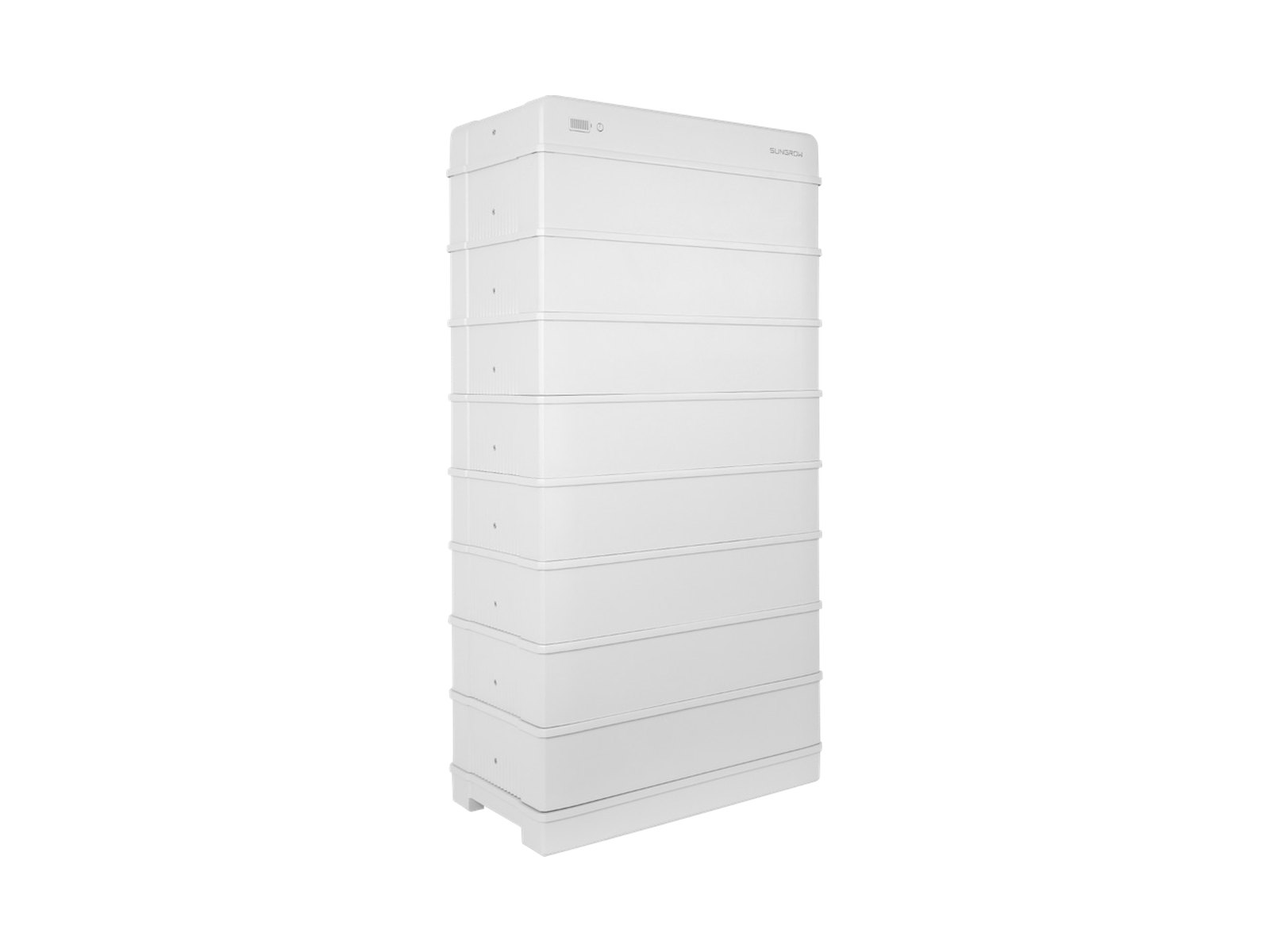
Sungrow SBR
The Sungrow SBR is one of the best-value modular batteries in Australia, with easy expansion in 3.2 kWh steps and a warranty that gives normal households unlimited cycles. The trade-off is that you must pair it with a Sungrow hybrid inverter, and Sungrow's app and phone support are weaker than the hardware.
Best for
Homes wanting a modular battery paired with a Sungrow hybrid inverter
Fox ESS
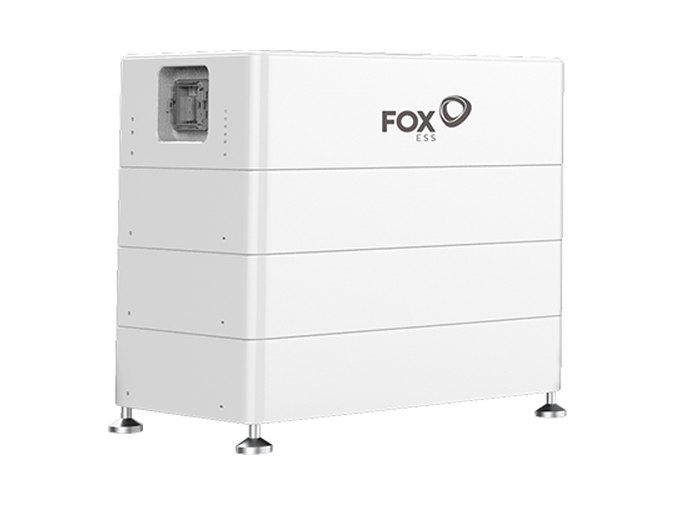
Fox ESS EQ4800
The Fox ESS EQ4800 delivers a lot of storage for the money and has become one of the most installed batteries in Australia since the federal rebate began. The trade-offs are a support track record still catching up with sales, no cell heating for cold-climate charging, and owner reports of real capacity falling short on the biggest stacks.
Best for
Budget-focused homes wanting 9 to 28 kWh of storage on a Fox ESS hybrid inverter
BYD
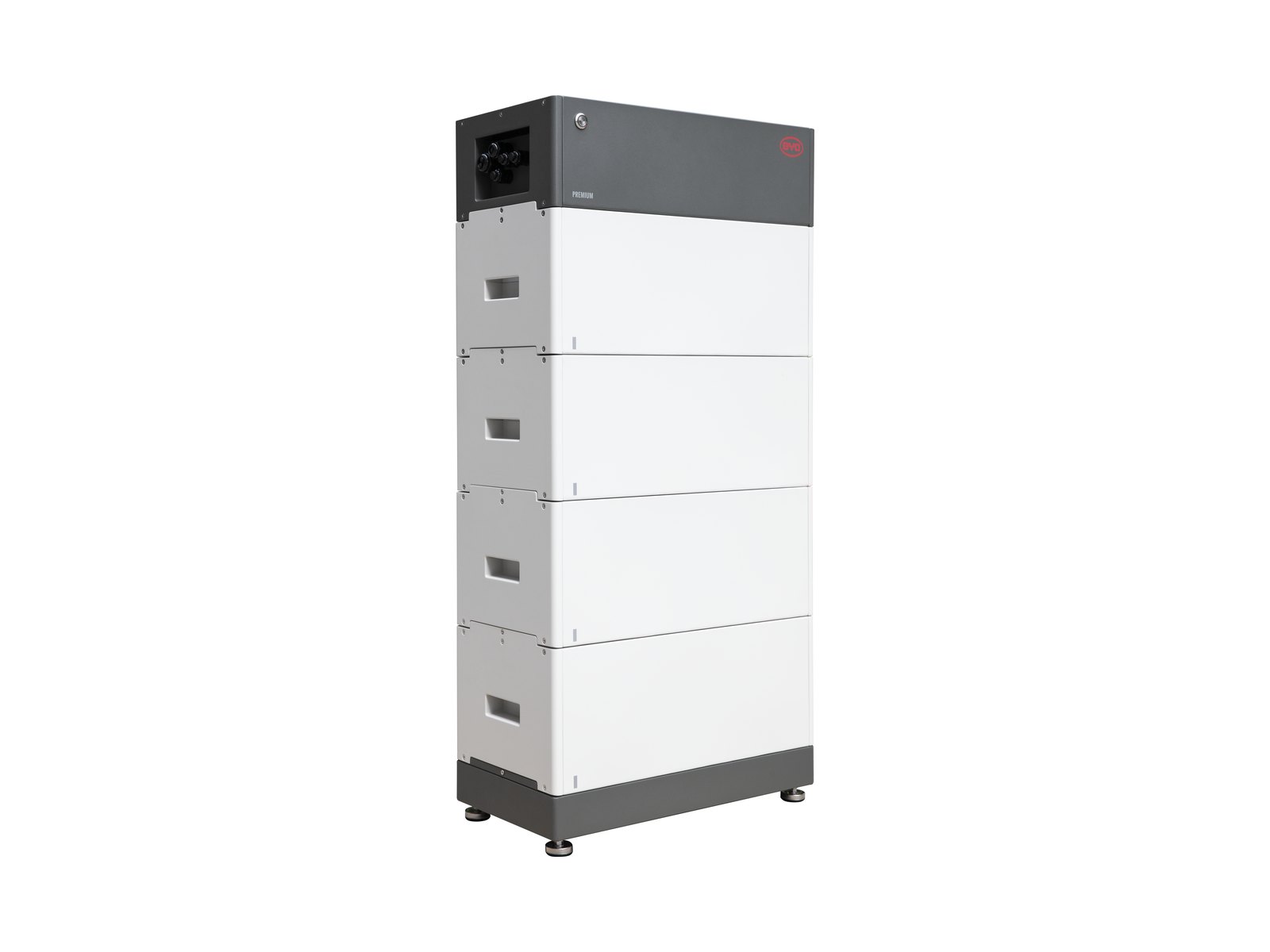
BYD Battery-Box Premium
The BYD Battery-Box Premium is a proven, stackable battery that works with more inverter brands than most, which makes it the default partner for Fronius hybrid systems. Its warranty ends at a throughput cap for every type of use, so households that cycle hard every day may run out of cover before 10 years.
Best for
Homes pairing a battery with a Fronius GEN24 Plus or another listed hybrid inverter
Sources
Independent desk research by the Solar Cobber editorial team. We did not test this product and were not paid by the manufacturer. Solar Cobber is a free directory that may earn referral or advertising fees from installers; this never affects our reviews.
- 01Hinen Australia, home battery range
- 02Hinen B8900M-HA datasheet, Australia (PDF)
- 03Hinen Product Service Commitment, Australia (PDF)
- 04Hinen B14400-H datasheet (Google Drive PDF linked from Hinen Australia's download page)
- 05Clean Energy Council approved batteries list
- 06SolarQuotes, Hinen battery review and owner ratings
- 07Energy Matters, Hinen B14400-H review (September 2026)
- 08Hinen Australia, SECE 2026 news (23 April 2026)
Get quotes for Hinen
Browse rated solar installers in your area, check their Google reviews, and ask at least three for itemised quotes. Our guide to comparing solar quotes explains what to look for.