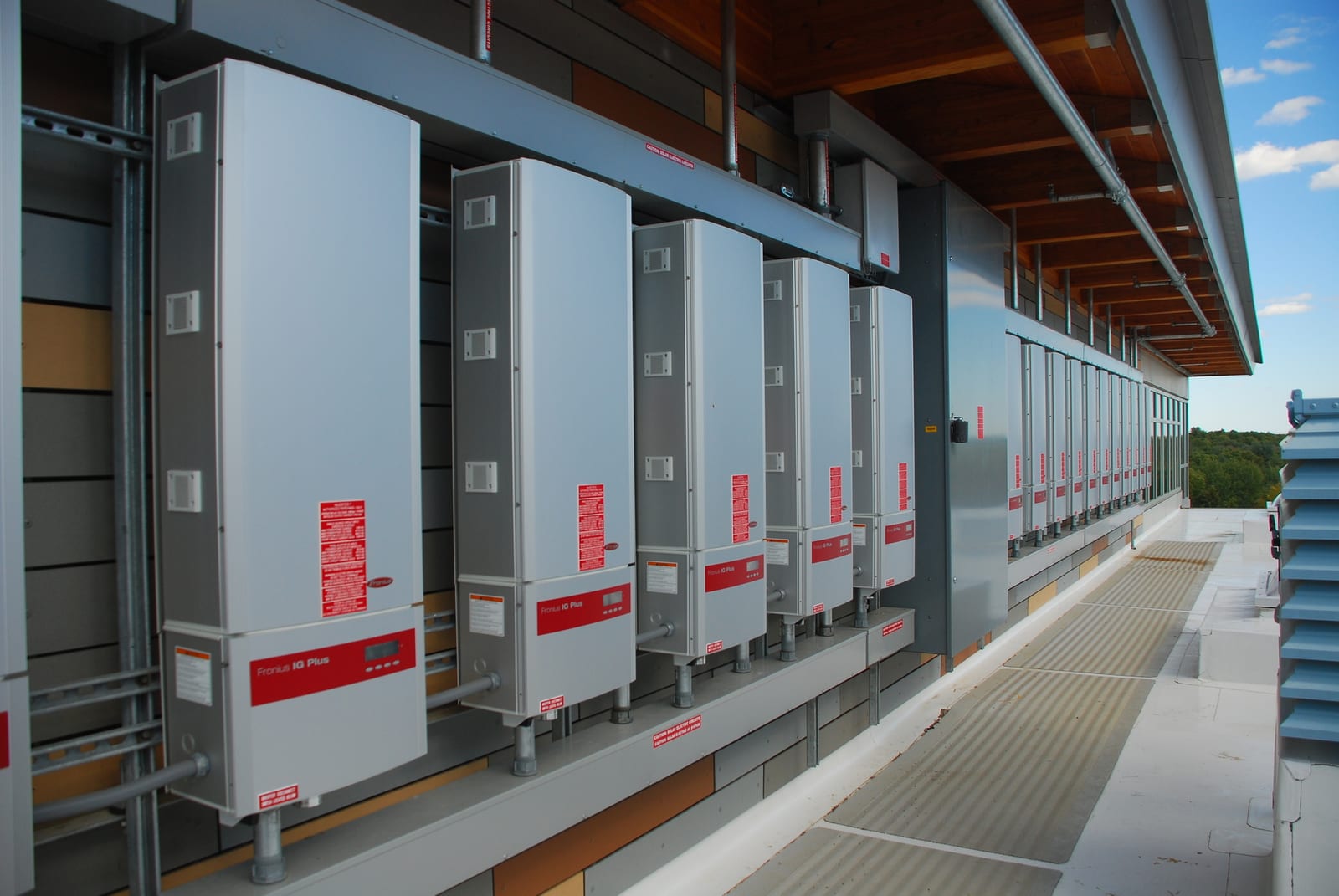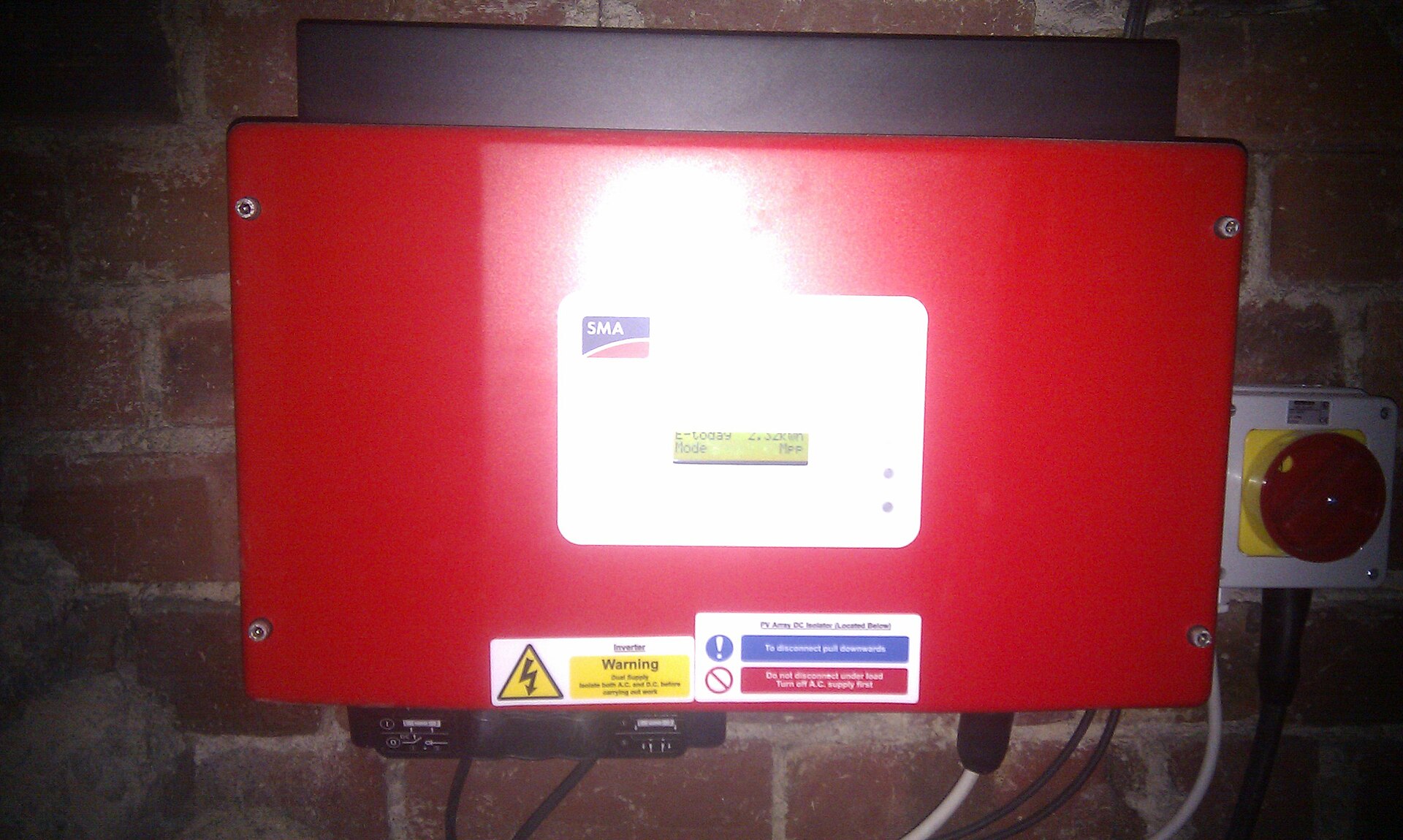

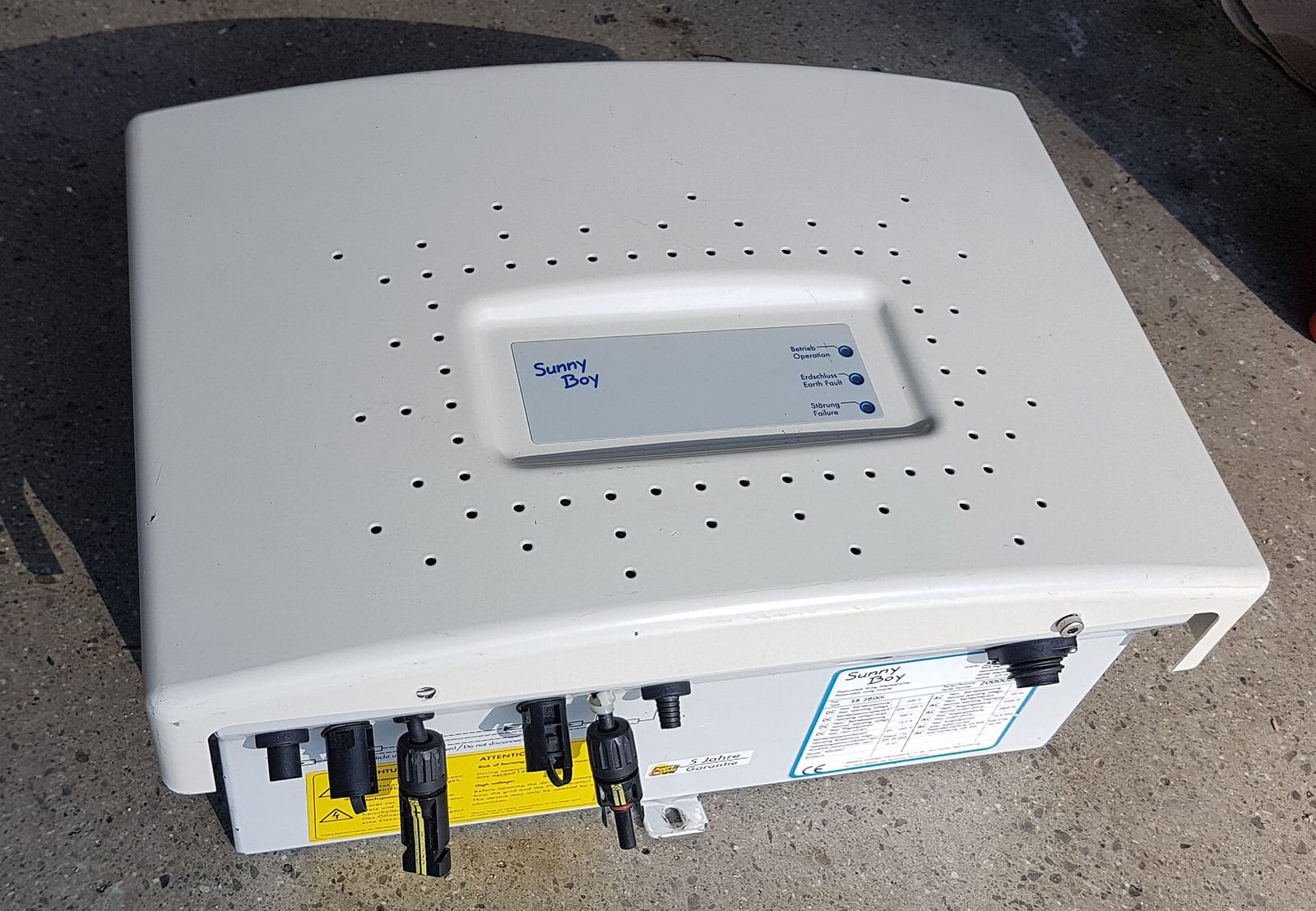
A 5 kW single-phase solar inverter costs about A$1,191 to A$3,627 supply only in Australia, as at November 2026, depending on whether it is a string inverter (cheapest) or a battery-ready hybrid (dearest). Installed, Why Solar publishes A$1,000 to A$4,500 across the main brands. Premium brands cost A$700 to A$1,000 more than budget ones, according to SolarQuotes.
This guide separates supply-only prices from installed prices, because most price pages mix them. It also works out the price premium for hybrid inverters and the cost per year of warranty. Our price guide for replacing a failed inverter covers repair costs separately.
Key facts
- As at 14 November 2026, the online retailer Energy Eco lists the Sungrow 5 kW single-phase string inverter at A$1,191 and the Sungrow 5 kW single-phase hybrid at A$3,035, supply only.
- As at 14 November 2026, Energy Eco lists the Fronius Primo GEN24 5 kW at A$2,374 and the battery-ready Fronius GEN24 Plus Primo 5 kW at A$3,627, supply only.
- Why Solar’s inverter comparison (updated 27 October 2026, checked 5 November 2026) publishes installed prices from A$1,000 for GoodWe to A$4,500 for the Fronius GEN24 Plus.
- SolarQuotes says a premium inverter costs about A$700 to A$1,000 more per system than a budget one, and that replacing a single microinverter costs about A$300 to A$400 with labour.
- Solar Cobber calculation: a hybrid inverter costs about A$664 to A$1,844 more than the same brand’s string inverter at 5 kW and 10 kW, based on Energy Eco listings on 14 November 2026.
- A solar inverter must be on the Clean Energy Council approved list on the day of installation for the system to earn small-scale technology certificates (STCs), which are worth about A$1,800 on a 6.6 kW system in a Zone 3 city in 2026.
Source: Energy Eco online product pages, read 14 November 2026.
How much does a solar inverter cost in Australia?
A solar inverter costs about A$1,000 to A$4,500 installed for a typical 5 to 10 kW home system, and about A$1,191 to A$4,672 supply only for common 5 to 10 kW single-phase and three-phase string and hybrid models. The type of inverter is the biggest driver of price.
| Inverter type | What it does | Typical supply-only price (5 kW, single phase) | Suits |
|---|---|---|---|
| String | One inverter converts all panels’ DC power to AC | A$1,191 to A$2,374 | Solar-only homes on one or two roof faces |
| Hybrid | Handles solar and a battery in one unit | A$1,959 to A$3,627 | Homes adding a battery now or soon |
| Microinverter | A small inverter under each panel | No public Australian retail price found | Shaded or multi-direction roofs |
The table above uses the Energy Eco listings read on 14 November 2026 for string and hybrid inverters. We found no published Australian retail price for a microinverter. SolarQuotes puts a single replacement at about A$300 to A$400 with labour, which is why microinverter systems cost more up front across a whole roof: see our guide to string inverters versus microinverters.
Solar inverter price by type and brand (supply only)
The cheapest 5 kW single-phase inverter listed is the Sungrow SG string at A$1,191, and the dearest is the Fronius GEN24 Plus hybrid at A$3,627, a gap of about three times. Supply-only means the unit alone, with no installation, wiring or Wi-Fi accessories.
Source: Energy Eco online product pages, read 14 November 2026.
View the data as a table
| Supply price | |
|---|---|
| Sungrow SG string | A$1,191 |
| GoodWe EH Plus hybrid | A$1,959 |
| Fronius Primo GEN24 string | A$2,374 |
| GoodWe ES G2 hybrid | A$2,473 |
| GoodWe EHB hybrid | A$2,612 |
| Sungrow SH hybrid | A$3,035 |
| Fronius GEN24 Plus hybrid | A$3,627 |
String inverters are the cheapest group in the 5 kW chart, and every hybrid inverter listed costs more than A$1,950 in November 2026.
Table: supply-only prices listed by Energy Eco on 14 November 2026. We could not confirm from the product pages whether listed prices include GST, so check at checkout, and treat all of these as retail prices that installers usually beat through trade accounts.
| Model | Type | Size | Phase | Listed price (A$) |
|---|---|---|---|---|
| Sungrow SG string (dual MPPT) | String | 5 kW | Single | 1,191 |
| GoodWe EH Plus (activated) | Hybrid | 5 kW | Single | 1,959 |
| Fronius Primo GEN24 | String, upgradable | 5 kW | Single | 2,374 |
| GoodWe ES G2 | Hybrid | 5 kW | Single | 2,473 |
| GoodWe EHB | Hybrid | 5 kW | Single | 2,612 |
| Sungrow hybrid (dual MPPT) | Hybrid | 5 kW | Single | 3,035 |
| Fronius GEN24 Plus Primo | Hybrid | 5 kW | Single | 3,627 |
| Fronius Primo GEN24 | String, upgradable | 8 kW | Single | 3,512 |
| Sungrow SG string (triple MPPT) | String | 10 kW | Single | 3,039 |
| GoodWe EHB | Hybrid | 10 kW | Single | 3,191 |
| Sungrow hybrid (4 MPPT) | Hybrid | 10 kW | Single | 3,703 |
| Fronius Primo GEN24 | String, upgradable | 10 kW | Single | 3,708 |
| Fronius GEN24 Plus Primo | Hybrid | 10 kW | Single | 4,412 |
How does inverter price change with size?
Moving from 5 kW to 10 kW adds about A$579 to A$1,848 to the supply price of the same product family, and the Sungrow SG string inverter shows the biggest jump.
- 5 kW
- 10 kW
Source: Energy Eco online product pages, read 14 November 2026.
View the data as a table
| 5 kW | 10 kW | |
|---|---|---|
| Sungrow SG | A$1,191 | A$3,039 |
| Sungrow SH | A$3,035 | A$3,703 |
| Fronius Primo | A$2,374 | A$3,708 |
| Fronius Plus | A$3,627 | A$4,412 |
| GoodWe EHB | A$2,612 | A$3,191 |
The Sungrow SG string inverter more than doubles between sizes (A$1,191 to A$3,039), while the hybrid models rise by only A$579 to A$785, because their 5 kW units already carry the battery electronics. The 10 kW Sungrow SG listing has three trackers against two on the 5 kW unit.
Single-phase homes in some networks cannot export a full 10 kW, so size the inverter to the network’s rules, not just the panels. Our guide to single-phase versus three-phase solar covers it, and our 5 kW and 10 kW system price guides show the full system cost.
Three-phase inverter prices
A three-phase 10 kW string inverter lists from A$2,411 (Sungrow), and three-phase hybrids list from A$3,977 to A$6,783, supply only. Three-phase suits large homes and properties that already have three-phase supply.
Source: Energy Eco online product pages, read 14 November 2026.
View the data as a table
| Supply price | |
|---|---|
| Sungrow SG 10 kW string | A$2,411 |
| GoodWe ET G2 10 kW hybrid | A$3,977 |
| Fronius Symo GEN24 10 kW string | A$4,672 |
| Sungrow SH 15 kW hybrid | A$4,938 |
| Fronius Symo GEN24 Plus 10 kW hybrid | A$5,176 |
| Sungrow SH 20 kW hybrid | A$6,783 |
A three-phase 10 kW Fronius string inverter (A$4,672) costs almost double the Sungrow equivalent (A$2,411), the widest brand gap in the three-phase listings.
What do installers charge? Installed inverter prices
Installed prices published by Why Solar run from A$1,000 for GoodWe to A$4,500 for the Fronius GEN24 Plus. These include labour and the inverter only, not the rest of the system.
- Low
- High
Source: Why Solar inverter comparison, updated 27 October 2026, checked 5 November 2026.
View the data as a table
| Low | High | |
|---|---|---|
| Fronius GEN24 Plus | A$2,500 | A$4,500 |
| SMA Sunny Tripower | A$2,200 | A$3,800 |
| Tesla Inverter | A$2,000 | A$3,500 |
| Huawei SUN2000 | A$1,500 | A$3,000 |
| Sungrow SG and SH | A$1,200 | A$2,800 |
| GoodWe DNS and EH | A$1,000 | A$2,200 |
Sungrow and GoodWe are the cheapest installed brands, with a top price of A$2,800 or less, while Fronius and SMA reach A$3,800 to A$4,500.
Table: installed inverter ranges from Why Solar, which is a lead-generation site for installers, so read them as guides and not quotes (checked November 2026).
| Brand and model | Type | Phases | Warranty stated | Installed price (A$) |
|---|---|---|---|---|
| Fronius GEN24 Plus | String or hybrid | Three | 10 years | 2,500 to 4,500 |
| SMA Sunny Tripower | String | Three | 10 years | 2,200 to 3,800 |
| Tesla Inverter | Hybrid | Single | 10 years | 2,000 to 3,500 |
| Huawei SUN2000 | Optimised string | One or three | 10 years | 1,500 to 3,000 |
| Sungrow SG and SH series | String or hybrid | One or three | 10 years | 1,200 to 2,800 |
| GoodWe DNS and EH series | String or hybrid | Single | 10 years | 1,000 to 2,200 |
| Enphase IQ8+ | Microinverter | One or three | 25 years | 2,500 to 4,500 (whole system) |
These ranges match the figures in our best solar inverters guide within a few hundred dollars. Those guide prices came from Why Solar and SolarQuotes in earlier 2026 pages.
Hybrid inverter price: what is the extra cost?
A hybrid inverter costs about A$664 to A$1,844 more than the same brand’s string inverter. At 5 kW, the extra is A$1,844 for Sungrow and A$1,253 for Fronius, and at 10 kW it is A$664 and A$704.
Table: hybrid premium over the string version of the same brand and size, Solar Cobber calculation from Energy Eco listings on 14 November 2026.
| Brand | Size | String price (A$) | Hybrid price (A$) | Premium (A$) |
|---|---|---|---|---|
| Sungrow | 5 kW | 1,191 | 3,035 | 1,844 |
| Fronius | 5 kW | 2,374 | 3,627 | 1,253 |
| Fronius | 10 kW | 3,708 | 4,412 | 704 |
| Sungrow | 10 kW | 3,039 | 3,703 | 664 |
The working is hybrid price minus string price. A hybrid inverter replaces both the solar inverter and a separate battery inverter, so the premium is smaller than the cost of buying a second inverter later. See our hybrid inverters guide and what a hybrid inverter is.
Is a hybrid inverter worth paying for? A worked example
A hybrid inverter pays for itself only if you add a battery. Assume a 5 kW Sungrow system and compare two paths, using the Energy Eco supply prices above and the SolarQuotes figure of at least A$200 of installer time to swap an inverter.
| Path | Inverter spend (A$) | Working |
|---|---|---|
| String now, never add a battery | 1,191 | One string inverter |
| Hybrid now, never add a battery | 3,035 | Pays A$1,844 for unused battery capability |
| Hybrid now, battery in 3 years | 3,035 | One inverter, battery connects directly |
| String now, swap to hybrid in 3 years | 4,426 | 1,191 + 3,035 + 200 labour |
If you never add a battery, the string inverter saves A$1,844. If a battery is likely, the hybrid saves about A$1,391 against buying twice (4,426 minus 3,035), before any change in prices. Retail prices will differ from your installer’s, and some homes use an AC-coupled battery instead, which keeps the string inverter: see AC-coupled versus DC-coupled batteries.
What does a cheaper inverter cost per year of warranty?
The Sungrow SG string inverter costs about A$119 per year of warranty, against A$363 for the Fronius GEN24 Plus hybrid, on 5 kW supply prices. A longer warranty only matters if the company honours it.
Source: Energy Eco prices read 14 November 2026; warranty years from Solar Cobber inverter reviews and Why Solar, November 2026. All four use 10 years. Fronius reaches 10 years only when registered online (5 years plus 5 on registration).
View the data as a table
| A$ per warranty year | |
|---|---|
| Sungrow SG string | A$119 |
| Fronius Primo GEN24 string | A$237 |
| Sungrow SH hybrid | A$304 |
| Fronius GEN24 Plus hybrid | A$363 |
The working is price divided by 10 years: 1,191 / 10 = 119; 2,374 / 10 = 237; 3,035 / 10 = 304; 3,627 / 10 = 363. Warranty terms differ in labour and transport cover, so read each document. Our reviews cover the Sungrow SG RS, Sungrow SH RS, Fronius Primo and Fronius GEN24 Plus. Enphase warranties are 25 years on parts only, per our Enphase IQ8 review.
What changes the price of a solar inverter?
Phase, size, trackers, battery readiness, brand and CEC approval move the price most. The factors below are the ones that show up in the listings and guides we opened.
- Single phase or three phase. Three-phase 10 kW units cost A$2,411 to A$5,176 against A$3,039 to A$4,412 for single phase.
- Battery ready. The hybrid premium is A$664 to A$1,844.
- Brand tier. SolarQuotes puts premium against budget at A$700 to A$1,000 per system.
- Trackers. More MPPT trackers suit split or shaded roofs.
- Accessories. Sungrow’s Wi-Fi dongle and smart meter are separate items with a one-year warranty, per our SG RS review.
- Installer margin and bundle. Inverters are usually bought by installers at trade prices, not retail.
How does the STC discount relate to the inverter?
The inverter does not earn STCs, but a model off the Clean Energy Council approved list loses them for the whole system. Solar Cobber calculation: a 6.6 kW system in a Zone 3 city such as Sydney or Brisbane earns 45 STCs in 2026 (6.6 kW x 1.382 x 5-year deeming period), or about A$1,800 at A$40 each.
Inputs: the Clean Energy Regulator zone rating of 1.382 MWh per kW for Zone 3 and the 5-year deeming period for 2026 installations, rounded down (our rounding, not printed by the regulator). The Clean Energy Regulator Clearing House price is A$40 excluding GST. Always check the exact model code against the approved list before buying, because an inverter’s approval has an expiry date.
Solar inverter price by system size
The inverter is a minority of the system price: the Solar Choice standard-offer national average for a 5 kW system was A$5,560 on 1 November 2026, including the STC discount and GST. A Sungrow SG at A$1,191 supply is about 21% of that, but installers buy below retail and mix brands, so treat this as an upper-level guide. See our solar panel cost guide and solar and battery package prices.
What to check on your quote
Check that the quote names the inverter model and phase, and that the model is on the Clean Energy Council list on installation day. These questions are worth asking:
- Which exact inverter model and size, and is it on the CEC approved list?
- Is the warranty 5 or 10 years, does it need registering, and who pays labour and transport?
- Is it battery-ready, and which batteries does it support?
- Is the Wi-Fi dongle and smart meter included, and what is their warranty?
- What happens to my warranty if the installer closes?
Use our installer directory to compare local companies. Solar Cobber does not verify accreditation, so check the Clean Energy Council and Solar Accreditation Australia registers yourself.
FAQ
How much does a solar inverter cost in Australia?
A 5 kW single-phase solar inverter costs about A$1,191 to A$3,627 supply only and about A$1,000 to A$4,500 installed, as at November 2026. String inverters sit at the bottom of the range and hybrid inverters at the top.
How much does a 5kW inverter cost?
A 5 kW single-phase inverter lists at A$1,191 (Sungrow string) to A$3,627 (Fronius GEN24 Plus hybrid) supply only, per Energy Eco on 14 November 2026. Installed prices are higher.
How much does a hybrid inverter cost?
A 5 kW single-phase hybrid inverter lists at A$1,959 to A$3,627 supply only, and a 10 kW single-phase hybrid at A$3,191 to A$4,412. A three-phase hybrid starts at A$3,977 for 10 kW.
Is a hybrid inverter worth the extra money?
A hybrid inverter is worth it if you will add a battery, because it avoids buying a second inverter. The premium over a string inverter was A$664 to A$1,844 in our November 2026 comparison.
How much does a microinverter cost?
We could not find a published Australian retail price for a microinverter. SolarQuotes puts a single microinverter replacement at about A$300 to A$400 with labour.
How long does a solar inverter last?
String and hybrid inverters typically last about 10 to 15 years, and microinverters carry warranties of up to 25 years. See our replacement cost guide for what to do when one fails.
Can I buy a solar inverter online and have it installed?
You can buy online, but installers and the Clean Energy Council rules usually require the installer to supply and warrant the work. Check the model is on the approved list and confirm with the installer before buying.
Does the inverter brand affect the solar rebate?
The brand does not, but approval does. An inverter that is not on the Clean Energy Council approved list means the system earns no STCs, worth about A$1,800 on a 6.6 kW system in Zone 3 in 2026.
Sources
- Energy Eco, inverter product pages, read 14 November 2026
- Why Solar, solar inverter comparison, updated 27 October 2026
- SolarQuotes, solar inverters guide
- Solar Choice, Solar Panel Price Index, November 2026
- Clean Energy Regulator, calculate STC entitlements, updated 29 October 2026
- Clean Energy Regulator, buy and sell STCs, updated 14 September 2026
- Sungrow Australian warranty document, version 4.2, April 2024
About this guide
Written by the Solar Cobber editorial team from independent desk research checked in November 2026. Solar Cobber is a free directory that may earn referral or advertising fees from installers, and commercial relationships never affect our content. This is general information, not financial or electrical advice. Corrections are welcome via /contact.
Filed under Savings
Back to blog