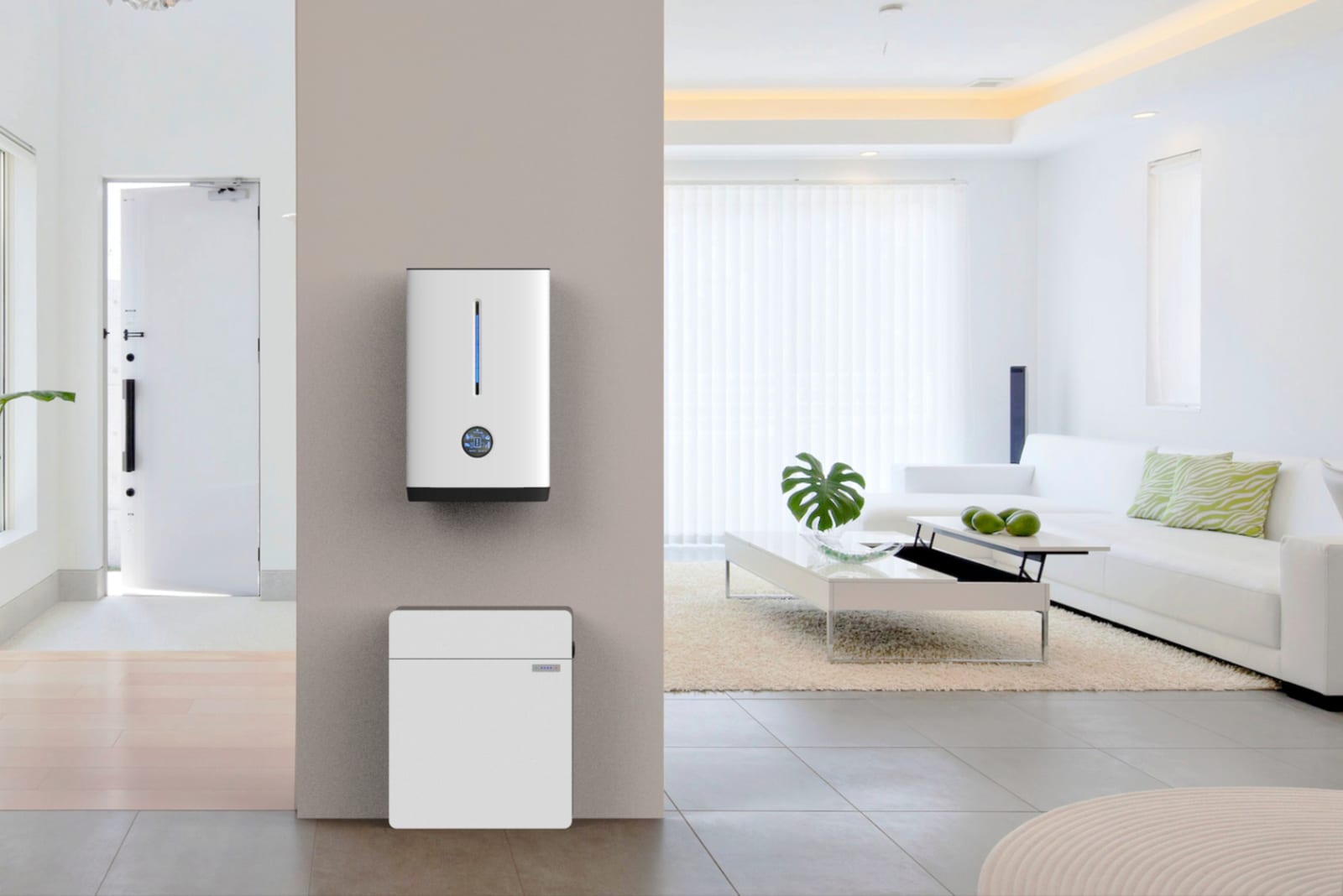

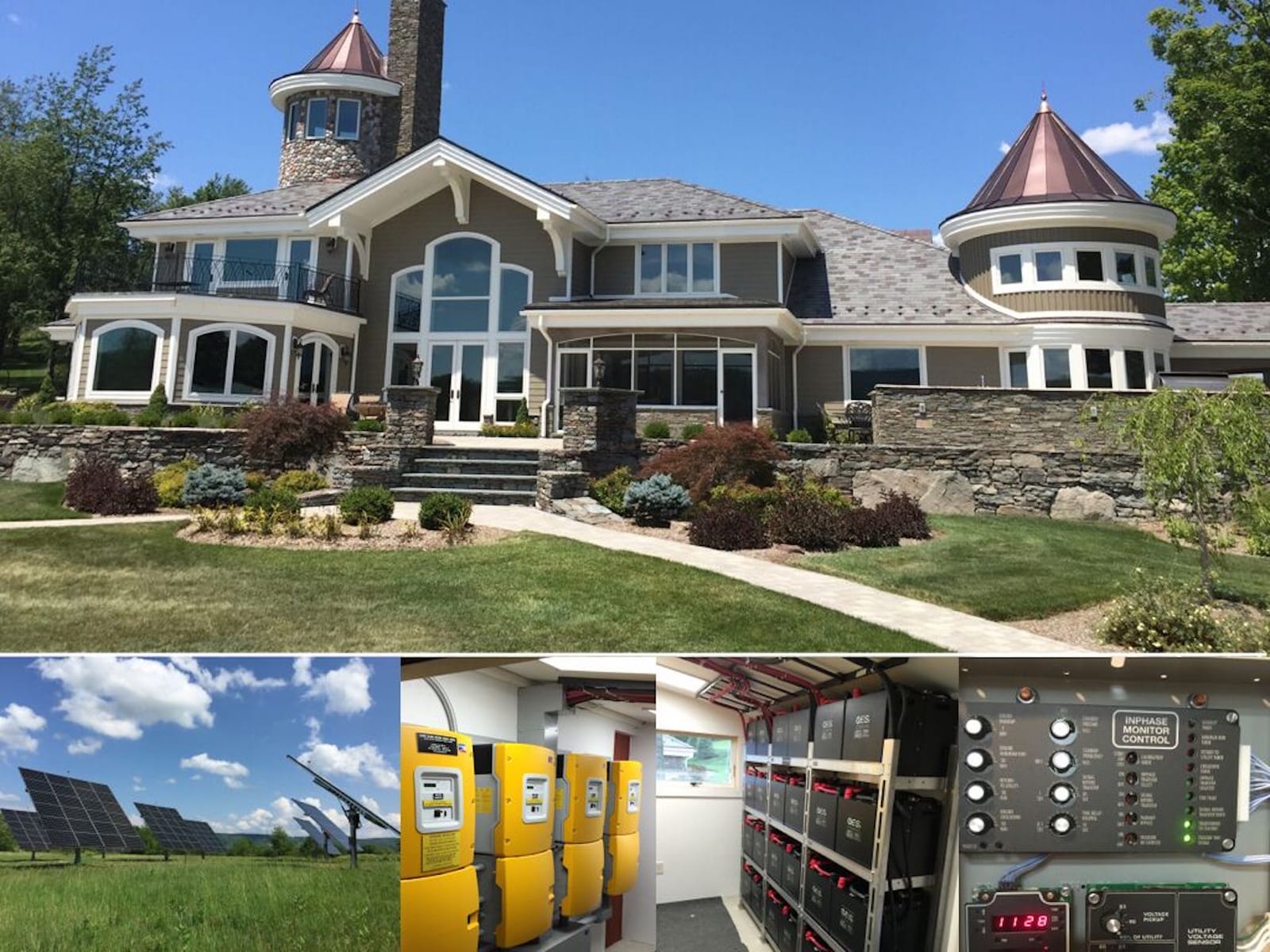
A 20 kWh solar battery costs about A$14,172 installed after the federal Cheaper Home Batteries discount in Australia, as at November 2026 (Solar Choice average, battery only), or A$15,172 with a battery inverter. Before the discount that is about A$18,600 to A$19,600. People who search “20kw solar battery price” almost always mean a battery that stores about 20 kWh, not one that outputs 20 kW.
Key facts
- The Solar Choice Battery Price Index, last updated 6 November 2026, puts the average installed cost of a 20 kWh battery at A$14,172 after the federal rebate (battery only) and A$15,172 (battery plus inverter), including GST and installation.
- The same index lists a pre-rebate price of A$930 per kWh for a 20 kWh battery-only install, about A$18,600 before the discount, and A$709 per kWh after it.
- A 20 kWh battery installed from 1 May to 31 December 2026 earns 119 small-scale technology certificates (STCs), worth about A$4,760 at A$40 each (Solar Cobber calculation from the federal regulations).
- From 1 January 2027 the same 20 kWh battery earns 100 STCs, about A$4,000, so waiting costs about A$760.
- The second 10 kWh of a 20 kWh battery earns about A$2,040 of discount, against A$2,720 for the first 10 kWh, because capacity from 14 to 28 kWh earns only 60% of the full rate.
- SolarQuotes lists hardware of 18 to 22 kWh from A$4,900 to A$12,200 after the discount and before installation (page updated 12 May 2026).
Is a 20kW battery the same as a 20kWh battery?
No. A kilowatt hour (kWh) measures how much energy a battery stores, while a kilowatt (kW) measures how fast it can charge or discharge. Rebates are paid on usable kWh, so ask for usable capacity, not nominal capacity. Our kW vs kWh guide explains the difference.
20kWh battery price list (November 2026)
Published hardware prices for batteries of 18 to 22 kWh run from A$4,900 to A$12,200 after the discount and before installation. The table uses SolarQuotes’ price grid (page updated 12 May 2026, prices “include this rebate as well as GST” and exclude installation) with our estimates of the discount and installed price.
| Battery | Usable kWh | Price after discount, before installation (SolarQuotes) | Federal discount, Nov 2026 (Solar Cobber calculation) | Estimated installed, after discount | Estimated installed, before discount |
|---|---|---|---|---|---|
| Fox ESS CQ7 20.88 | 20.88 | A$4,900 | A$4,920 | A$7,900 | A$12,820 |
| Sigenergy SigenStor 18 | 18 | A$4,900 | A$4,440 | A$7,900 | A$12,340 |
| Fox ESS EQ4800 18.64 | 18.64 | A$5,100 | A$4,560 | A$8,100 | A$12,660 |
| AlphaESS Smile-M5 20 | 20 | A$5,600 | A$4,760 | A$8,600 | A$13,360 |
| Fox ESS Power Cube 21.84 | 21.84 | A$5,700 | A$5,080 | A$8,700 | A$13,780 |
| Sofar PowerAll 20 | 19 | A$6,000 | A$4,600 | A$9,000 | A$13,600 |
| Neovolt 20 | 19.2 | A$7,200 | A$4,640 | A$10,200 | A$14,840 |
| ESY Sunhome HM6-20 | 19.46 | A$7,300 | A$4,680 | A$10,300 | A$14,980 |
| AlphaESS Smile-G3-S5 20.2 | 19.2 | A$7,800 | A$4,640 | A$10,800 | A$15,440 |
| Growatt APX HV 20.0 | 18 | A$9,000 | A$4,440 | A$12,000 | A$16,440 |
| Anker SOLIX X1 20 | 20 | A$9,300 | A$4,760 | A$12,300 | A$17,060 |
| BYD Battery-Box Premium HVM 19.3 | 19.32 | A$10,600 | A$4,640 | A$13,600 | A$18,240 |
| Pylontech Force H3X 20 | 19.46 | A$10,600 | A$4,680 | A$13,600 | A$18,280 |
| Sungrow SBR HV 19.2 | 19.2 | A$11,000 | A$4,640 | A$14,000 | A$18,640 |
| Sungrow SBH200 | 20 | A$11,700 | A$4,760 | A$14,700 | A$19,460 |
| SolaX X1 20.4 | 18.4 | A$12,200 | A$4,520 | A$15,200 | A$19,720 |
Method: the discount is STCs (rounded down) times A$40, using the tier rules below. The installed estimate adds A$3,000, the minimum SolarQuotes says a simple installation adds, and the before-discount figure adds the discount back. Inverter inclusion differs by model, so ask each installer what the quote covers before comparing.
Price per usable kWh
Dividing each price by usable capacity gives A$235 per kWh for the Fox ESS CQ7 up to A$663 for the SolaX X1, a spread of almost three to one.
Source: SolarQuotes, Solar Battery Prices and System Costs, updated 12 May 2026; Solar Cobber calculation.
View the data as a table
| A$ per usable kWh | |
|---|---|
| SolaX X1 20.4 | A$663 |
| Sungrow SBH200 | A$585 |
| Sungrow SBR HV 19.2 | A$573 |
| BYD HVM 19.3 | A$549 |
| Pylontech H3X 20 | A$545 |
| Growatt APX HV 20 | A$500 |
| Anker SOLIX X1 20 | A$465 |
| AlphaESS G3-S5 20.2 | A$406 |
| Neovolt 20 | A$375 |
| ESY Sunhome HM6-20 | A$375 |
| Sofar PowerAll 20 | A$316 |
| AlphaESS M5 20 | A$280 |
| Fox ESS EQ4800 18.64 | A$274 |
| Sigenergy SigenStor 18 | A$272 |
| Fox ESS Power Cube 21.84 | A$261 |
| Fox ESS CQ7 20.88 | A$235 |
The cheapest 20 kWh class batteries cost about a third as much per kWh as the dearest, but warranty terms, backup and inverter inclusion differ, so price alone is not the ranking.
Market averages from Solar Choice
Solar Choice averages quotes across the market, which is a better guide to a typical bill than any single product. Its index shows a 20 kWh battery costing about 1.9 times a 10 kWh battery, not twice.
| Usable capacity | Battery only, installed after rebate | Battery plus inverter, installed after rebate | Pre-rebate per kWh (battery only) | After-rebate per kWh (battery only) |
|---|---|---|---|---|
| 10 kWh | A$7,384 | A$7,984 | A$990 | A$738 |
| 20 kWh | A$14,172 | A$15,172 | A$930 | A$709 |
| 30 kWh | A$20,689 | A$21,889 | A$880 | A$690 |
Source: Solar Choice Battery Price Index, last updated 6 November 2026, “prices include installation, GST and the federal battery rebate”. See our 10 kWh battery price guide and 30 to 50 kWh price guide for the other sizes, which use the same index and the same rebate rules.
What changes the price of a 20kWh battery
An inverter, phase and installation conditions move a 20 kWh quote by A$1,000 or more.
- Inverter. Solar Choice’s battery-plus-inverter average is A$1,000 higher than battery only at 20 kWh (A$15,172 against A$14,172).
- Installation. SolarQuotes says a simple installation adds at least A$3,000 and a complicated one A$4,000 or more (longer cable run, garage bollards, fireproof backing).
- Package or retrofit. A new solar-and-battery system sharing one hybrid inverter can cost less than adding a battery later. See solar and battery package prices and battery installation cost.
- Coupling. AC and DC coupling change the hardware you need, which our AC vs DC coupled battery guide covers.
How the federal discount applies to a 20 kWh battery
The Cheaper Home Batteries Program pays about A$4,760 off a 20 kWh battery installed from 1 May to 31 December 2026, and about A$4,000 off one installed from 1 January 2027. The installer deducts it from your invoice as STCs, which are tradeable certificates worth about A$40 each.
The working comes from the Renewable Energy Legislation (2026 Measures No. 1) Amendment Regulations 2026 (F2026L00093). The factor is 6.8 STCs per usable kWh for 1 May to 31 December 2026 and 5.7 for 1 January to 30 June 2027. It applies in bands: 100% up to 14 kWh, 60% from 14 to 28 kWh, 15% from 28 to 50 kWh and nothing above 50 kWh.
For 20 kWh in 2026: 14 x 6.8 = 95.2 STCs, plus 6 x 6.8 x 0.6 = 24.48 STCs, a total of 119.68, rounded down to 119 STCs. At A$40 that is A$4,760. In dollars each of the first 14 kWh is worth A$272, each kWh from 14 to 28 is worth A$163 and each kWh from 28 to 50 is worth A$41.
- Installed Nov 2026
- Installed Jan 2027
Source: Federal regulations F2026L00093 (explanatory statement); Solar Cobber calculation at A$40 per STC.
View the data as a table
| Installed Nov 2026 | Installed Jan 2027 | |
|---|---|---|
| 5 kWh | A$1,360 | A$1,120 |
| 10 kWh | A$2,720 | A$2,280 |
| 13.5 kWh | A$3,640 | A$3,040 |
| 20 kWh | A$4,760 | A$4,000 |
| 30 kWh | A$6,160 | A$5,160 |
| 50 kWh | A$6,960 | A$5,840 |
The discount grows with size but flattens: doubling a battery from 10 to 20 kWh adds A$2,040, and doubling again to 40 kWh would add only about A$1,800 more.
| Usable kWh | STCs, Nov 2026 | Discount at A$40 | STCs, Jan 2027 | Discount at A$40 | Lost by waiting |
|---|---|---|---|---|---|
| 14 | 95 | A$3,800 | 79 | A$3,160 | A$640 |
| 18 | 111 | A$4,440 | 93 | A$3,720 | A$720 |
| 20 | 119 | A$4,760 | 100 | A$4,000 | A$760 |
| 22.4 | 129 | A$5,160 | 108 | A$4,320 | A$840 |
| 28 | 152 | A$6,080 | 127 | A$5,080 | A$1,000 |
Solar Cobber calculation, rounding STCs down as the regulations’ worked examples do. The regulator’s clearing house price is A$40 and Demand Manager reported spot trades at A$39.85 to A$39.90 through October 2026. Solar Choice’s average discount for 20 kWh works out to A$4,428 (A$18,600 before less A$14,172 after), about A$330 below our A$40 figure, which is consistent with installers passing on slightly less than A$40 per certificate or averaging in smaller systems. State top-ups are in our battery rebates by state guide.
9 News Australia reports on the approaching rebate deadline in this video.
Is a 20kWh battery worth it? Payback by capital city
A 20 kWh battery pays back in 7 to 12 years only if the home uses about 14 kWh from it every day, and in more than 18 years if it uses 7 kWh. This is our own calculation, not a measured result.
Assumptions: the battery supplies 14 kWh a day to the home (70% of capacity, 365 days), each kWh avoids the flat usage rate, and the lost export income is a 3 c/kWh feed-in tariff, so the net saving is the rate minus 3 c. Losses, degradation, supply charges, time-of-use plans and virtual power plant income are ignored. Prices are Solar Choice’s A$14,172 and A$15,172. Rates are the regulated 2026-27 flat usage rates including GST: Adelaide SA Power Networks default offer, Canberra ActewAGL standing offer, Perth Synergy Home Plan A1, Sydney Ausgrid default offer, Darwin Jacana standard residential, Brisbane Energex default offer and Melbourne CitiPower Victorian default offer.
| City | Usage rate (c/kWh) | Saving a year | Payback at A$14,172 | Payback at A$15,172 |
|---|---|---|---|---|
| Adelaide | 41.91 | A$1,988 | 7.1 years | 7.6 years |
| Canberra | 36.95 | A$1,735 | 8.2 years | 8.7 years |
| Perth | 33.26 | A$1,546 | 9.2 years | 9.8 years |
| Sydney | 33.14 | A$1,540 | 9.2 years | 9.9 years |
| Darwin | 31.68 | A$1,466 | 9.7 years | 10.4 years |
| Brisbane | 27.97 | A$1,276 | 11.1 years | 11.9 years |
| Melbourne | 25.96 | A$1,173 | 12.1 years | 12.9 years |
- At A$14,172 (battery only)
- At A$15,172 (battery plus inverter)
View the data as a table
| At A$14,172 (battery only) | At A$15,172 (battery plus inverter) | |
|---|---|---|
| Melbourne | 12.1 years | 12.9 years |
| Brisbane | 11.1 years | 11.9 years |
| Darwin | 9.7 years | 10.4 years |
| Sydney | 9.2 years | 9.9 years |
| Perth | 9.2 years | 9.8 years |
| Canberra | 8.2 years | 8.7 years |
| Adelaide | 7.1 years | 7.6 years |
Adelaide pays back fastest because South Australia has the highest usage rate in the table, and Melbourne slowest because its default rate is the lowest. Hobart is left out because its standard tariff is closed to new connections.
How much of the battery you use matters more than the city
The same Sydney home, at the same price, can wait 6 years or 26 years depending on how much battery it uses, so sizing decides the payback.
- At A$14,172
- At A$15,172
Source: Solar Choice (6 Nov 2026) prices; AER Default Market Offer 2026-27; Solar Cobber calculation.
View the data as a table
| At A$14,172 | At A$15,172 | |
|---|---|---|
| 5 kWh | 25.8 years | 27.6 years |
| 7 kWh | 18.4 years | 19.7 years |
| 10 kWh | 12.9 years | 13.8 years |
| 14 kWh | 9.2 years | 9.9 years |
| 20 kWh | 6.4 years | 6.9 years |
Solar Choice’s second 10 kWh costs A$6,788 more than the first 10 kWh (A$14,172 less A$7,384), or A$679 per kWh. If that extra 10 kWh is fully used every day in Sydney it saves about A$1,100 a year and pays back in 6.2 years (Solar Cobber calculation). If it sits idle, it never pays. A virtual power plant or the Solar Sharer Offer can improve the numbers, and our are solar batteries worth it and what size solar battery do I need guides cover sizing in more detail.
20kWh battery vs rivals on price
A 20 kWh battery sits between a 13.5 kWh battery and the 28 kWh point where the rebate tiers drop again. At A$40 per STC it earns A$4,760, against A$3,640 for 13.5 kWh and A$6,160 for 30 kWh. Brand price guides cover individual products: Sungrow, Sigenergy, Fox ESS, AlphaESS and GoodWe. The full battery cost guide covers every size.
What to check on your quote
- The usable capacity in kWh, not nominal capacity, and the exact model.
- The STC count and dollar value as a line item, and the STC price used.
- Whether a battery inverter, backup gateway and installation are included, and single or three phase.
- The installation date, because the discount drops on 1 January 2027.
- The warranty terms and who honours them if the installer closes.
- That the installer and battery are approved, which you should check yourself on the Clean Energy Council and Solar Accreditation Australia lists.
Compare at least three quotes using our guide to comparing solar quotes and find local installers in our directory.
FAQ
How much does a 20kWh battery cost in Australia?
A 20 kWh battery costs about A$14,172 installed after the federal rebate, on the Solar Choice average of 6 November 2026, or about A$18,600 before it. Individual models range from about A$7,900 to A$15,200 installed after the discount on our estimates.
How much does a 20kW solar battery cost?
If you mean a battery that stores 20 kWh, the answer is about A$14,200 to A$15,200 installed after the federal discount. A battery’s kW rating describes power output and does not set the rebate.
How much is the federal rebate on a 20kWh battery?
The federal discount on a 20 kWh battery is about A$4,760 if installed from 1 May to 31 December 2026, based on 119 STCs at A$40. From 1 January 2027 it falls to about A$4,000.
Why is the rebate on a 20kWh battery not double a 10kWh battery?
Because capacity above 14 kWh earns only 60% of the full STC factor. A 10 kWh battery earns 68 STCs and a 20 kWh battery earns 119, not 136.
What is the cheapest 20kWh battery?
On SolarQuotes’ 12 May 2026 list, the Fox ESS CQ7 20.88 kWh and the Sigenergy SigenStor 18 kWh were cheapest at A$4,900 after the discount and before installation. Check inverter and installation costs before comparing.
Is a 20kWh battery enough for a house?
A 20 kWh battery suits homes with an electric vehicle, electric heating or high evening use. Smaller households may use only 7 to 10 kWh a night and are better served by 10 to 13.5 kWh.
Will the battery rebate drop in 2027?
Yes. The STC factor falls from 6.8 to 5.7 on 1 January 2027, then to 5.2 on 1 July 2027. The 20 kWh discount drops from about A$4,760 to about A$4,000, then to about A$3,640. The 5.2 factor comes from the regulations table and is cross-checked against SolarQuotes.
Sources
- Solar Choice Battery Price Index, updated 6 November 2026
- SolarQuotes, Solar Battery Prices and System Costs, updated 12 May 2026
- SolarQuotes, solar battery comparison table, updated 12 November 2026
- Explanatory Statement, Renewable Energy Legislation (2026 Measures No. 1) Amendment Regulations 2026 (F2026L00093)
- Clean Energy Regulator, Buy and sell small-scale technology certificates, updated 14 September 2026
- Demand Manager, Certificate Report October 2026
- Australian Energy Regulator, Default Market Offer 2026-27 final determination
- Essential Services Commission, Victorian Default Offer 2026-27
- ActewAGL ACT standard electricity prices, July 2026
- WA Government household electricity pricing
- Jacana Energy residential pricing
About this guide
The Solar Cobber editorial team wrote this guide from independent desk research, checked in November 2026. Solar Cobber is a free directory that may earn referral or advertising fees from installers, and commercial relationships never affect our content. This is general information, not financial advice. Send corrections via our contact page.
Filed under Savings
Back to blog